


Colorado and Wyoming contractors face a widening gap between project demand and available craft labor. Women in skilled trades represent one of the largest untapped talent pools in the Rockies, and the firms that build structured pipelines for recruiting, training, and retaining women will gain a measurable edge in staffing, safety, and project delivery through 2030 and beyond.
Many trades face significant demand for skilled labor because labor shortages show no sign of easing. Colorado reported approximately 138,730 workers in construction and extraction occupations as of May 2023, according to the Bureau of Labor Statistics. Wyoming averaged 22,330 monthly construction jobs in late 2023, a 5% year-over-year increase, with heavy and civil engineering construction surging 27.3%. Project backlogs across Denver data center corridors, Northern Colorado transportation work, Colorado Springs utilities, and Wyoming energy and federal projects are growing faster than crews can staff them.
Women in skilled trades represent an underused talent pool at a time when traditional recruitment channels cannot meet demand for qualified workers, equipment operators, and field supervisors. That phrase covers carpenters, electricians, pipefitters, heavy equipment operators, sheet metal workers, and other hands-on craft roles, not just office positions. Women entering skilled trades can bring significant economic stability and career mobility, while giving contractors access to a deeper pipeline of skilled professionals.
The gap between workforce talk and workforce action is wide. A Construction Executive feature on women at BELL Construction documented how one firm built recruiting, retention, and celebration into a repeatable system. Rocky Mountain contractors need a region-specific version of that playbook, calibrated for Denver’s commercial boom, Wyoming’s energy cycles, and the merit shop principles that define open-competition construction.
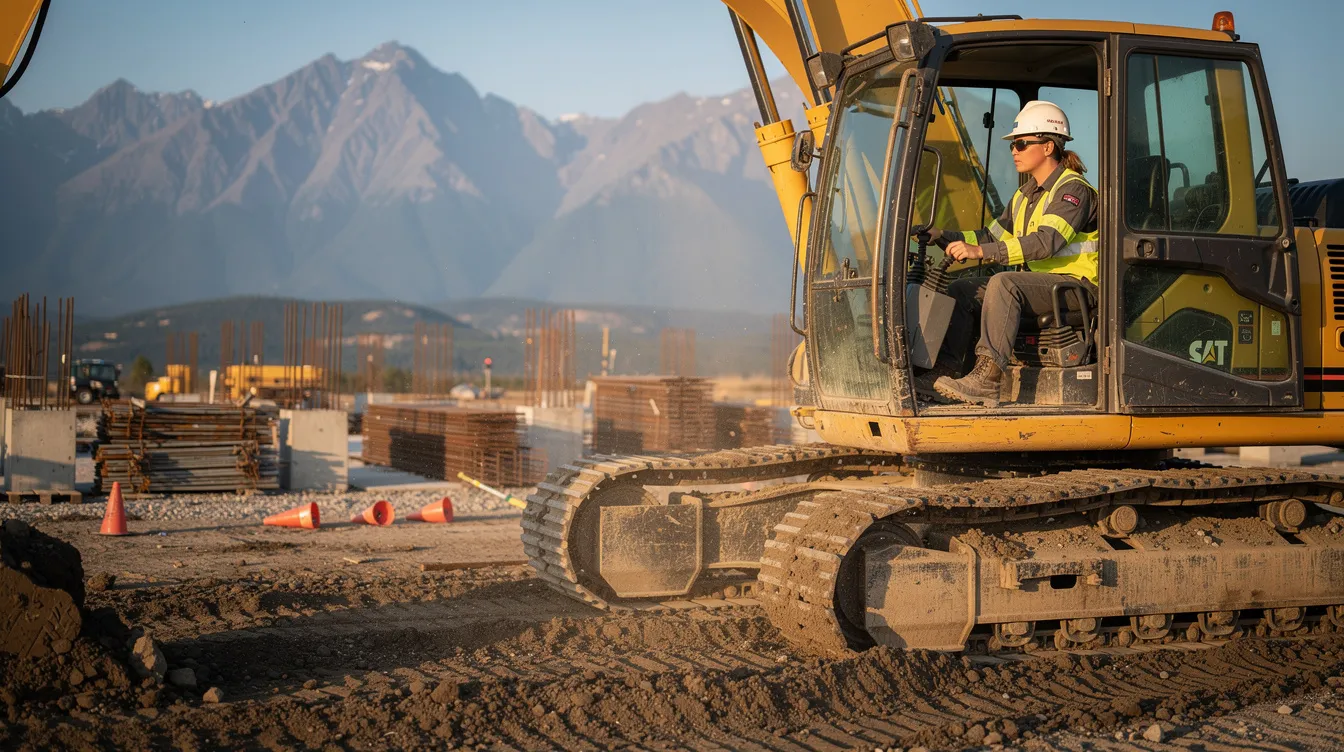
Women accounted for about 4.3% of construction trade workers in the U.S. in 2025. Only 11.5% of construction payroll employees are women when counting all roles, including office and management positions. In hands-on craft work, the share drops further: Colorado data shows roughly 4,000 women in field craft or extraction roles out of approximately 138,000 total, a rate near 3%. Wyoming does not publish detailed gender breakdowns by craft occupation, but historical data confirms that women remain a small fraction of NAICS 23 construction employment statewide.
The trend line, however, is moving. The number of women in construction increased by over 50% nationally in 10 years. Alaska has the highest percentage of women in construction at 14.9%, proving that cold-weather, remote-project states can outperform the national average when pipelines and culture align. Companies with over 30% women executives outperform those with 10-30% in broader business metrics, and diverse teams enhance problem-solving and innovation in construction, improving safety communication and on-site decision-making.
For Rocky Mountain contractors, the business math is simple: underrepresentation means firms are competing over the same narrow slice of construction workers instead of expanding the talent pool. Every percentage point of female participation gained translates into real bodies on real projects.
Not all markets or roles offer the same near-term opportunity to add women. Skilled trades offer competitive starting pay and pathways to high salaries; California’s median hourly wage for electricians, for example, reaches $66.03, and Colorado electrical and mechanical trades track closely behind in high-demand metro markets. Women in construction can pursue various trades and roles, and some entry points are faster than others.
Denver and the Front Range concentrate the highest project density: data centers, health care expansions, and transportation infrastructure are amplifying demand for electricians, low-voltage installers, and mechanical trades. These roles reward structured training and precision, and women who enter through NCCER-aligned apprenticeship programs build measurable skills from day one.
Northern Colorado and Colorado Springs are growth corridors for civil, utility, and highway construction. Women can enter through flagging, equipment operation, and entry-level craft roles with hands-on training, then progress into registered apprenticeship program tracks. Wyoming’s context is different: a smaller population but large energy, pipeline, wind farm, and federal projects that need reliable electricians, mechanics, and industrial construction workers. Women are filling vital skills gaps in trades like plumbing, electrical, and carpentry work, and they can help stabilize the labor pool in communities affected by boom-bust cycles.
Apprenticeships, pre-apprenticeship pipelines, and pathway jobs such as laborer-to-apprentice tracks are the easiest on-ramps for women right now. Paid apprenticeships allow workers to earn money while they learn instead of accumulating college debt, removing a barrier that keeps many career changers out of construction altogether.
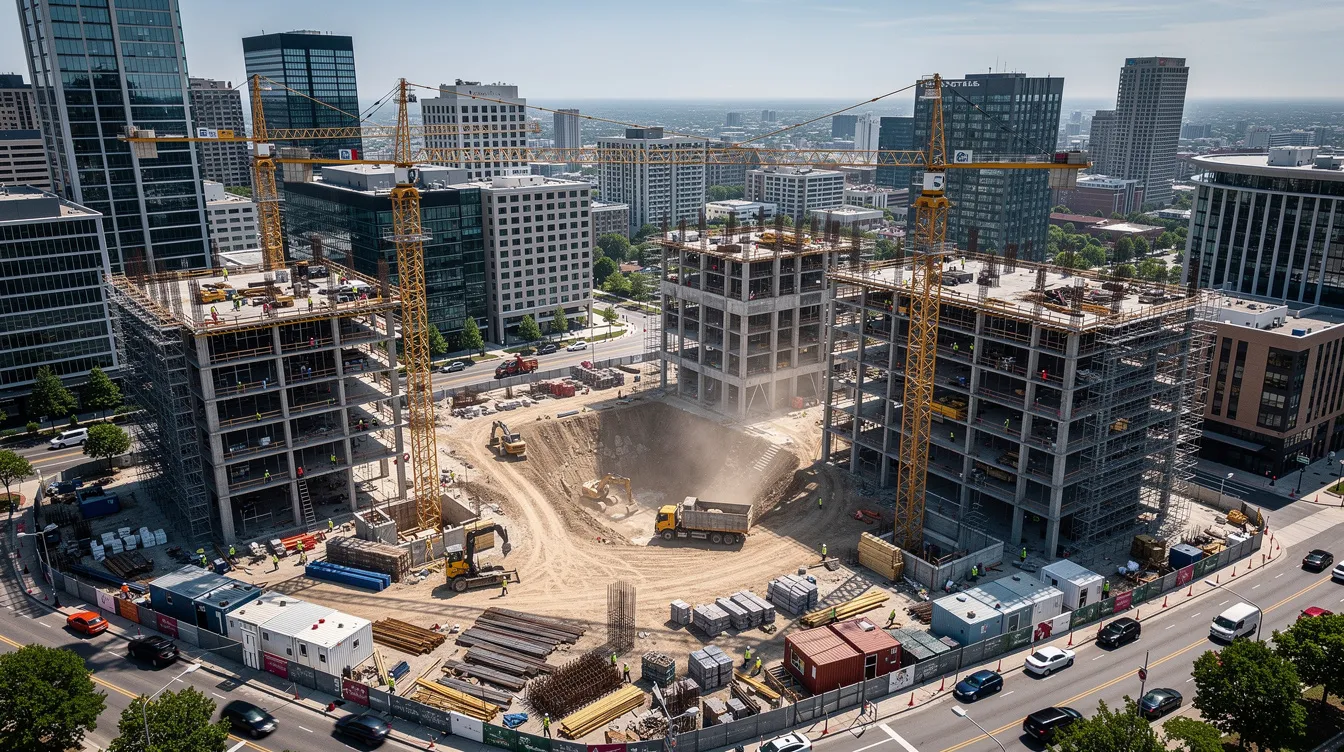
Each barrier below translates into turnover, rework, and schedule disruption for construction companies. The costs are real, even when the causes are invisible to leadership.
Recruitment barriers start early. Limited awareness of diverse career paths in high schools and educational institutions, outdated stereotypes about physical labor, and a near-total absence of visible women role models on job sites suppress the pipeline before it starts. Students who never see a woman in a hard hat rarely consider the trades.
Jobsite culture issues persist once women arrive. In national surveys, 88% of women in construction reported experiencing sexual harassment. In a single year, 41% of female construction workers faced gender harassment. Isolation compounds the problem: being the “only one” on a crew, receiving fewer high-responsibility assignments despite competence, and encountering managers who lack inclusion training all push women toward the exit.
Practical retention challenges layer on top. Among women in the construction industry, 69.3% struggle to find childcare support compatible with early-morning starts, long commutes, and unpredictable overtime. Inadequate pregnancy or light-duty policies, inconsistent access to clean restrooms, and PPE (harnesses, gloves, fall protection) that does not fit smaller body sizes create daily friction. Women in skilled trades face cultural and structural hurdles such as gender bias and a lack of properly fitting gear; each is a solvable management and planning problem, not an inevitable feature of construction work.
The systems answer to the labor shortage and gender imbalance is a repeatable skilled trades apprenticeship pipeline that intentionally includes women while preserving merit-based standards. Building one requires partnerships with high schools, community colleges, veterans’ groups, and local organizations in Denver, the Front Range, Northern Colorado, Colorado Springs, and key Wyoming communities to introduce young women and career changers to construction roles.
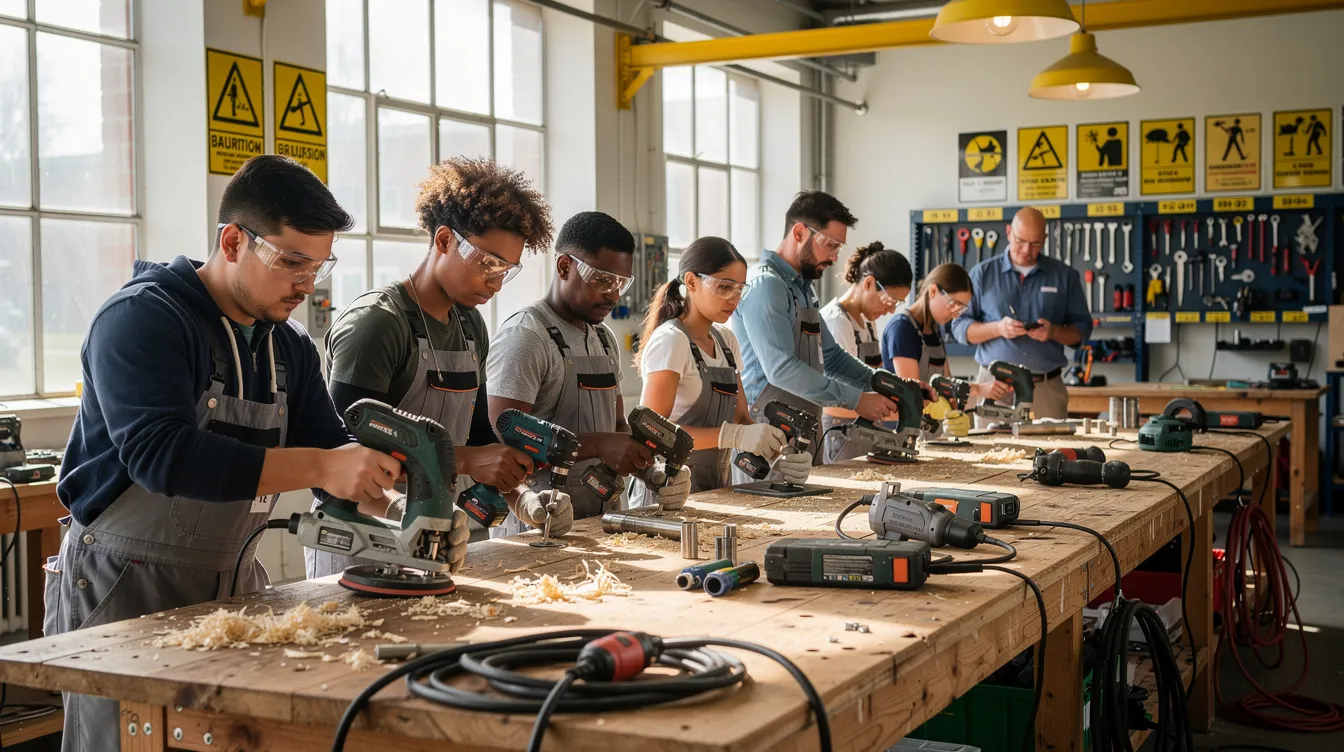
Contractors who coordinate with NCCER-aligned training providers like the Construction Industry Training Council (CITC) and the Wyoming Electrical Apprenticeship Education Program gain access to credentialed, structured career paths that produce skilled workers over three to five years. Pre-apprenticeship or bootcamp-style hands-on training, typically six to twelve weeks of shop labs, safety basics, and tool use with hand and power tools, gives women a low-risk trial before committing to a multi-year program.
Federal and community programs aim to recruit and retain women in nontraditional occupations; the WANTO grant program awarded $6 million in 2024 to support exactly this kind of pipeline work. WinC provides essential job skills for nontraditional workplaces, and California’s Women in Construction Program supports women’s apprenticeship participation as a model that other states can adapt. The Million Women in Construction initiative aims to double women’s numbers by 2030, creating national momentum that Rocky Mountain contractors can ride locally. Women in Construction has been recognized as a best practice model for states building new pipelines.
Firms should standardize entry criteria, evaluations, and advancement steps so that women apprentices see a clear path from helper to journey-level craftsperson to foreman or superintendent, reinforcing merit shop principles at every stage.
What improves safety for women improves safety for every worker. Companies with lower incident rates consistently report stronger cultures of respect, clearer communication, and better hazard reporting, all outcomes that correlate with gender-diverse crews.
Practical steps start before the first shift:
Anti-harassment policies must be explained during orientation and toolbox talks, with clear reporting channels and consequences. Enforcing these policies is a supervisor’s responsibility at the site level, not a function buried in an HR office 50 miles away.
Superintendents set the tone on day one: every crew member, regardless of gender, gets the right tools, proper instruction, and fair access to hours and complex tasks based on skill and safety performance, not informal favoritism.
Retention and leadership development hinge on showing women a visible career path. When that path is unclear, turnover spikes and the pipeline investment is lost. Mentorship programs are crucial for supporting women in trades by addressing isolation and barriers that cause early exits.
Simple mentorship pairings between experienced journey-level workers and newer women apprentices, with clear expectations for regular check-ins during the first six to twelve months, cost almost nothing and produce measurable retention gains. Successful women in trades often become mentors themselves, improving industry representation and creating a self-reinforcing cycle.
Example career ladders for field roles in Rockies commercial and industrial construction:
| Field Track | Management Track |
|---|---|
| Laborer | Project Engineer |
| Apprentice | Assistant PM |
| Journeyman | Project Manager |
| Foreman | Senior PM |
| Superintendent | Operations Director |
| General Superintendent | VP of Operations |
Contractors should highlight women construction workers and supervisors in company newsletters, social media, and recruiting materials. Connecting emerging tradeswomen to ABC Rocky Mountain’s Young Professionals network and relevant committees expands their industry relationships, networking opportunities, and leadership skills.
Construction recruiting must look different when the goal is to expand into new talent pools, not just hiring from the same networks. Old habits no longer work in a structural labor shortage.
Revise job postings and career-site language to remove unnecessary physical requirements, jargon, or tone that deters qualified women. A posting that requires a valid driver’s license, a high school diploma, and willingness to complete safety training is more accurate and more effective than one loaded with vague toughness language. Focus on competencies, training provided, and safety culture.
Outreach tactics that produce results:
Inclusive onboarding for a woman apprentice on her first day includes a clear explanation of expectations, introduction to her mentor, fit-testing of PPE, review of harassment and safety policies, and a walkthrough of facilities and procedures. That onboarding sets the standard for every employee, not just women.
Schedule, compensation, and policy design drive retention as much as culture does. Companies that treat benefits and scheduling as fixed constraints lose employees to employers who treat them as tools.
Evaluate start times, overtime practices, and travel expectations to find where modest flexibility (predictable shifts, occasional schedule swaps, or job site clustering) makes field roles more sustainable for parents and caregivers, including many women. Women now earn 98.7% of what men make in construction management, demonstrating that wage parity already exists when advancement is based on certifications and hours worked; transparent pay bands sustain engagement across the workforce.
Pregnancy and return-to-work policies need concrete answers: light-duty assignments, temporary reallocation to prefabrication shops or office-based coordination roles, and clear communication so field teams understand expectations and safety boundaries. Without these, women with the skills to lead crews leave the construction industry entirely.
Smaller construction companies can leverage ABC Rocky Mountain resources such as the Insurance Trust, Retirement Services, and the contractor business support center to design benefits packages that help them compete for long-term talent without breaking the budget.
ABC Rocky Mountain is positioned as a practical partner for contractors who want to build an inclusive, performance-driven construction workforce across Colorado and Wyoming. CITC provides NCCER-accredited apprenticeship and craft training in carpentry, electrical, plumbing, sheet metal, pipefitting, sprinkler fitting, and other trades. These programs create the pipeline that brings more women into high-wage craft careers with structured, merit-based advancement.
The Wyoming Electrical Apprenticeship Education Program serves as a key pathway for women interested in electrical careers tied to Wyoming’s energy and federal sectors. ConstructionU and United Academy courses support leadership development, project management, and safety skills for emerging women leaders moving beyond field-entry positions.
Contractors should engage with STEP, the Safety Peer Group, Young Professionals, and ABC Rocky Mountain committees as community and learning platforms where women and their employers build networks and influence job site culture from the inside.
The contractors who act first will staff new projects their competitors cannot. Here are concrete actions for the next 90 days:
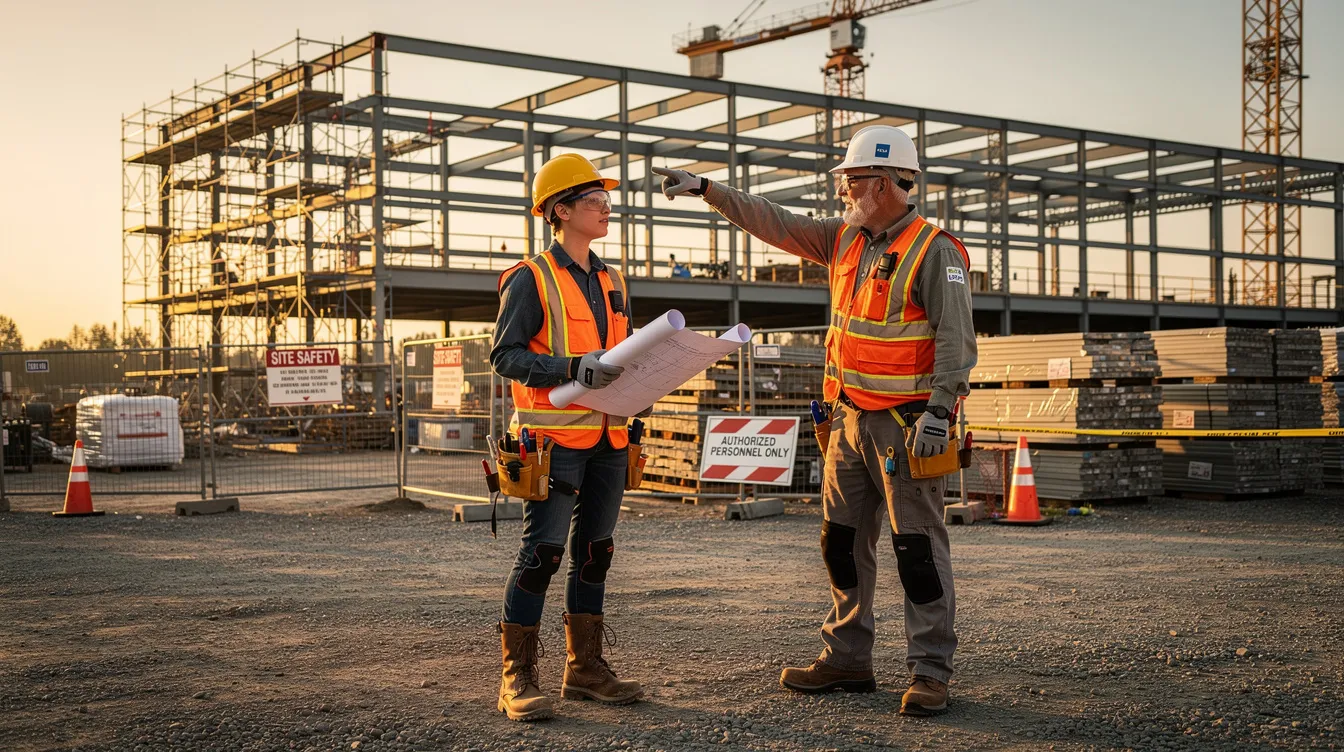
These FAQs address practical questions from Rocky Mountain construction leaders that go beyond the strategies outlined above.
Designate one operations-minded leader to own recruiting and update job descriptions to emphasize training and safety. ABC Rocky Mountain’s resources cover apprenticeship enrollment and sample policies, so smaller firms do not have to build from scratch. Start with simple steps: ask current employees for referrals, show up at one or two local school or community events each quarter, and ensure the first woman hire gets a designated mentor and properly fitting PPE from day one.
While women can succeed in any craft, contractors in Colorado and Wyoming often see earlier success in electrical, low-voltage, carpentry, and finishing trades, as well as equipment operation where training is structured and safety culture is strong. Local apprenticeship and pre-apprenticeship programs let candidates test interest and aptitude across several trades before committing to a single path.
A merit shop approach means standards stay the same for everyone. The change is in how broadly and effectively companies recruit and support people to meet those standards. Consistent performance expectations, transparent training requirements, and visible examples of women succeeding in demanding roles prove that inclusion strengthens crew quality rather than diluting it.
Remote projects require extra planning: offer travel stipends or housing support, bundle rotations to reduce commute burden, and coordinate with local workforce centers or schools to tap nearby talent, including women. When relocation is necessary, communicate clearly about schedule, housing, and safety conditions, and pair newer workers with experienced mentors to ease the transition.
Review ABC Rocky Mountain’s education and apprenticeship pages, then schedule a conversation with chapter staff to discuss your current workforce profile, project mix, and interest in construction apprenticeship programs for women. From there, ABC Rocky Mountain can help design a phased plan that integrates training, safety, and culture initiatives and connects your company with the right local partners across Colorado and Wyoming.


