


The Rocky Mountain construction market in mid-2026 sits at an inflection point. Materials prices have stopped spiking month to month, but they remain locked at historically elevated levels. For contractors bidding work across Colorado and Wyoming, the question is no longer “how fast are costs rising?” but “how do we protect margins in a market that refuses to get cheaper?”
The Rocky Mountain construction market in 2026 is defined by several factors: relatively stable national materials indices alongside continued cost pressure on metals, electrical gear, and concrete. Persistent labor shortages in Colorado and Wyoming compound these forces. The construction industry faces escalating costs due to inflation and supply chain issues, and the region is experiencing high construction costs and interest rates that affect both project financing and bid economics. Market growth is shifting toward infrastructure, multifamily housing, and specialized projects such as data centers, while residential construction is recalibrating amid high mortgage rates and affordability ceilings.
Denver and the Front Range are seeing competitive bidding with cost escalation running higher than in many U.S. markets. Wyoming’s construction industry is growing from a smaller base, with strong demand in heavy and civil engineering. What should contractors change in their next bids? Tighter pricing-validity windows (30 to 45 days on metal-intensive scopes), more deliberate escalation language, selective contingencies calibrated to trade and duration, and earlier buyout on high-risk materials and equipment. Labor shortages and uneven construction employment trends across the region remain a bigger long-term risk than a single quarter of materials prices being “flat.” The rest of this article converts that data into a practical action plan for estimators, project managers, and executives bidding work in Denver, the Front Range, Northern Colorado, Colorado Springs, and Wyoming.
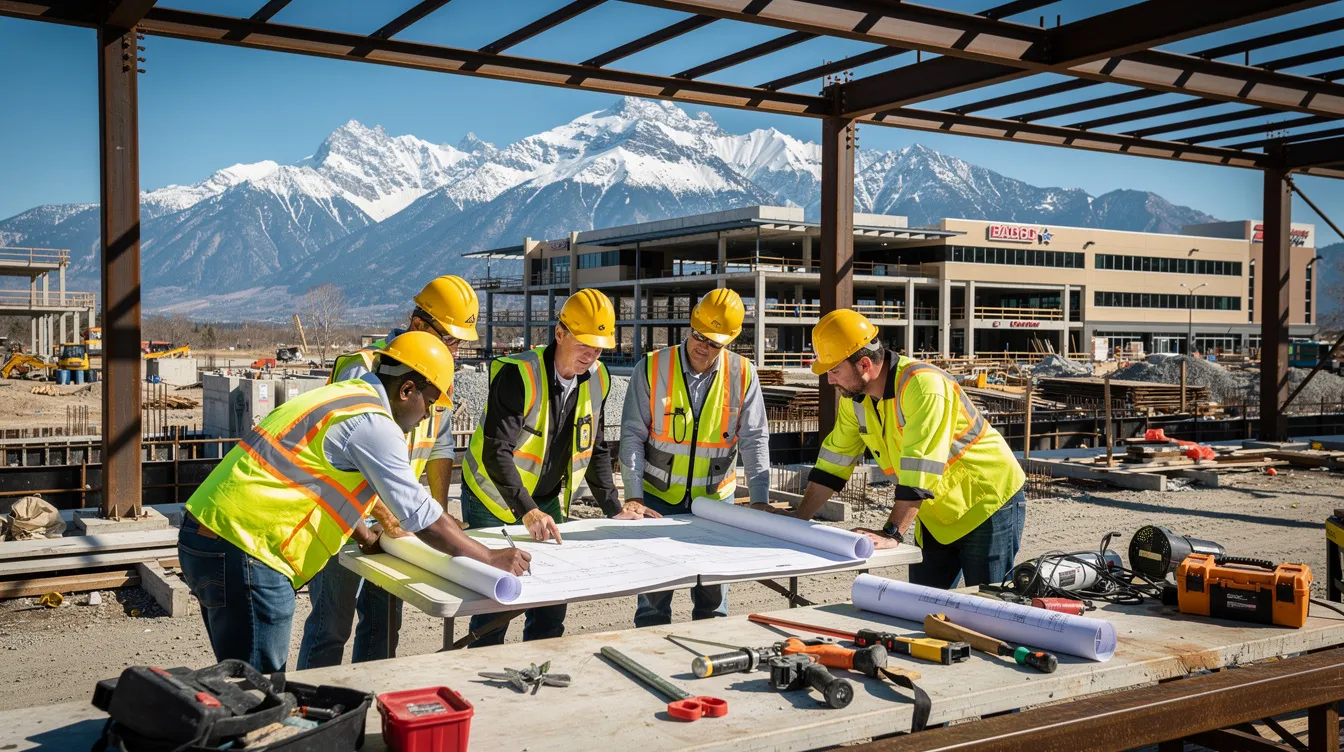
The current state of the Rocky Mountain construction market in mid-2026 is best described as stable but expensive. ABC National’s recent articles on construction materials prices show that overall construction input prices rose about 7.4 percent year over year, while month-to-month figures in June and July flattened or declined slightly due to falling oil prices. That monthly softening does not signal a return to pre-pandemic baselines. Core inputs like steel, copper, and electrical equipment remain elevated, and material cost volatility and tariffs are straining preconstruction budgets across the sector.
Construction starts in March 2026 rose by 13 percent compared with previous months, reflecting continued pipeline activity. Data centers represent a growth pocket driven by AI and cloud computing; data center spending is projected to grow in 2026, reflecting strong demand from technology companies expanding in neighboring states and across the Intermountain West. Healthcare and institutional construction continues at a steady pace across urban hubs in Denver, Colorado Springs, and Northern Colorado. Public infrastructure investments remain essential for heavy civil construction projects, especially federally funded highway and transportation work. Yet forecasts indicate nonresidential building spending may decline slightly in 2026 in aggregate, and the construction market in the Rocky Mountain region shows uneven sector-driven growth rather than broad-based acceleration. Climate and geography make construction projects more expensive and technically challenging in mountainous and high-altitude locations, adding layers of cost that national indices do not capture.
Three pressures define the period ahead:
ABC National’s most recent data shows overall nonresidential construction input prices up about 7.4 percent year over year, with month-to-month readings essentially flat. Earlier in 2026, copper wire and cable was up 24.2 percent year over year, and crude petroleum was up 78.2 percent, though energy inputs have since retreated. Construction input costs in Denver rose by 2.44 percent in Q1 2026 over the prior quarter and 10.37 percent over the prior twelve months, according to the Mortenson Cost Index. Steel prices remain a primary driver of rising costs in Denver, and aluminum entrances in Denver saw a 15.4 percent price increase. Labor costs increased by 6.6 percent nationally over the past year, compounding the pressure. High material costs, combined with labor inflation, create challenges for project budgeting across all scopes.
Material categories most relevant to Rocky Mountain commercial and industrial work:
“Flat this month, higher than last year” means less need for panic-level contingencies but no permission to assume costs are returning to 2019 levels. Estimators should treat recent trends as a plateau rather than a decline.
National numbers guide trend direction, but Colorado and Wyoming contractors must still price based on local supplier quotes, freight costs into the Denver metro area and the Front Range, and the smaller supplier base serving Wyoming. A national index showing stability can mask a 10-15% regional premium for specific materials when local demand and logistics are factored in.
These input-cost patterns flow directly into bid strategy, markups, and escalation clauses for 2026 work.
Estimators across Colorado and Wyoming should treat this period as an opportunity to sharpen bid discipline rather than relax it. Prices are not falling; they are resting at elevated levels with the potential for tariff-driven spikes.
Contractors are increasingly using design-build delivery and prefab construction methods to compress schedules and reduce field labor exposure. Regulatory hurdles can alter project timelines, encouraging efficiency upgrades in preconstruction planning. Local utility capacity and grid readiness are limiting factors for large projects, especially data centers and manufacturing facilities that require extensive electrical infrastructure.
The Denver market experienced one of the larger quarterly cost increases among major U.S. metros in early 2026: roughly 2.44 percent in Q1 alone, per Mortenson’s cost index. Over twelve months, Denver nonresidential construction costs climbed 10.37 percent. In 2020, Colorado’s construction industry contributed $23.5 billion to state GDP, and the sector is projected to grow by 26 percent by 2030. Ongoing demographic shifts continue to draw residents to the Intermountain West, requiring new development across housing, commercial, and public infrastructure.
The demand mix driving this pressure includes:
For contractors, strong demand translates to tighter subcontractor capacity, shorter shelf life on quotes, and more aggressive schedule commitments required to win work. Specialty trade contractors in electrical, mechanical, and concrete trades are capacity-constrained along the corridor from Denver through Colorado Springs.
Front Range procurement strategies worth adopting now: advance steel packages into design phases rather than leaving them for late procurement; lock in switchgear and generators early; coordinate with owners on a phased buyout. The Construction Education Foundation of Colorado focuses on skilled trades training, feeding the pipeline of workers needed to sustain this growth.
Sub-market differences matter. Northern Colorado (Fort Collins, Greeley) is growing via spillover from Denver, but labor pools are thinner, and haul distances for major equipment are longer. Colorado Springs has a strong public-works backlog, but permitting timelines are slower, and owner sophistication around escalation clauses varies. Estimators should not apply Denver pricing assumptions uniformly across the Front Range.
Wyoming’s construction sector added 1,548 jobs in 2023, a 7.2 percent increase from the prior year. Heavy and civil engineering construction alone added over 1,400 of those jobs in Q4 2023. The sector contributed $59.9 million in wages in that same period. Wyoming’s construction employment is projected to grow 18.7 percent from 2022 to 2032, reflecting a sustained pipeline of energy, transportation, and federal infrastructure work.
What this means for commercial and industrial contractors bidding work in Cheyenne, Casper, and energy-oriented counties:
Longer distances between projects, smaller subcontractor pools, and competition from mining and other industries for the same workforce affect labor availability, per diem expectations, and scheduling compared with those in Colorado. Wyoming contractors, and Colorado firms pursuing Wyoming work, should pay particular attention to fuel costs, trucking availability, and local accommodation costs when setting contingencies and unit rates. A bid that works on paper in Denver may not survive the logistics of a remote Wyoming site.
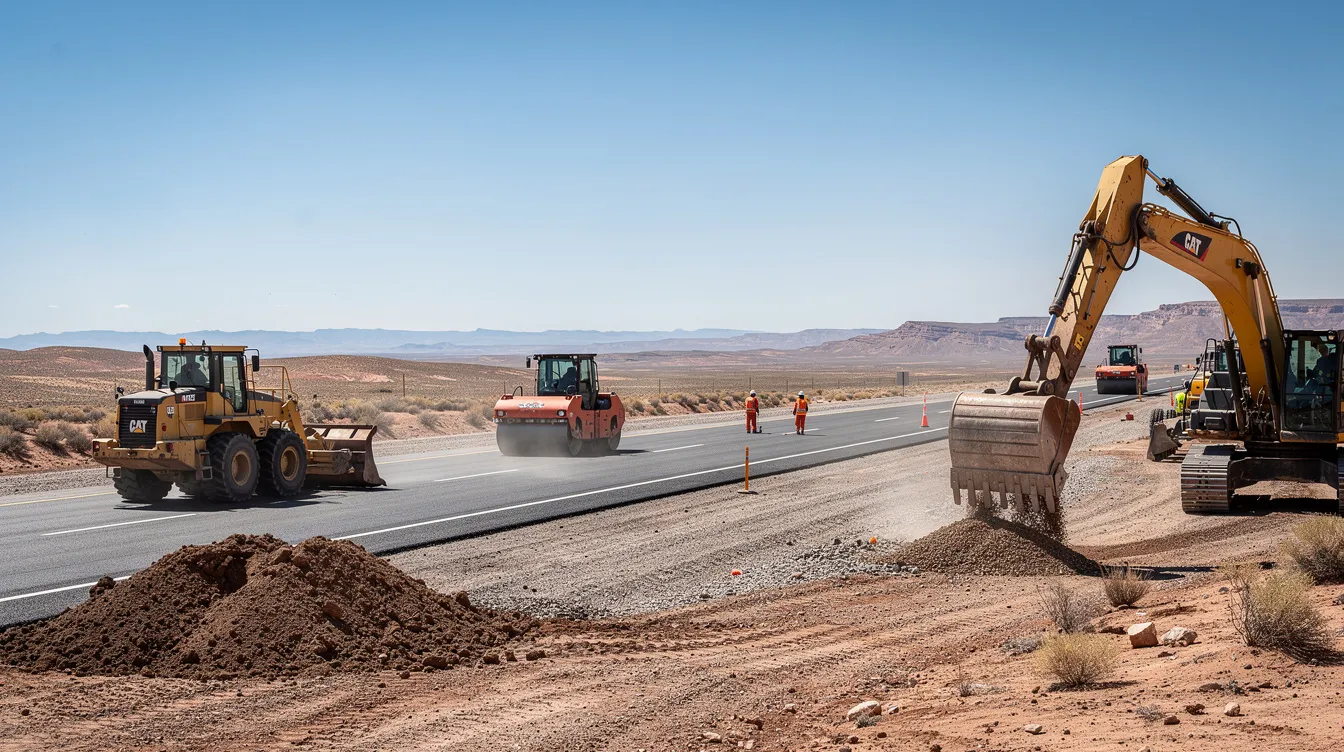
Colorado lost 4,300 construction jobs from April 2023 to April 2024, even as construction employment has since stabilized near 188,900 workers in mid-2026 with modest year-over-year growth of about 1.5 percent. Wyoming’s construction employment, by contrast, grew 7.2 percent from Q4 2022 to Q4 2023, though its base is much smaller at roughly 24,200 workers in mid-2026.
Declining headcounts in some Colorado metros do not mean labor is abundant. Skilled labor shortages remain a persistent challenge for contractors in the Rocky Mountains. Nationally, 91 percent of construction firms report difficulty finding qualified workers, and 77 percent cite a lack of qualified candidates as their primary challenge. In June 2024, 274,000 unfilled construction positions were recorded nationally. Severe labor constraints are compressing profit margins in the construction sector.
How persistent labor shortages connect to the current state of the Rocky Mountain construction market:
Apprenticeship programs train young people for construction trades and are a direct response to the workforce gap. CITC-style programs in Colorado cover various construction trades including electrical, plumbing, pipefitting, carpentry, sheet metal, and masonry. The Wyoming Electrical Apprenticeship Education Program addresses the acute shortage of electricians in that state. ABC Rocky Mountain’s STEP Safety Management System helps contractors manage the safety risks associated with overworked or inexperienced crews.
Backlog quality matters more than volume in a market where materials costs are stable but high and labor is tight. A large backlog filled with unprotected long-duration contracts is a liability, not an asset.
Project risk tiers for 2026 backlog planning:
Portfolio strategies to consider:
Monthly backlog review checklist for executives:
Contractors should monitor these indicators over the next 6 to 12 months:
Concrete steps contractors can take in the next 30 to 90 days:
Colorado’s economy continues to grow, and the sector is projected to expand by 26 percent by 2030. Wyoming’s construction employment is expected to grow 18.7 percent by 2032. The contractors who capture that growth profitably will be the ones who bid with discipline, protect margins with escalation language, and invest in the workforce and safety systems that sustain delivery.
Explore ABC Rocky Mountain’s Rocky Mountain Construction Outlook hub for updated price indices and tariff analysis. Connect with chapter staff about apprenticeship, safety, and procurement-risk training to turn these market conditions into a competitive advantage.

These questions address details that frequently come up in bid-strategy and market-outlook discussions with Colorado and Wyoming contractors.
In the current environment, estimators in Colorado and Wyoming should formally refresh key unit costs, labor rates, and contingencies at least quarterly. For active pursuits involving steel, electrical gear, or concrete, update after every major ABC National materials price release or notable supplier price change. Long-duration projects should build in a formal “estimate health check” at each design milestone, not just at bid submission.
“Reasonable” depends on the project type and the owner’s sophistication. Many contractors are using clauses that tie price adjustments to recognized indices (PPI metals, ABC input index) once costs move beyond a defined threshold, typically 5 to 10 percent above the bid-date baseline. Contractors should work with legal counsel and risk managers to standardize one or two escalation templates and test them with repeat owners rather than reinventing language for every job.
Smaller merit shop contractors should focus on niches where they can control risk: repeat tenant improvements, specialized trade packages, or smaller public works without heavy exposure to materials. Partnering selectively with trusted general contractors, demonstrating strong safety and schedule performance, and investing in workforce training through programs like CITC and STEP are competitive differentiators that matter to owners evaluating proposals in less time.
Wyoming’s construction industry has added jobs and wages, but the market is still relatively small and sensitive to a few large projects. Competition can be intense on marquee work and patchy elsewhere. Bidders should research local pipelines, factor in travel and housing costs, and avoid assuming that Wyoming automatically offers higher margins than crowded Colorado metros. The differences between the two states in labor availability, supplier depth, and logistics are real and affect every line item.
ABC Rocky Mountain’s Rocky Mountain Construction Outlook hub covers updated price indices, tariff analysis, and regional cost data. The chapter also publishes procurement risk management guidance for 2026 bids, commercial construction management resources for tight labor markets, and a construction employee retention playbook. Subscribing to the Rocky Mountain Construction Advocate newsletter, attending economic forecast events, and participating in chapter committees keeps contractors ahead of regulatory, labor, and materials shifts across Colorado and Wyoming.


