


Associated Builders and Contractors announced in March 2025 that it became the first building and construction trade association in the United States to earn national Recovery-Friendly Workplace certification. The White House later recognized this model during a National Recovery Month event in September 2026, calling for more recovery-friendly workplaces as a priority of the National Drug Control Strategy.
This article explains what recovery-friendly certification means for construction employers, how it differs from a standard drug-free workplace policy, and what the development means for construction executives operating across Colorado and Wyoming. The construction industry has high rates of workplace injuries and substance use disorders, and 93% of construction businesses face talent shortages affecting growth. Against that backdrop, a framework that connects safety, mental health, substance use support, and workforce stability deserves serious attention from contractors on the Front Range, in Northern Colorado, Colorado Springs, and across Wyoming.
This is a practical briefing written from ABC Rocky Mountain’s perspective for merit shop contractors, not a clinical guide or care initiative. The goal is to help you evaluate whether recovery-friendly practices fit your operations and where to start, not to provide clinical care.
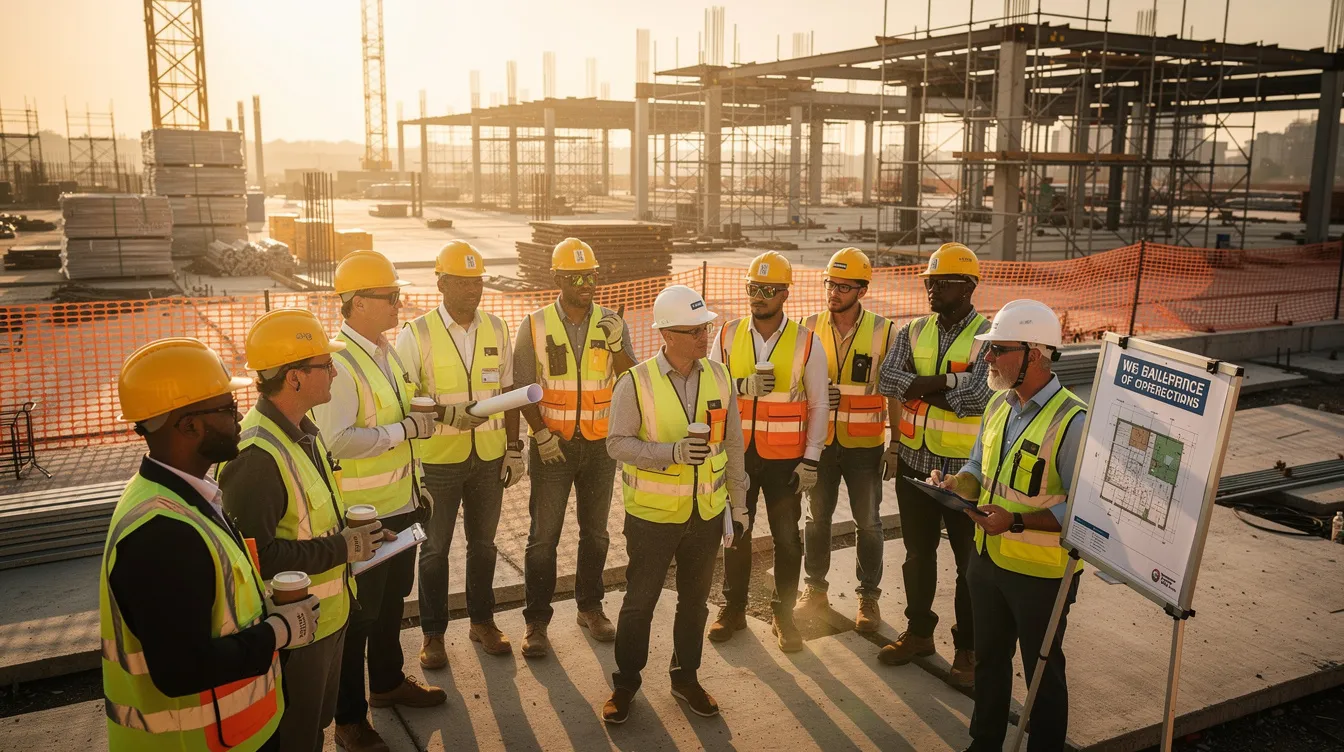
The National Recovery Friendly Workplace Institute defines a recovery-friendly workplace as one where the employer establishes and maintains policies, practices, and a culture supportive of current and prospective employees in recovery from, or otherwise affected by, substance use disorders. Recovery-friendly certification supports employees affected by substance use disorders by treating the condition as a health issue rather than a character flaw.
This is fundamentally different from a traditional drug-free workplace program. Drug-free policies emphasize compliance, testing, and discipline. Recovery-friendly models keep those safety-critical rules in place while adding layers of support: reducing stigma, providing access to treatment, and creating pathways back to productive employment after recovery. Certification programs may help organizations prioritize mental health and addiction treatment as part of overall workforce management.
In construction, these distinctions matter. Craft professionals, foremen, and project managers work under high physical stress, seasonal employment swings, and safety-sensitive conditions that elevate substance use risks. Construction workers rank job loss as a top stressor, and temporary work contributes to mental health challenges in construction. A recovery-friendly workplace aligns with what ABC calls “Total Human Health” thinking, where occupational safety, physical health, and mental well-being are treated as parts of one interconnected system rather than separate compliance boxes.
ABC announced its national Recovery Friendly Workplace certification on March 25, 2025, making it the first building and construction association in the country to achieve this credential. The certification, awarded through the National Recovery Friendly Workplace Institute, followed ABC’s participation in a September 2024 White House roundtable titled “Recovery in the Workplace: Investing to Build the Workforce of Tomorrow.” At that event, ABC committed to pursuing certification, incorporating recovery-friendly elements into its STEP Safety Management System, and encouraging its chapters and more than 23,000 member companies to pursue the same.
During National Recovery Month in September 2026, the White House hosted an event recognizing recovery-friendly workplace policies as a priority under the National Drug Control Strategy. Federal policymakers linked these policies to measurable business outcomes, saying recovery-friendly workplaces can strengthen the economy by increasing productivity and reducing turnover and health care costs. The framing was factual and bipartisan.
Certification helps construction companies demonstrate commitment to employee wellness in a way that goes beyond paperwork. This recognition does not impose new legal requirements on contractors, but it signals rising expectations about how employers address substance use and support recovery. For firms competing for workforce talent and project opportunities, that signal carries weight.
The National Recovery Friendly Workplace Institute serves as the certifying body. Four core pillars commonly define recovery-friendly certification requirements:
| Pillar | What It Requires | Construction Example |
|---|---|---|
| Culture | Non-punitive policies, visible leadership commitment, resource groups, non-alcoholic options at company functions | Senior leaders openly support recovery; toolbox talks include mental health topics; company events offer mocktails alongside other beverages |
| Hiring, Retention, and Advancement | Fair-chance hiring practices, accommodating return to work, equitable advancement | Job postings do not automatically disqualify applicants with a recovery history; modified assignments are available during transition back to full duty |
| Benefits | Health coverage for substance use disorder treatment following credible medical standards; parity with physical health conditions | Group health plans include addiction treatment; EAPs connect workers to counseling; network adequacy in rural areas is evaluated |
| Education and Awareness | Regular training for supervisors and employees on recognition, response, and resources | Field supervisors trained to recognize warning signs of substance misuse; mental health awareness posters on jobsites; peer support training |
The core pillar of culture promotes non-punitive policies and leadership commitment, creating a culture of care that reduces stigma around mental health in the workplace. The hiring, retention, and advancement pillar encourages fair-chance hiring practices so qualified candidates in recovery are not automatically excluded, and equitable advancement helps workers build long-term careers in construction. The benefits pillar ensures access to comprehensive health coverage for addiction treatment. The education and awareness pillar also includes training staff to recognize warning signs before a crisis escalates.
The certification process includes assessing current workplace practices and policies across these pillars. Recovery-friendly certification can facilitate better access to treatment resources by making referral pathways part of standard operating procedures. Certification is voluntary and performance-based, which aligns with merit shop philosophy and open competition.
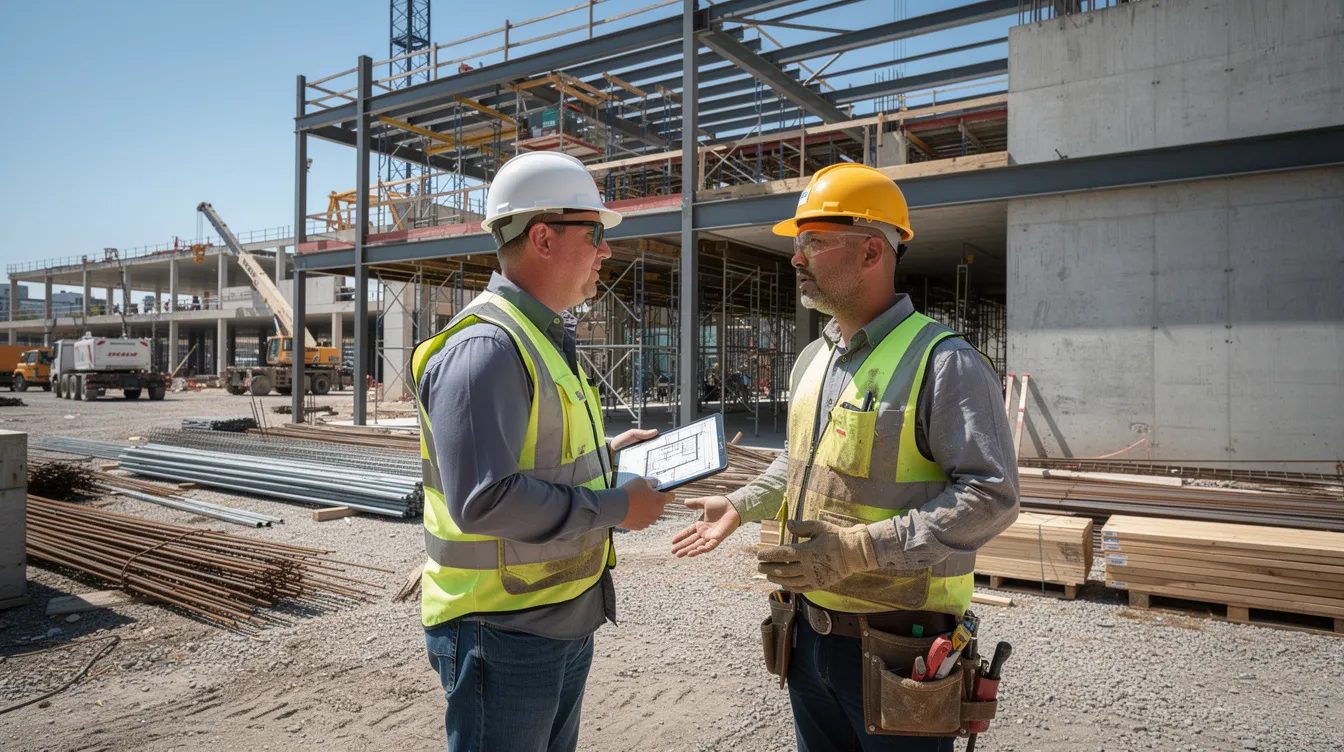
Most Colorado and Wyoming contractors already have a written drug- and alcohol-free workplace policy focused on compliance, testing, and discipline. That foundation is not going away. Recovery-friendly models keep safety-critical expectations and testing requirements intact, particularly for DOT-regulated roles and high-risk construction tasks.
What changes is the addition of proactive elements. Recovery-friendly practices include early education on substance use, clear referral paths to professional help, and supervisor training on how to respond when an employee asks for support. Workers are encouraged to seek help for mental health or substance issues without fear of automatic termination. The emphasis shifts from relying solely on punishment to providing access to treatment and return-to-work options after successful recovery.
Supportive workplace policies can reduce job site incidents and health-related costs. When workers know they can speak up before a safety incident occurs, the entire jobsite benefits. The distinction is not about lowering standards. It is about building a system where prevention, response, and recovery work together instead of operating as separate tracks.
For contractors based in Denver, the Front Range, Northern Colorado, Colorado Springs, and communities across Wyoming, this development intersects with workforce realities that are already shaping business decisions.
Recovery-friendly workplaces can improve recruitment and retention by attracting skilled workers who might otherwise avoid employers with zero-tolerance-only policies. Work-related stressors significantly impact construction worker well-being, and the industry’s persistent labor shortages make every experienced craft professional harder to replace. To put the broader workforce challenge in perspective, 40% of New York construction workers will retire within two years, reflecting aging demographics across the industry.
On multi-employer jobsites, recovery-friendly practices contribute to risk management by reducing the potential for incidents related to impairment and by improving trust in safety reporting. Public and federal project owners are increasingly attentive to contractor safety culture, mental health support, and worker well-being. Recovery-friendly practices can differentiate proposals and interviews for clients who evaluate more than price.
Even if your company does not pursue formal certification immediately, each pillar translates into specific practices worth considering.
Workplace culture: Start with visible leadership commitment. Integrate mental health and substance use topics into regular safety meetings, and align these conversations with existing safety programs such as the STEP Safety Management System. A sense of belonging on a crew matters more than most leaders realize.
Hiring, retention, and advancement: Review job postings, background check practices, and promotion criteria. Ensure they do not automatically exclude qualified candidates in recovery and that they reward safe, recovery-supportive behavior. Non-financial benefits can improve retention in skilled trades, and a clear path to advancement builds loyalty among participants who invest effort in their own recovery.
Benefits and supports: Inventory current health coverage, employee assistance programs, and member assistance resources. Check whether they include substance use disorder treatment, counseling, and family support. Access to these resources should not be a mystery that workers need to decode on their own.
Education and awareness: Propose regular training for field supervisors, HR staff, and project leaders. The training should cover recognizing signs of distress, having supportive conversations, and knowing when to elevate concerns. This professional development investment pays off through fewer incidents and stronger team communication.
Colorado and Wyoming contractors can use this checklist to assess how close they are to a recovery-friendly workplace model.
Documents and policies:
Training and education:
Culture and communication:
Benefits and resources:
Recovery-friendly workplace approaches should not sit in isolation. They work best when integrated with overall safety culture, mental health initiatives, and workforce development plans.
Adding recovery-friendly elements can strengthen existing safety initiatives, including programs like the STEP Safety Management System and other safety leadership efforts that ABC Rocky Mountain promotes. Building a strong employer brand attracts top talent, and investing in safety and skills boosts employee retention rates. When workers see that an organization genuinely supports their well-being, they are more likely to stay, contribute, and advocate for the company among peers in the community.
Supporting workers through recovery also protects invested training dollars. Apprenticeship and upskilling programs represent significant investment in each individual; losing that investment to turnover driven by untreated substance use or mental health challenges is a cost that rarely appears on a balance sheet but affects profitability directly. Recovery-friendly practices represent an investment in the people who deliver your projects.
In construction, foremen and superintendents determine whether recovery-friendly policies work in practice. They control day-to-day communication, set the tone for jobsite culture, and are often the first leaders a struggling worker will approach.
Key expectations for field leaders include:
Recovery-friendly topics belong in leadership development courses, foreman training, and project management education. Supervisors who feel prepared, not exposed, will communicate more effectively and advocate for their teams. Without that training, even the best written policy stays in a binder on a shelf.
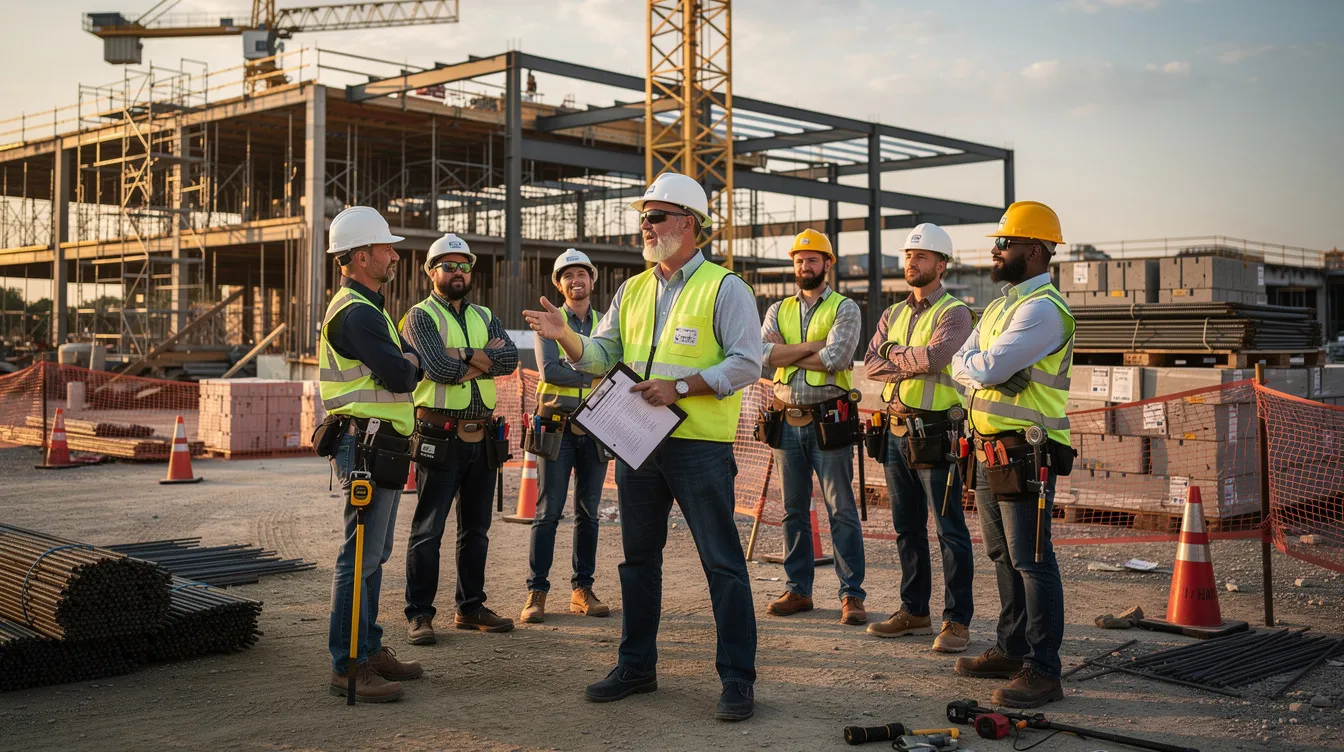
ABC Rocky Mountain is positioned to help members understand ABC National’s recovery-friendly workplace certification framework and consider how it fits into their safety and workforce strategies. Members already engaged in safety leadership programs, such as the STEP Safety Management System and safety peer groups, have a strong platform for adding recovery-friendly elements focused on mental health and substance use education.
The chapter promotes apprenticeship, professional development, and safety training that support total worker well-being. Adding recovery-focused content can naturally extend existing collaboration among safety, HR, and field leadership teams. Contractors interested in learning more should contact ABC Rocky Mountain for information about upcoming safety and workforce programs and explore chapter resources on drug- and alcohol-free workplaces, mental health awareness, and construction safety leadership.
ABC’s recovery-friendly workplace certification and White House recognition signal a national shift toward integrating recovery support into mainstream workplace expectations. For Colorado and Wyoming contractors, this decision affects safety, mental health, substance use risks, and long-term employee retention in a construction industry where demand for talent far outpaces supply.
Take one concrete next step: schedule an internal meeting among executives, HR, safety, and key field leaders to review current policies against recovery-friendly pillars. Identify two or three practical improvements. That conversation alone can change the trajectory of your safety culture and your ability to attract and keep the workers who build your business.
Recovery-friendly practices help construction companies build safer, more resilient teams and deliver projects more reliably across the Rocky Mountain region. The question is not whether this matters. It is whether your organization moves now or waits until the workforce decides for you.
Below are answers to common questions about this topic.
Recovery-friendly certification does not eliminate or override safety-sensitive drug-testing programs, especially for DOT-regulated roles or high-risk construction tasks. Most employers maintain testing where required or appropriate while adding clearer pathways to treatment, recovery, and return-to-work options when feasible. Contractors should consult legal counsel and relevant regulators in Colorado and Wyoming before modifying any testing policies.
Yes. Small and mid-sized subcontractors can adopt many recovery-friendly elements, including education, supervisor training, and clearer referral pathways, without immediately applying for formal certification. Starting with a simple policy review and one or two focused training sessions keeps the effort manageable. Aligning informally with the certification pillars can still support safety, mental health, and employee retention across your company.
Safety remains the first priority. Impairment on the job still requires immediate action to protect workers, clients, and the public. Recovery-friendly models encourage employers to distinguish between addressing immediate safety concerns and longer-term decisions about employment status and access to treatment. Companies should develop clear, written procedures that balance safety, accountability, and opportunities for recovery, then communicate these procedures to all employees.
Certification programs typically involve application fees, staff time for documentation, and investments in training or benefit enhancements. Contractors should weigh these costs against potential benefits, including lower turnover, fewer impairment-related accidents, and stronger workforce loyalty that improves profits over time. Early steps such as policy reviews and supervisor education are foundational investments whether or not you pursue formal certification immediately.
Firms that work across Colorado, Wyoming, and other states should start with a consistent corporate policy framework that applies to all employees, then adjust details to meet jurisdiction-specific legal requirements. Use standard training modules and communication tools so project teams on different jobsites receive the same core messages about mental health, substance use, and recovery support. Assign a cross-functional leader or committee to oversee the process, monitor feedback from the field, and keep practices aligned with both safety and HR priorities.


