


Across Colorado and Wyoming, construction crews are often spread across multiple jobsites, floors, buildings, utility corridors, and travel routes. A superintendent may have workers on separate levels of a Denver high-rise, a service technician headed into a mountain location, and a surveyor working along a rural roadway. Headcount alone does not eliminate lone-worker exposure. In practice, lone-worker safety is a normal operating issue construction leaders must manage on many projects.
OSHA states that it has no general standard covering employees working alone, except in certain specific situations. NIOSH, meanwhile, defines lone work as a potentially hazardous condition when a worker cannot be seen or heard by another worker, and assistance is not readily available. That combination matters in construction because the same tasks that are already hazardous can become much more dangerous when an injury, exposure, or medical event goes undiscovered for too long. This article explains what counts as lone work on construction projects, where the risks show up, and what Colorado and Wyoming contractors should put in place now.
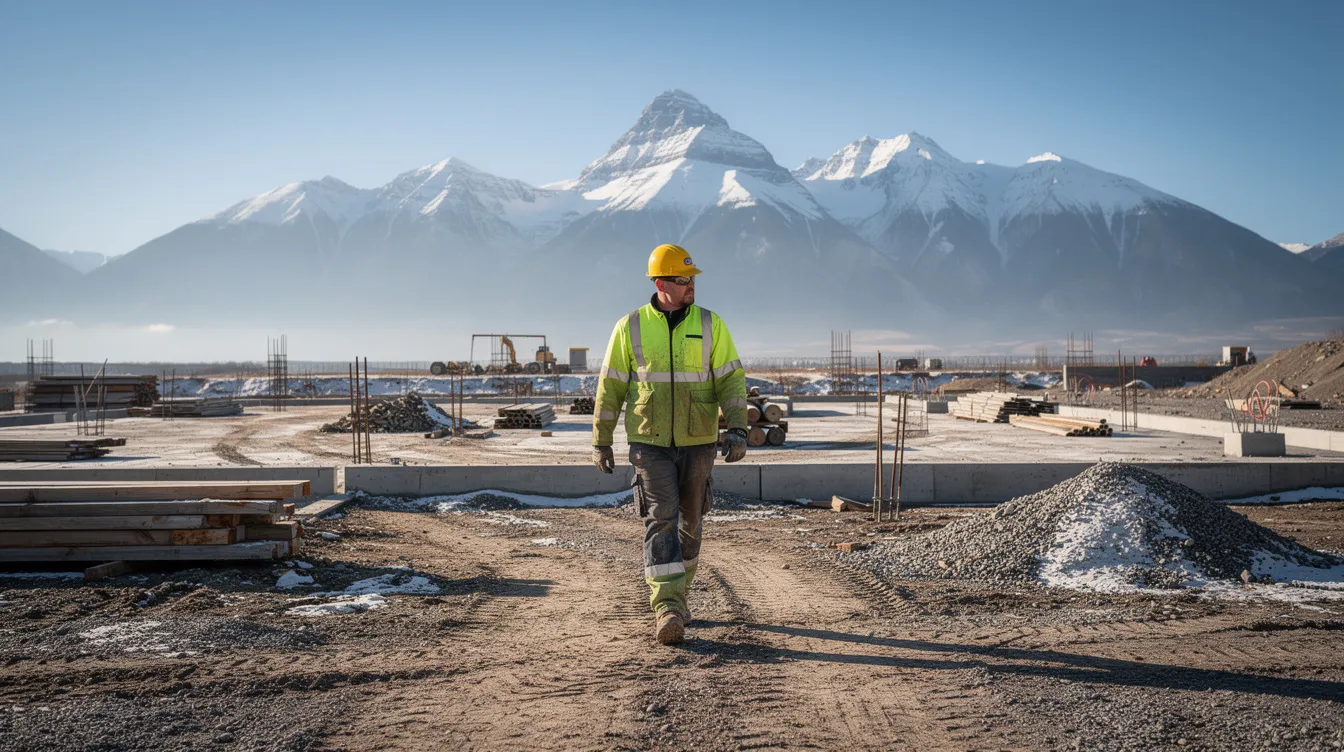
NIOSH describes lone work as a potentially hazardous condition that exists when an individual cannot be seen or heard by another worker, and help is not readily available. NIOSH also notes that lone workers are found in every major U.S. industry and that construction sites can be mobile worksites where lone work occurs. The practical takeaway for contractors is simple: a person does not have to be the only individual on the property to be working alone.
That means lone-worker exposure can exist when someone is in a stair tower, mechanical room, remote laydown yard, rooftop area, isolated unit, or off-site travel route without normal line of sight, hearing range, or rapid assistance. Common examples include:
Supervisors should identify these situations during pre-task planning rather than assuming lone work only applies to remote wilderness assignments or overnight security roles.
The underlying hazards do not change when a worker is alone. Falls, struck-by incidents, contact with energized parts, trench hazards, vehicle incidents, and medical emergencies are already serious construction risks. What changes is the delay between the event and the response.
That delay can turn a survivable incident into a much more serious one. A worker who falls in an isolated area may not be discovered quickly. A technician overcome by fumes or carbon monoxide in an enclosed space may be unable to call for help. A diabetic episode, cardiac event, heat illness, cold stress event, or severe allergic reaction becomes more dangerous when no one is nearby to recognize the problem and escalate immediately.
This is especially important on dispersed jobsites and travel-heavy operations. A worker may be in a rural location, on a remote utility or infrastructure assignment, or simply separated from the rest of the crew by distance, building layout, noise, or schedule. Night work and off-hours tasks can further increase the risk because fewer people are present to notice that something has gone wrong.
For lone workers, the key hazard is not only the task itself. It is the realistic time to discover, communicate, and care.
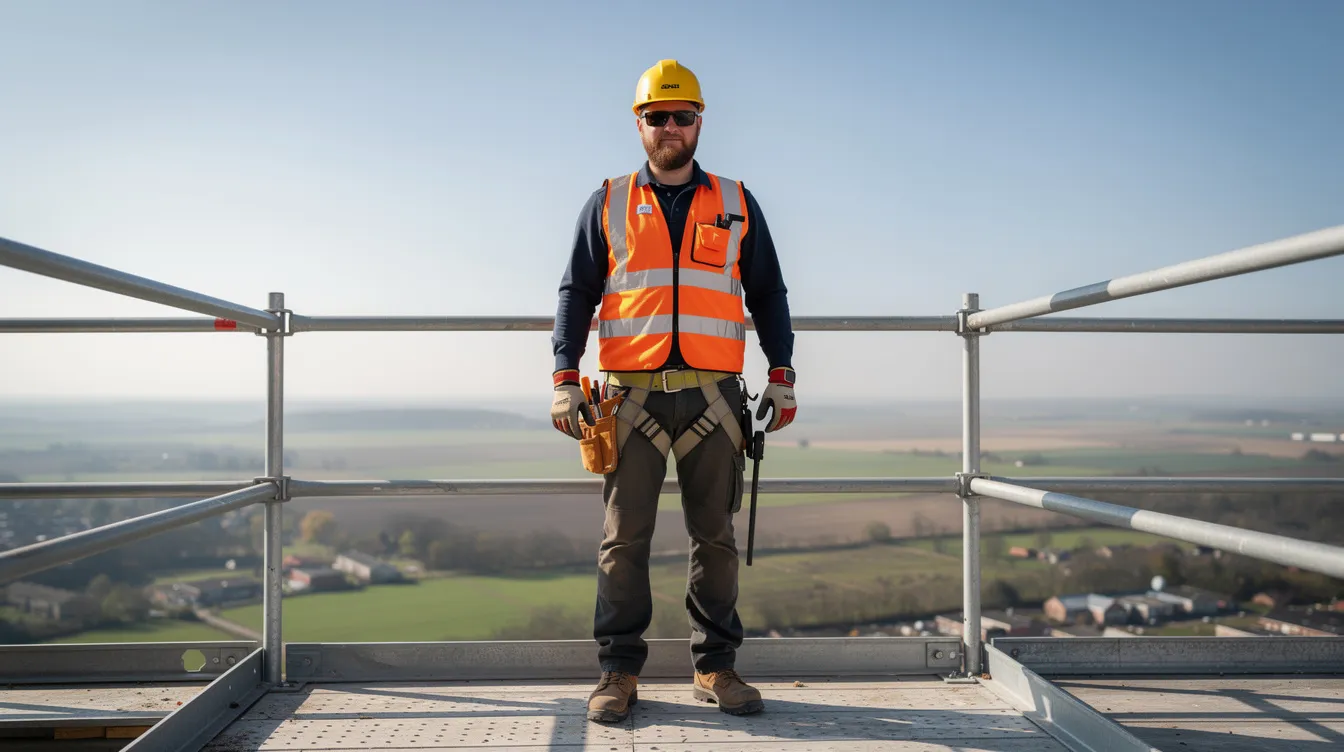
Physical risk is only part of the issue. Working alone can also increase mental strain, uncertainty, and pressure to decide quickly. Construction Executive’s reporting on this topic has highlighted that working alone affects both physical safety and wellbeing, not just emergency response.
That connection matters because concentration, judgment, and communication are safety-critical capacities. An isolated worker may feel pressure to keep moving, finish before dark, avoid bothering a supervisor, or push through discomfort rather than stop and ask for help. A newer employee may be especially reluctant to report uncertainty when no one is nearby.
On a construction site, these pressures can show up as rushing, skipped steps, second-guessing, or silence when conditions change. The result is not only a wellbeing concern but a direct safety-management issue. Contractors do not need to turn lone-worker planning into a separate wellness program, but they should recognize that isolation can affect how people assess risk and whether they speak up in time.
OSHA states that no general standard prohibits or broadly regulates employees working alone, except in certain specific situations. Those specific situations can include tasks or environments where other standards require attendants, backup personnel, emergency planning, or check-in procedures. That means employers cannot assume that the absence of a single “working alone” rule removes responsibility.
NIOSH has elevated lone work as a safety and health issue and announced that OSHA and NIOSH formed a partnership in 2023 to improve safety and health for lone workers. NIOSH’s 2024 bulletin also makes clear that construction is one of the industries where lone work can occur.
For Rocky Mountain contractors, the enforcement structure should be described carefully. Most private-sector construction employers in Colorado are covered by federal OSHA. Wyoming, by contrast, operates an OSHA-approved State Plan for private-sector workplaces. Colorado also has separate public-sector coverage arrangements, so contractors working across both states should avoid assuming the same oversight structure applies in every setting.
The practical lesson is the same in both states: if lone work creates a recognized hazard, employers should address it through written procedures, supervision, communication systems, and task-specific controls.
Not every role is a lone-worker role all day, but certain responsibilities frequently create lone-working conditions in construction. These often include:
Colorado and Wyoming contractors may also face lone-worker exposure during mountain service calls, remote utility work, wind or solar maintenance, scattered tenant-improvement projects, and long travel between jobs. These examples help supervisors picture lone-worker exposure during scheduling, dispatch, and manpower planning.
Build a lone-worker review into the same planning systems contractors already use for daily work, including pre-task plans, JHAs, and supervisor discussions. The point is not to create paperwork for its own sake. It is to decide whether the task is safe to perform alone and, if so, what controls are needed.
Use questions like these before assigning a lone-working task:
If the safest answer is that the task should not be done alone, that is a valid assessment outcome.
Lone-worker controls should match the seriousness of the task and the consequence of delayed rescue. Some activities should not be performed alone. For other assignments, layered administrative controls can significantly reduce exposure.
Communication: Workers need a reliable way to call for help and a backup method when conditions make primary communication unreliable. Depending on the assignment, that may mean phones, site radios, radio repeaters, or satellite-capable devices for remote areas. The right choice depends on actual site conditions, not assumptions about coverage.
Check-ins: Regular check-ins are one of the simplest and most effective controls. For higher-risk tasks, use defined contact points such as arrival, start of the critical phase, midpoint, completion, and departure. For travel or routine inspections, time-based intervals may be more practical. The key is that a missed check-in must trigger a clear response, not a vague expectation that someone will notice eventually.
Buddy systems and direct supervision: Some tasks should automatically require another person, a safety watch, or an attendant. If the hazard is high and rescue would be delayed or difficult, schedule the work so the employee is not alone.
Training: Lone-worker safety depends on workers and supervisors understanding the plan. Training should cover hazard recognition, escalation steps, check-in expectations, communication failures, and stop-work authority when the conditions no longer support safe solo work.
Emergency escalation: The company should decide in advance who acts when a worker goes silent, how quickly the situation escalates, and who has authority to dispatch help or initiate emergency response.
This checklist can help Colorado and Wyoming project teams turn lone-worker planning into a repeatable routine:
This does not need to become a major standalone program. For many contractors, the first improvement is simply making lone-worker exposure visible in planning, rather than treating it as an informal field reality.
Lone-worker risk fits naturally into the broader safety systems many contractors already use. ABC Rocky Mountain’s Safety Programs page highlights safety training, Safety Peer Group meetings, STEP, Total Human Health, and suicide-prevention training. Those resources give members several practical ways to strengthen policies, supervisor expectations, and communication around lone work.
For example, construction safety leadership is directly relevant when supervisors need to identify lone-worker exposure during planning and consistently enforce check-in or stop-work expectations. ABC Rocky Mountain’s article on mental health in construction safety leadership is also a useful companion resource for companies that want to address how communication, stress, and readiness affect field safety.
A practical next step is to review your current lone-worker procedures with your safety team this month. Compare how you currently handle communication, check-ins, escalation, and high-risk solo tasks against the checklist above, then use ABC Rocky Mountain resources to close the biggest gaps first.
Lone worker safety for construction leaders comes down to one core question: if something goes wrong, how quickly will anyone know, and how quickly can help respond? That question affects both physical safety and worker wellbeing.
OSHA does not provide one general working-alone rule for construction, but that does not remove employer responsibility. NIOSH and OSHA have both recognized lone work as a meaningful safety and health issue, and construction is one industry where the risk is easy to overlook unless supervisors plan for it directly.
For Colorado and Wyoming contractors, the next step is clear. Identify where lone-worker situations happen most often, decide which tasks should never be done alone, tighten your communication and missed-check-in procedures, and use ABC Rocky Mountain’s safety resources to strengthen the system. Contractors that treat lone work as a planning issue rather than an afterthought will be better positioned to protect crews across both busy urban jobsites and remote Rocky Mountain assignments.
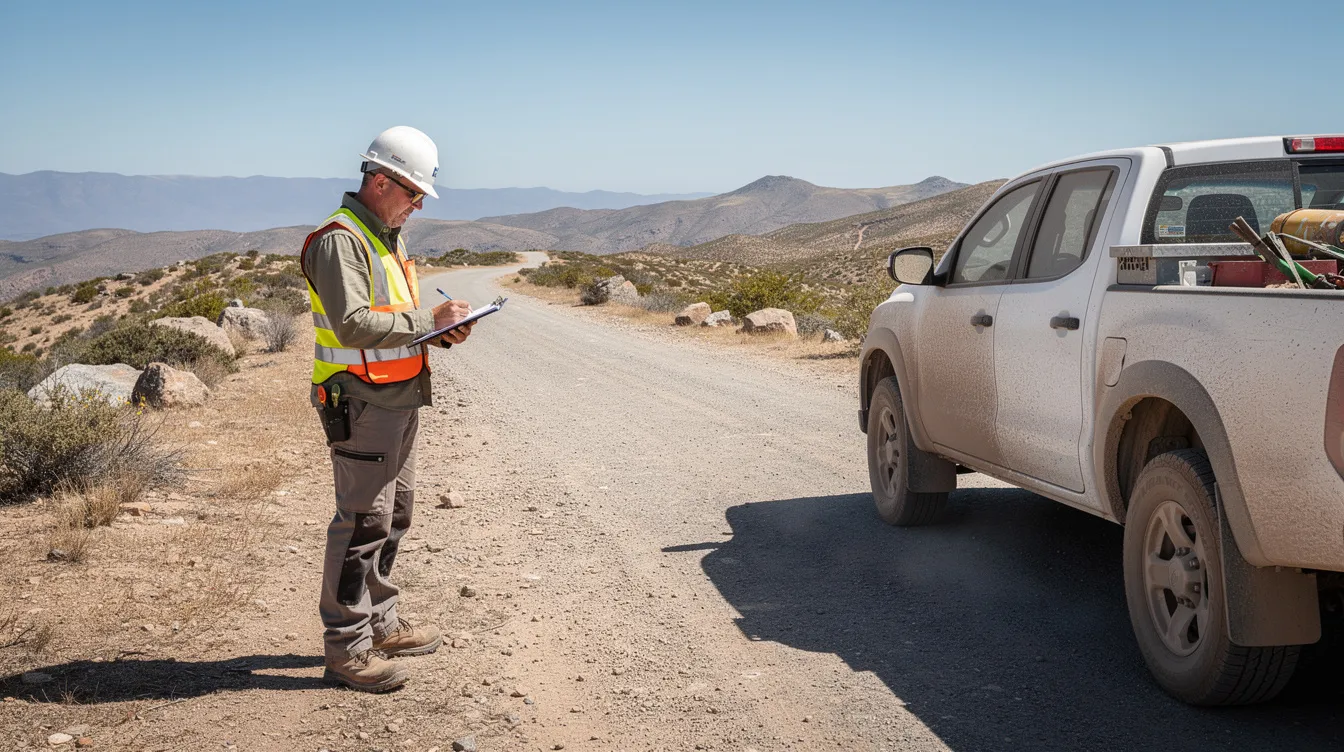
Below are answers to common questions about this topic.
Start with tasks where OSHA standards or company rules already require more than one person, an attendant, or direct backup. Then look at the practical rescue problem. If a fall, exposure, electrical event, medical emergency, or equipment incident could leave the worker unable to summon help quickly, the task may not be appropriate for solo work.
Check-in frequency should follow the risk. Higher-risk or changing tasks need tighter intervals and clearer milestones. Many contractors use task-based check-ins for critical work and time-based intervals for travel or inspections. What matters most is having a defined escalation path when a check-in is missed.
No single device works best for every project. Urban and Front Range work may support phones or site radio systems, while mountain or remote Wyoming assignments may need more robust radio coverage or satellite-capable options. The best device is the one that works reliably in the actual terrain, weather, and building conditions where the worker will be.
Supervisors should be trained to spot lone-worker exposure during planning, verify communication and check-in procedures, know when a task should not be done alone, and respond immediately when a contact is missed. They should also reinforce that workers can stop and ask for help when conditions change.
They can, depending on the task. A remote office employee is not automatically a lone worker for safety purposes, but someone traveling alone to sites, visiting unfamiliar properties, or handling field inspections without nearby support may fall into that category. The strongest controls should still focus on field and travel situations where physical hazards and delayed-assistance risks are greatest.


