


Embodied carbon construction is moving from a design-side sustainability concept into a real contractor workflow issue. For Colorado and Wyoming commercial builders, the practical questions are no longer abstract: Which projects require embodied-carbon documentation? Which suppliers can produce usable product data? And who on your team will manage the paperwork before a substitution or closeout problem turns into cost and schedule risk?
That shift is most immediate on two fronts. First, projects that choose LEED v5 now face embodied-carbon quantification requirements early in the process. Second, Colorado state projects subject to the Buy Clean Colorado Act already require global warming potential, or GWP, documentation for certain material categories on eligible work. Wyoming does not have an analogous state Buy Clean law, so contractors working across both states need to separate Colorado compliance from Wyoming owner-driven expectations.
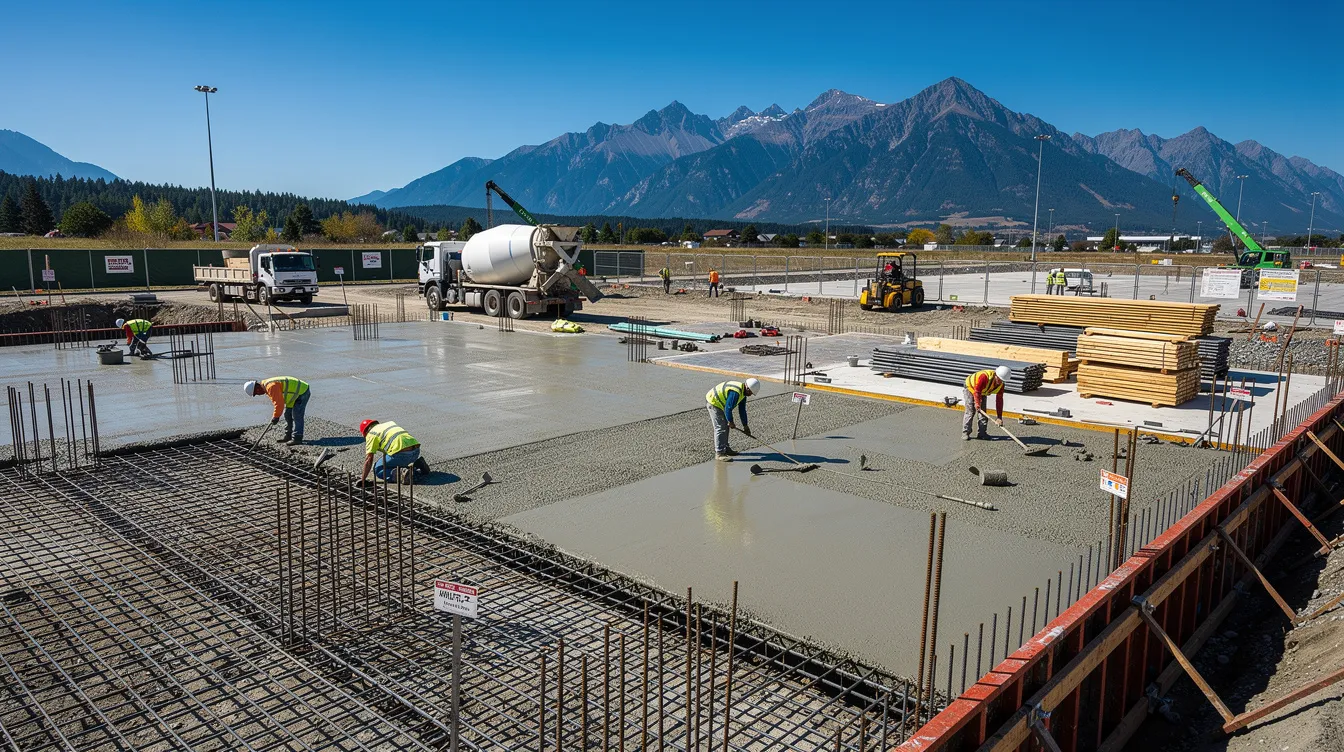
Understanding embodied carbon starts with separating it from operational carbon.
Operational carbon comes from running the building after occupancy: heating, cooling, lighting, plug loads, and related energy use.
Embodied carbon is different. In USGBC’s LEED v5 glossary, it is defined as the greenhouse gas emissions from the manufacturing, transportation, installation, maintenance, and disposal of building and infrastructure materials.
For contractors, that distinction matters because carbon-related decisions can be influenced by what gets specified, procured, substituted, and installed. It also matters because not every program measures embodied carbon the same way. LEED discussions may use broader life-cycle language, while Colorado Buy Clean compliance is tied to GWP reporting for covered products and focuses on production-stage impacts under the state policy.
So the safest field assumption is not that every owner, agency, or rating system wants the same carbon number. Instead, teams need to confirm the required scope for the specific project before procurement decisions are locked in.
USGBC states that LEED v5, LEED v4.1, and LEED v4 are all open for registration, and LEED v5 projects register in Arc. That means not every LEED job in Colorado or Wyoming will immediately shift to v5, but contractors should expect to see it increasingly on new pursuits where owners want the newest framework.
The practical change is this: for projects that choose LEED v5, embodied-carbon measurement is not a late-stage add-on. USGBC materials describe embodied-carbon quantification as a prerequisite-level activity, requiring teams to quantify impacts and identify the highest-emitting materials before trying to reduce them.
For contractors, that can change the timing of involvement in several ways:
That does not mean every project in Denver, the Front Range, Northern Colorado, Colorado Springs, or Wyoming now requires the same level of embodied-carbon tracking. It means contractors should stop assuming this is only a design-consultant issue. On the right projects, it is already a procurement and project-controls issue too.
Embodied carbon is often discussed across life-cycle stages, but project requirements may measure only part of that picture.
Upfront stages. These include raw material extraction, manufacturing, transport, and installation. For many new commercial buildings, this is where the largest embodied-carbon decisions are made.
In-use stages. Maintenance, repair, and replacement can also affect long-term material impacts.
End-of-life stages. Demolition, hauling, disposal, recycling, and recovery can shape the overall carbon profile of a material system.
Contractors do not need to perform every life-cycle calculation themselves to benefit from understanding this structure. The value is practical: it helps teams see why an owner or design team may focus so heavily on a handful of material packages instead of treating every finish and fixture equally.
It also helps explain why reuse and renovation can appeal to some owners. Retaining an existing structure can avoid some new upfront material impacts, though the value of that strategy depends on project conditions and should be evaluated project by project.
Just keep the compliance distinction clear: general life-cycle education is not the same thing as a project’s actual reporting boundary. On Colorado Buy Clean work, for example, the state policy is focused on production-stage impacts for covered materials rather than every life-cycle stage discussed above.
Colorado has a direct public-project policy driver that Wyoming does not. According to the Colorado Office of the State Architect, the Buy Clean Colorado Act is focused on reducing embodied carbon emissions on state public projects.
The policy applies to certain eligible projects with total costs of $500,000 or greater and covers defined material categories that include:
Compliance is shown through environmental product declaration documentation and related GWP reporting requirements for covered products. Under the state policy, contractors should focus on the required reporting scope for those products rather than assume a broader whole-life assessment is needed for Buy Clean compliance.
For Colorado estimators and procurement teams working on state-funded projects, the documentation burden is not theoretical. It affects supplier selection, scope review, and substitution risk.
Wyoming contractors should not assume the same state-law framework applies there. Wyoming does not currently have a comparable statewide Buy Clean statute, so the trigger is more likely to be an owner requirement, a federal standard, or a voluntary certification path such as LEED.
The biggest mistake is treating embodied carbon as a stand-alone sustainability topic. The safer approach is to embed it in the same workflow discipline you already use for schedule, quality, and contract compliance.
At bid time, identify whether the project is:
This is where many teams first miss the issue. The requirement may appear in front-end documents rather than in a trade scope summary.
Flag the material packages most likely to trigger embodied-carbon review. On commercial work, that often means concrete, reinforcing steel, structural steel, glass, and structural wood elements. Depending on the project, major envelope systems may also draw attention.
Build a simple internal list: which scopes are likely affected, which vendors commonly serve those scopes, and what documentation each vendor can provide.
Before buyout, ask suppliers direct questions:
Do not assume that a supplier’s marketing sheet or general sustainability statement will satisfy the requirement.
Carry embodied-carbon requirements into RFQs, purchase orders, and subcontract language where appropriate. If the bid relied on specific documentation, the buyout package should reflect that. Otherwise, your project team may inherit avoidable substitution fights later.
Track EPDs and carbon-related forms like any other required project deliverable. Tie them to the submittal log rather than storing them in an informal email chain.
A practical system can be very simple:
Contractors already exploring better documentation systems may find it useful to connect this process with broader construction technology adoption efforts.
Value engineering and substitutions can create carbon-compliance risk even when they reduce cost. A lower-priced option is not automatically acceptable if it lacks required documentation or affects a project’s embodied-carbon targets.
This is where operations and risk teams should work together. If a project carries LEED v5 or Buy Clean obligations, review carbon impacts alongside schedule and cost impacts before approving a change.
By closeout, the team should not be hunting for missing EPDs from months-old email threads. Compile carbon-related documentation as part of the standard turnover package, especially when the owner must document LEED compliance or public-project reporting.
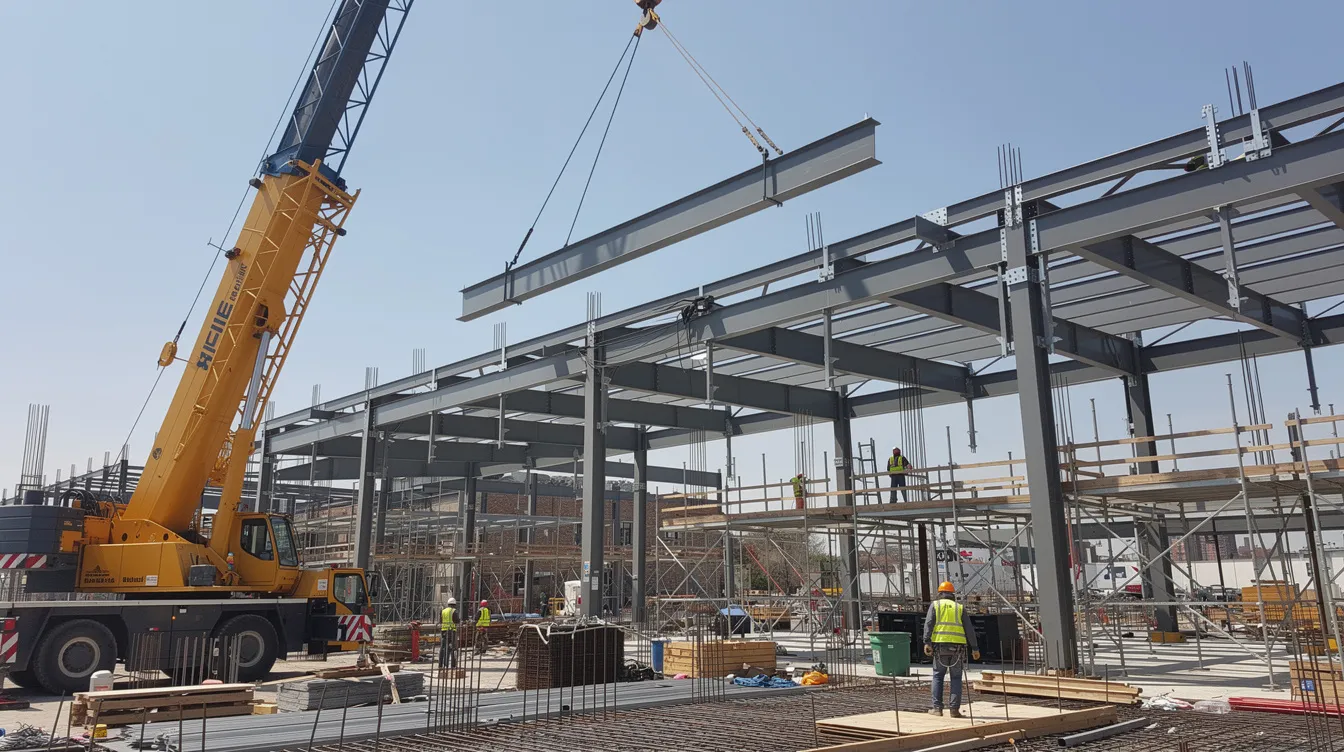
Not every product on a jobsite will receive equal scrutiny. In practice, embodied-carbon discussions usually concentrate on high-volume structural and enclosure materials.
Common focus areas include:
That aligns with Colorado’s Buy Clean categories and with the types of materials often emphasized in whole-building carbon discussions. It also gives contractors a practical prioritization tool: start building documentation discipline around the scopes most likely to matter, rather than trying to create an all-materials compliance system on day one.
On some projects, design teams may also evaluate options such as revised concrete mixes, different structural systems, or reuse of existing elements. Contractors do not need to promise carbon reductions they cannot verify. Their value is often more straightforward: identifying realistic supplier options, clarifying documentation lead times, and helping the team avoid late surprises.
Contractors in the Rocky Mountain region should be careful not to overread local policy. Denver’s Community Planning and Development department states that it reviews, permits, and inspects building projects for compliance with the Denver Building and Fire Code, zoning code, and related regulations. That confirms an active local regulatory environment, but it does not by itself mean Denver broadly enforces embodied-carbon limits through its permit process.
The stronger, verified Colorado policy example in this article is Buy Clean on eligible state public projects.
Beyond regulation, embodied-carbon expectations are most likely to surface where owner sophistication and documentation demands are already high: institutional projects, some public work, and complex private commercial pursuits where LEED or other sustainability standards are part of the RFP. In Wyoming, similar requests are more likely to be owner-specific than state-mandated.
For regional contractors, the operational takeaway is not “every project now requires this.” It is “more projects may ask for this, and the firms with a repeatable process will be easier to trust.”
That broader market-readiness theme also connects with ABC Rocky Mountain’s Rocky Mountain construction market outlook, where contractors are already balancing documentation pressure, margin protection, and project selectivity across Colorado and Wyoming.
Use the quick screen below during pursuit review or project handoff.
| Question | If Yes | Action |
|---|---|---|
| Is the project registered or expected to register under LEED v5? | Embodied-carbon quantification may be required early. | Confirm who is collecting material data and what contractor inputs are expected during preconstruction. |
| Is this an eligible Colorado state project? | Buy Clean requirements may apply to covered materials. | Review covered scopes and request EPD/GWP documentation from suppliers before buyout. |
| Do Division 01 or sustainability specs mention EPDs, GWP, or life-cycle assessment? | The requirement may be contractual even without LEED. | Assign internal responsibility and build documentation milestones into the submittal log. |
| Are concrete, steel, glass, or structural wood major cost drivers? | These are common focus materials. | Prequalify suppliers based on both pricing and documentation capability. |
| Are substitutions or VE likely on this project? | Carbon-related compliance can be disrupted late. | Add carbon/document review to your change-management process. |
If you answer yes to two or more of these questions, treat embodied-carbon documentation as a real project-control item, not a side request.
Use this as a starting point for your next Colorado or Wyoming pursuit.
Pre-bid
Procurement
Project management
Closeout
Immediate next step: Pull one recent bid set from your Denver, Front Range, Northern Colorado, Colorado Springs, or Wyoming pipeline and review where embodied-carbon language appears. Then create a one-page internal checklist and a short preferred-supplier list for the material categories most likely to be affected.
For merit-shop contractors, embodied carbon is best approached as another disciplined project-delivery process: understand the requirement, assign responsibility, and standardize the workflow. ABC Rocky Mountain can support that mindset by helping members strengthen the training, documentation habits, and peer-to-peer information sharing that complex commercial work increasingly demands.
Members looking to tighten front-end risk review may also find value in ABC Rocky Mountain’s construction contract review checklist, since embodied-carbon obligations can appear in owner standards, Division 01 sections, and buyout terms long before submittals begin.
The firms that prepare now do not need to become carbon consultants. They need a repeatable process to spot requirements early, qualify suppliers intelligently, and keep documentation from disrupting project delivery.

Below are answers to common questions about this topic.
No. USGBC states that LEED v5, LEED v4.1, and LEED v4 are all open for registration. Contractors should verify the rating system named in the project documents rather than assume every LEED project has moved to v5.
No. LEED v5 requirements apply to projects that pursue that rating system. Separate owner requirements or public-policy requirements may also create embodied-carbon documentation obligations, but those need to be confirmed project by project.
No. The general concept of embodied carbon can span multiple life-cycle stages, but Colorado Buy Clean compliance is tied to the state’s required GWP reporting approach for covered products and focuses on production-stage impacts under that policy. Contractors should confirm the required scope instead of assuming every program uses the same boundary.
Usually it is not performing the carbon analysis itself. It is discovering too late that a selected supplier cannot provide the required documentation, or approving a substitution that creates a compliance issue after pricing and scheduling decisions are already locked in.
If they work in material categories that are commonly reviewed for embodied carbon, yes. Concrete, steel, glazing, and structural wood suppliers may increasingly be asked for product documentation on certain projects, especially where LEED v5 or Colorado Buy Clean requirements are involved.
Start small. Identify the material scopes most likely to trigger requests, ask your most common suppliers what documentation they can provide, and assign one internal point person to track requirements on a pilot project. A basic repeatable process is more useful than a complex system no one maintains.


