


When a construction claim turns serious, the strongest position usually belongs to the party that can show what happened in real time. A superintendent’s memory, a vague email thread, or a cost summary built months later rarely carries the same weight as dated daily reports, inspection records, photos, test results, and written notice.
That is why CQM documentation matters well beyond inspections. On federal and military work, Construction Quality Management creates a structured record around preparatory, initial, and follow-up inspections. On commercial work, the same discipline can help contractors prove changed conditions, defend against defective-work allegations, support payment claims, and respond faster when insurers, owners, or counsel start asking for backup.
For contractors across Colorado and Wyoming, the practical question isn’t whether documentation matters. It is whether your current system would hold up if a dispute surfaced this week.
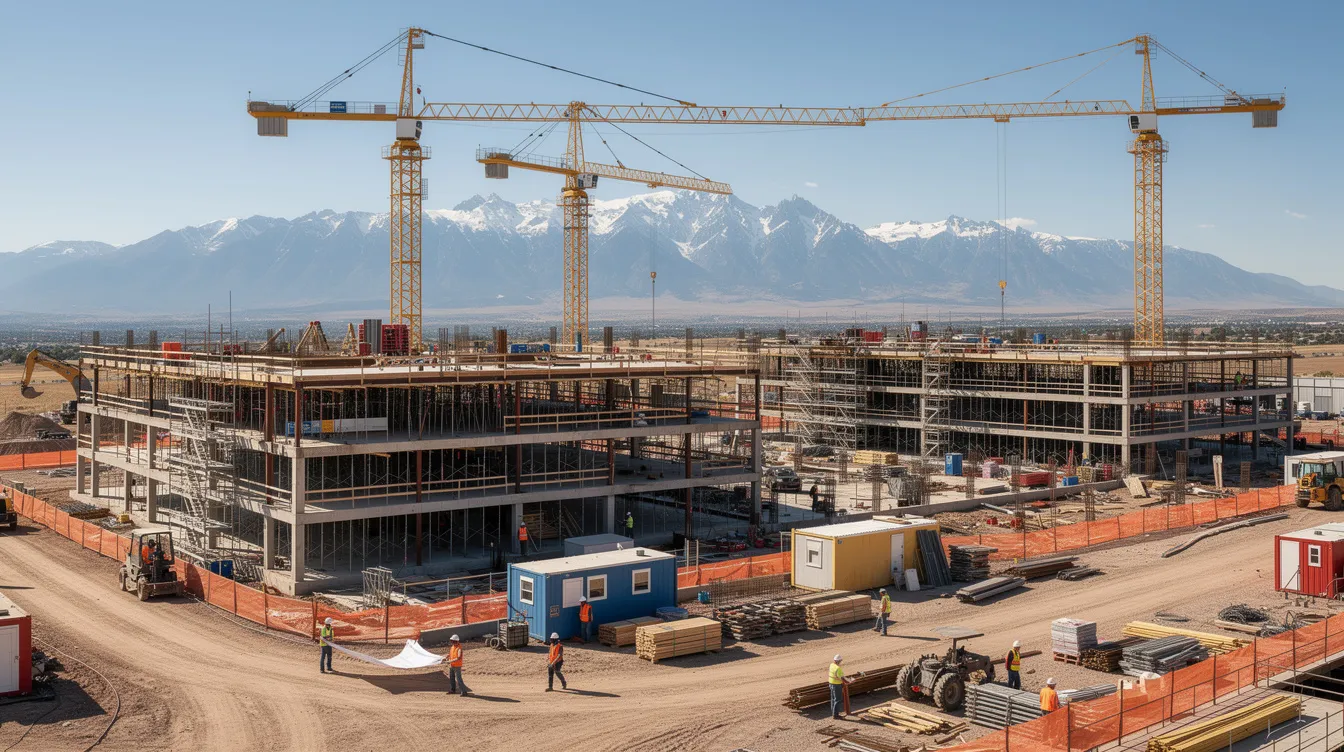
In this article, CQM documentation refers to construction quality records, not healthcare quality measures or any other industry use of the acronym.
On USACE- and NAVFAC-related work, CQM centers on contractor quality control and government quality assurance. That framework depends on documentation. Preparatory meetings, initial inspections, follow-up inspections, submittal tracking, testing records, deficiency logs, and corrective actions all help create a documented history of the work.
That matters because federal contracting standards emphasize complete files. FAR 4.801 states that documentation in contract files must be sufficient to constitute a complete history of the transaction and provide essential facts in litigation. Contractors on federal projects are not the government, but mirroring that standard in their own files is a smart risk-control practice.
Common CQM documentation elements include:
ABC Rocky Mountain’s public article on CQM certification and contract documentation also connects CQM discipline to the records contractors may need later when scope, quality, payment, or delay issues arise.
Most disputes do not begin in a courtroom. They usually start with a field problem: a differing site condition, a rejected pay request, an access issue, a failed test, a damaged installation, or a disagreement over who directed extra work.
From there, the issue moves through a familiar sequence: notice, investigation, negotiation, and sometimes mediation, arbitration, or litigation. Contractors who can produce contemporaneous evidence are in a far stronger position at every stage.
Strong documentation helps answer the questions that decide many disputes:
That is also why early evidence preservation matters. Once a dispute is reasonably foreseeable, waiting months to gather records usually exposes gaps that cannot be recreated honestly after the fact.
If a job problem could turn into a claim, project teams should start organizing records immediately. A useful first-response file usually includes the following categories.
The goal is not to build a legal brief on day one. The goal is to preserve the real project record before repairs, demolition, continued work, or routine file turnover make it harder.

Not every file matters equally in a dispute. Some records consistently do more work than others because they tie conditions, notice, and cost to actual dates.
| Record Type | Why It Matters |
|---|---|
| Daily reports | They help establish what happened on site each day, including labor, weather, work areas, equipment, visitors, and disruptions. |
| Inspection and CQM records | They show what was reviewed, what failed, and how corrective action was handled. |
| Photos and video | They can make conditions, damage, progress, and access issues easier to evaluate than narrative descriptions alone. |
| Schedules and updates | They help connect an event to actual sequence, delay, and out-of-sequence work. |
| Cost records | They support the amount claimed, not just the entitlement theory. |
| As-builts and marked-up drawings | They help show what was actually installed and where scope or design conflicts developed. |
Daily reports deserve special attention. A useful daily report does more than say “worked on foundation” or “continued framing.” It identifies area, crew activity, equipment in use, weather or site constraints, visitors or owner direction, inspections performed, and unusual conditions that may matter later.
Likewise, photos are most valuable when they are organized and explained. A file full of unlabeled images is less persuasive than a smaller set that is dated, tied to a location, and matched to a report entry or notice.
CQM documentation is especially useful on federal work because it is already organized around verification. If your project team already tracks definable features of work, inspection phases, deficiencies, corrections, tests, and supporting photos in a consistent system, the project record is easier to assemble and harder to attack when questions arise later.
That is one reason disciplined CQM habits pay off long before a dispute escalates. The point is not that one federal regulation solves every claim issue. Quality-driven recordkeeping gives contractors a cleaner factual history when they need to explain performance, defend payment, respond to owner concerns, or support a request tied to the contract.
For Rocky Mountain contractors pursuing military or other federal jobs, this is more than administrative neatness. It helps protect margin on complex work where schedule pressure, rework, and owner scrutiny can intensify quickly.
When contractors lose leverage in a dispute, the problem is often not a lack of effort. It is a weak record. These gaps show up repeatedly:
OSHA recordkeeping can also matter when injuries, incidents, or site conditions become part of a claim. Construction employers generally have recordkeeping, reporting, and posting obligations, so safety-related records should not be treated as separate from the broader dispute file when the facts overlap.
A claim-ready system does not have to be complicated. It does need to be consistent.
For contractors across Denver, the Front Range, Northern Colorado, Colorado Springs, and Wyoming, a workable structure usually includes four habits:
This is where CQM training can help. ABC Rocky Mountain’s article on CQM certification and contract documentation frames documentation as part of quality control discipline, not just a paperwork exercise. That mindset matters because the contractors who document consistently during ordinary work are usually the ones best prepared when conditions change.
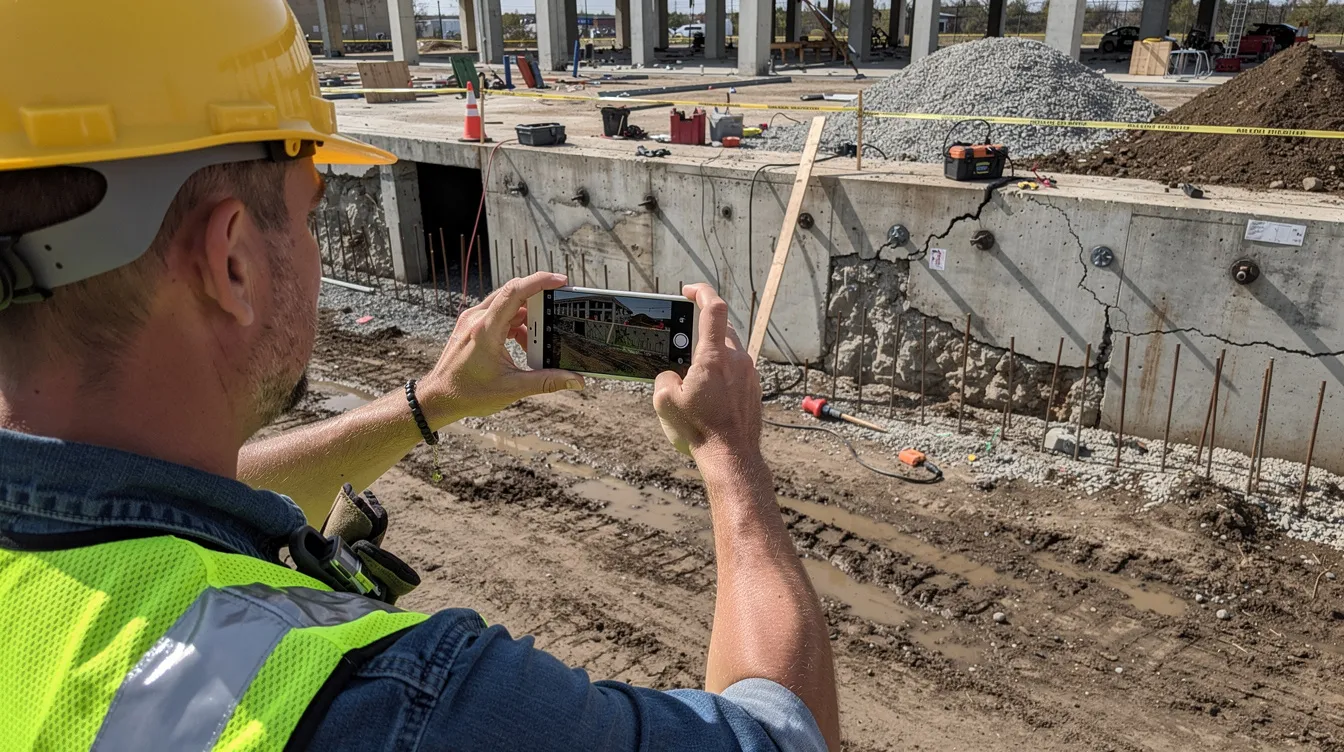
Colorado and Wyoming contractors share many of the same documentation risks, but not always the same project conditions.
Along Colorado’s Front Range and in Colorado Springs, tighter project sequencing, denser sites, and faster owner decision cycles can make notice timing and daily reporting especially important. On Wyoming projects, remote locations, weather disruption, travel logistics, and thinner staffing can make photos, schedule notes, delivery records, and field instructions even more important because conditions may change before a wider team can revisit the site.
Federal and military work across both states raises the stakes further. The more formal the quality and contract framework, the less room there is for undocumented assumptions.
The practical takeaway is simple: use the same documentation discipline in both states, but do not assume the same job conditions, timelines, or operating pressures.
If you want to improve cqm documentation without overhauling every process at once, start small and start now.
Documentation rarely feels urgent until a claim appears. By then, it is often too late to create the missing record. The better approach is to treat documentation as part of project control from the start, especially on work where quality verification, schedule pressure, and contract risk all intersect.
Below are answers to common questions about this topic.
CQM documentation is more structured. It is typically tied to inspection phases, definable work features, testing, deficiencies, and corrective action. That makes it more useful when a contractor later needs to show exactly what was planned, inspected, accepted, rejected, or corrected.
Yes. Smaller firms may have fewer staff and simpler systems, but they still face payment disputes, change-order conflicts, and defective-work allegations. A simpler project still benefits from clear daily reports, notice, photos, and cost backup.
Digital tools can help standardize daily reports, inspection forms, and photo storage. But the tool is only useful if the team fills it out accurately, consistently, and on time.
Retention periods can vary by contract, project type, and applicable law. The safest approach is to follow contract requirements, your document-retention policy, and project-specific legal guidance rather than rely on a single general rule.
Start with one pilot project and three basics: stronger daily reports, better photo organization, and a clear written notice process. Once those habits improve, expand the same discipline to inspections, cost tracking, and file organization.


