


Contractor estimating should turn changing market conditions into a usable bid before work starts. Right now, the wood market is sending two different signals at once. Construction Executive reported on October 16, 2026, that Gordian’s latest tracking showed framing lumber staying nearly flat while plywood climbed and pine boards also moved higher. If your estimating process still treats all wood products as one allowance, your bid may be built on a category average that hides the real source of exposure.
That matters because a calm framing-lumber benchmark can make the full wood package look stable when it is not. If sheet goods are rising faster than studs, joists, and similar dimensional-lumber items, a blended allowance can quietly understate part of the scope. The estimate may still look competitive, but the margin risk moves downstream into procurement and buyout.
This briefing is for commercial contractors, estimators, and project managers in Colorado and Wyoming. The goal is not to overreact to one headline. It is to apply the current wood-price split in a practical way: separate the categories that are moving differently, tighten the assumptions that matter, and protect margin on wood-heavy work without overpricing the whole job.
Construction Executive, citing Gordian’s RSMeans data, reported that the national average cost of framing lumber was $915.88 per thousand board feet in July 2026, down 0.08% from April and down 2.15% from a year earlier. The same report said plywood costs rose 11% over the quarter and pine-board prices increased 3%. Framing lumber was the only tracked major wood category that declined during that period.
Gordian also cautioned that those figures are national averages for reference, not guaranteed local prices. That distinction matters for estimators in Denver, the Front Range, Northern Colorado, Colorado Springs, Cheyenne, Casper, and other Wyoming markets. Use the figures as a directional warning: wood products are not moving in lockstep, so estimates should not assume they are.
Broader producer-price data points in the same direction. The U.S. Bureau of Labor Statistics Producer Price Index release for September 2026 showed plywood up 1.8% for the month while softwood lumber was down 0.1%. That is not a local Rocky Mountain index, but it reinforces the same practical message for contractor estimating: looking only at a broad lumber benchmark can miss where the real pressure is sitting inside the wood package.
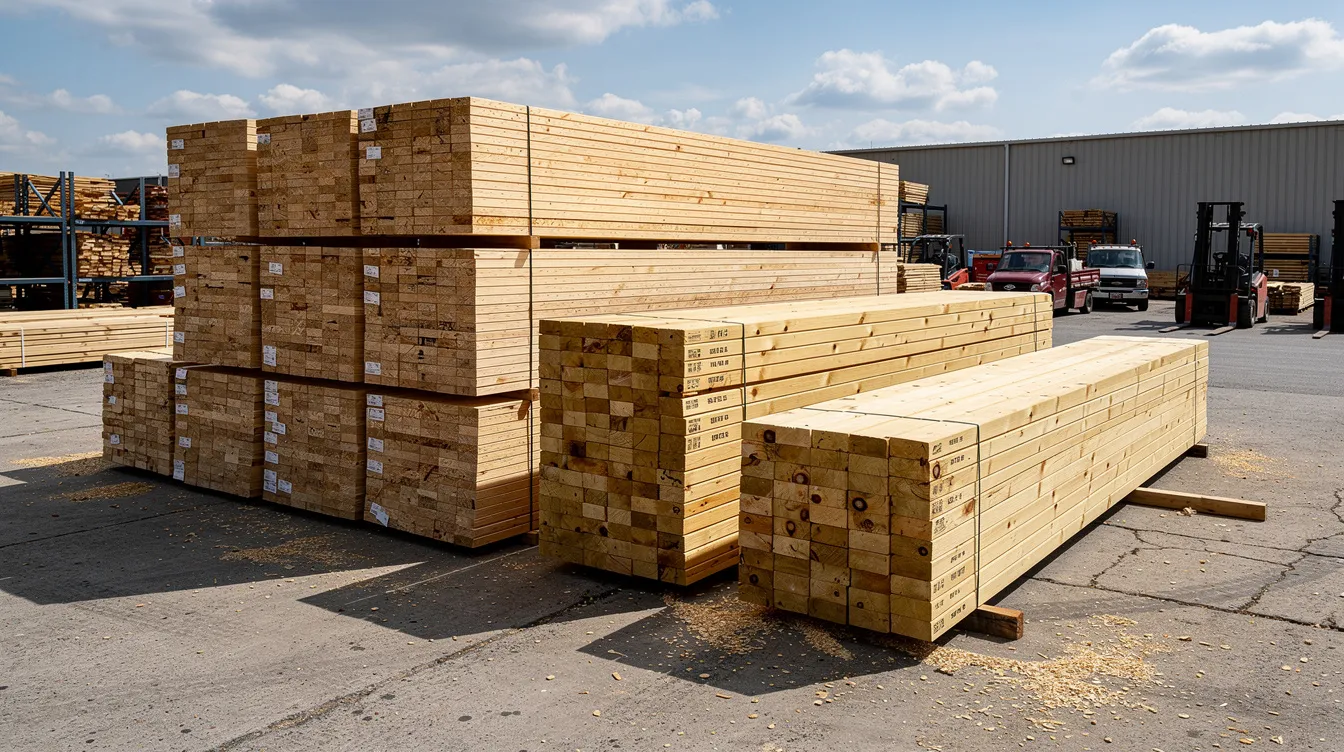
Many estimates still carry studs, joists, sheathing, roof decking, and finish boards under one broad wood-material line. That approach is less reliable when sheet goods and dimensional lumber are moving in different directions.
A careful quantity takeoff can show where those risks actually sit. Roof and floor sheathing, shear walls, subfloor systems, some roof-deck assemblies, and certain tenant-improvement scopes can be more exposed to plywood and other sheet goods than to framing lumber. By contrast, wall framing, floor joists, headers, and similar assemblies may be driven more heavily by dimensional lumber.
If both categories are buried inside one allowance, a stable framing-lumber number can mask rising exposure in sheet goods. That is why contractor estimating should now separate at least three internal categories on wood-heavy work: framing lumber, plywood and other sheet goods, and other board or finish products when they matter to the scope. Even if the final proposal remains summarized, the internal estimate should reflect how the market is actually moving.
The wood-price split is not equally important on every project. It matters most where the wood package is large enough to affect buyout timing or job margin.
Across Colorado and Wyoming, the issue is more likely to matter on project types such as:
The point is not that every one of these projects has the same exposure. National wood data becomes more useful when estimators identify which assemblies on the actual job are plywood-driven and which are framing-lumber-driven. In Colorado’s faster-moving Front Range markets, that can shape how aggressively a team updates exposed bids. In Wyoming, longer procurement paths or smaller local supplier pools can make quote timing and buyout discipline especially important.
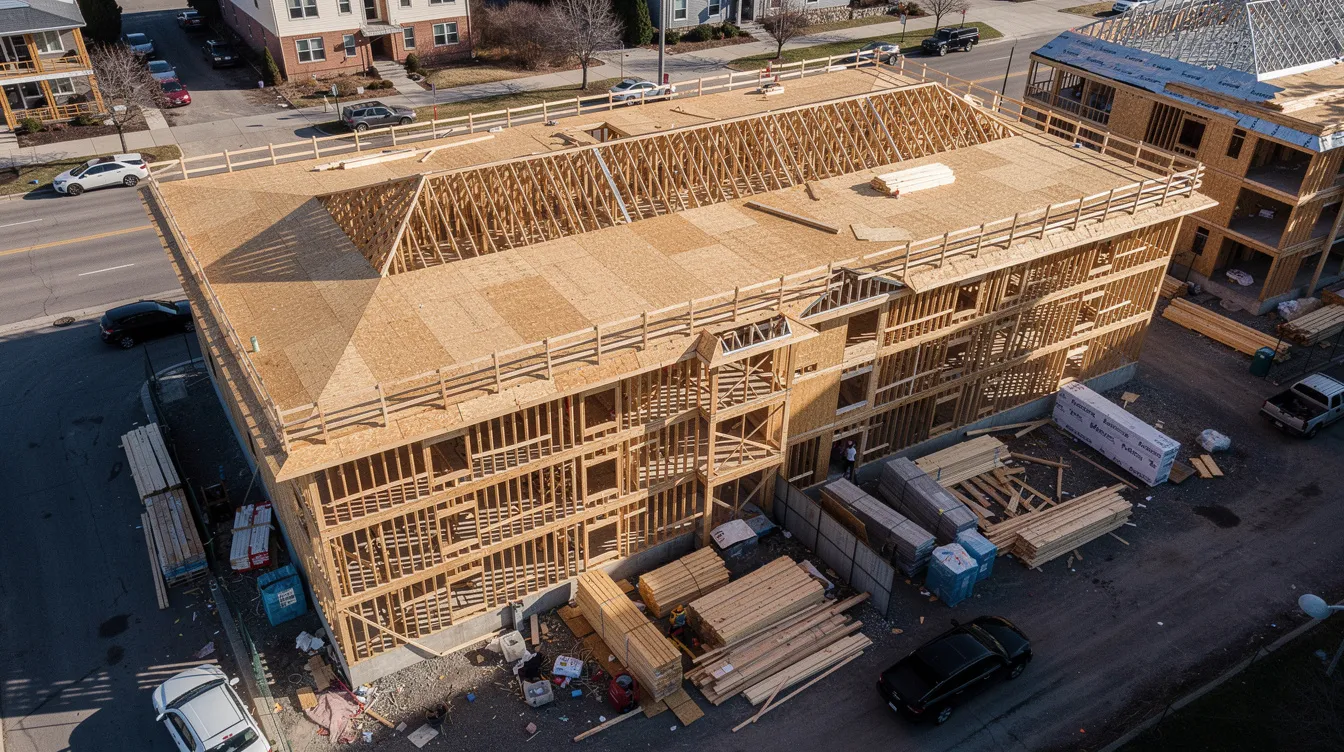
Here is a practical way to refine contractor estimating when plywood and framing lumber are no longer moving together.
Step 1: Break out the categories internally. At minimum, separate framing lumber, plywood and sheet goods, and any other wood-product category that has material cost significance on the job.
Step 2: Compare current quotes against recent job history. Your own historical project data can help you understand how much of a recurring building type’s wood package usually sits in framing lumber versus sheet goods. That is often more useful than relying on one blended historical allowance.
Step 3: Refresh pricing by category instead of using one blanket adjustment. If supplier feedback shows sheet goods moving while framing lumber is stable, update the affected category rather than applying the same percentage to every wood line.
Step 4: Carry visible assumptions into handoff. If the estimate depends on current quote dates, substitutions, or a specific buyout window, document that clearly so project management and purchasing understand where the risk sits after award.
Step 5: Review assemblies, not just commodity headlines. The estimating question is not simply whether “lumber is up” or “lumber is flat.” The better question is which assemblies in this job are tied to the wood products that are actually moving.
When one part of a material category is moving faster than another, time becomes a bigger estimating risk.
Bid validity windows. On wood-heavy work, review whether your normal validity period still fits the pace of supplier quote movement. A shorter window or a clearer qualification may be warranted when plywood exposure is meaningful.
Escalation language. If the contract structure allows it, write escalation language clearly and specifically. Vague references to “market conditions” are less useful than identifying which materials are covered, what documentation matters, and what notice process applies. Legal counsel should review any escalation language before submission.
Buyout timing. After award, plywood-heavy packages may justify earlier attention than a general wood package would suggest. The key is to align buyout timing with the assumptions in the estimate rather than waiting long enough for bid-day numbers to go stale.
Subcontractor and supplier coordination. Clarify how long wood-related quotes are valid, what exclusions apply, and whether freight, substitutions, or release timing could change the final number. In a split market, quote details matter more than a single headline benchmark.
Wood estimating errors are not always dramatic on a line-item basis. They become dangerous when the same bad assumption repeats across large quantities of sheet goods or multiple projects using similar assemblies.
Consider the contrast:
| Project Type | Plywood Exposure | Estimating Risk |
|---|---|---|
| Small TI or finish carpentry | Low to moderate | Often easier to absorb if quantities are limited |
| Multifamily wood-frame project | High | Repeated sheet-goods underpricing can materially affect job margin |
| Retail or commercial shell with wood deck components | Moderate to high | Buyout timing and quote expiration become more important |
| School or addition work with large sheathing scope | Moderate to high | Budget sensitivity can magnify the effect of estimating misses |
Common estimating mistakes in this environment include assuming every wood product follows the framing-lumber benchmark, carrying an outdated assembly into a new bid, or leaving wood assumptions too vague for operations to act on after award. A simple post-buyout review of recent wood-heavy jobs can help estimators see where assumptions held and where sheet-goods exposure was understated.
That kind of discipline fits the broader operating reality for merit shop contractors. Better contractor estimating is not about padding every number. It is about pricing the right risk in the right place so bids stay competitive and margins aren’t handed away later.
Before submitting a bid with a meaningful wood scope, review the following:
Used consistently, a short checklist like this can make contractor estimating more repeatable across offices, estimators, and project types.

Smarter contractor estimating around wood materials fits into a larger preconstruction and risk-management discipline. ABC Rocky Mountain members seeking related context can review the chapter’s coverage of construction input costs, construction quality control for material risk, and broader construction material cost trends.
Those resources do not replace project-specific pricing. They can help teams connect estimating, procurement, documentation, and buyout decisions when markets no longer move as one category.
The practical response is straightforward: stop treating wood as one number when the market is not acting like one category. Separate framing lumber from plywood and other sheet goods inside the estimate. Recheck validity windows on exposed quotes. Make sure field and purchasing teams can see the assumptions that matter if you win the job.
If your team regularly bids wood-heavy work in Denver, the Front Range, Northern Colorado, Colorado Springs, or Wyoming, review your current estimating template now and ask one simple question: does it show where plywood risk actually sits? If the answer is no, that is the next fix to make.
For broader Rocky Mountain market context, contractors can also review ABC Rocky Mountain’s construction market outlook. The competitive advantage here is not complexity. It is estimating discipline that reflects what the material data is actually saying.
Below are answers to common questions about this topic.
That depends on your bid volume and how quickly supplier quotes change. In the current environment, estimators should review exposed wood categories regularly and refresh them whenever active supplier information or market reporting shows a meaningful shift.
Then your estimate should make that timing risk visible. Clarify quote dates, validity limits, and any procurement assumptions before submission, and have legal counsel review any contract language tied to escalation or post-bid price movement.
Not automatically. A better approach is usually to identify where the exposure actually sits and address that part of the estimate directly, rather than inflating the full bid without regard to which assemblies are affected.
Even a simple spreadsheet-based process can help. The key step is separating the categories, using current quote information where possible, and documenting assumptions clearly enough that buyout decisions match the bid basis.
Yes, when plywood, decking, sheathing, or millwork still represent a meaningful share of the scope. The larger lesson goes beyond wood framing: estimators should not assume every product within a material category moves together.


