


Construction wearables are moving from trade-show curiosity to field-ready safety tools on Rocky Mountain jobsites. For contractors facing heat stress, fatigue, equipment-interaction risk, and remote work conditions across Colorado and Wyoming, the question is no longer whether wearable devices exist. It is whether they belong in your safety program and how to test them without creating new problems.
Construction wearables are worker-worn sensing devices that collect real-time information on worker condition or nearby hazards and can trigger alerts before a situation worsens. For Colorado and Wyoming contractors, the value isn’t novelty. It is earlier visibility into heat strain, equipment proximity, lone-worker risk, and other exposures that can be hard to spot soon enough through observation alone.
Construction remains a high-risk industry, and the decision to adopt new safety technology should be tied to real exposure, not marketing. In Colorado, the U.S. Bureau of Labor Statistics reported 92 fatal occupational injuries in 2024, and the construction and extraction occupational group recorded the highest number among occupational groups in the state, with 27 fatalities, up from 13 in 2023. For contractors working across Denver, the Front Range, Northern Colorado, Colorado Springs, and Wyoming, that is a reminder that earlier hazard recognition still matters.
Heat is one of the clearest examples. OSHA says heat-related illness prevention belongs inside a broader safety and health program and continues to emphasize water, rest, shade, acclimatization, and emergency planning as core controls. CDC and NIOSH also note that construction workers are at risk of heat-related illness because of physical exertion, environmental conditions, hydration factors, and work clothing. In the Rocky Mountain region, contractors may also be managing elevation, large temperature swings, remote travel, and uneven connectivity, all of which affect how quickly supervisors can detect and respond to problems.
Construction wearables can change when that information arrives. Instead of waiting for visible symptoms, a near miss, or an incident report, a contractor may catch patterns earlier, such as repeated heat alerts, man-down notifications, or recurring proximity warnings around congested equipment routes. That is the best argument for wearables: they may not replace your safety system, but they can strengthen it when matched to a specific problem.
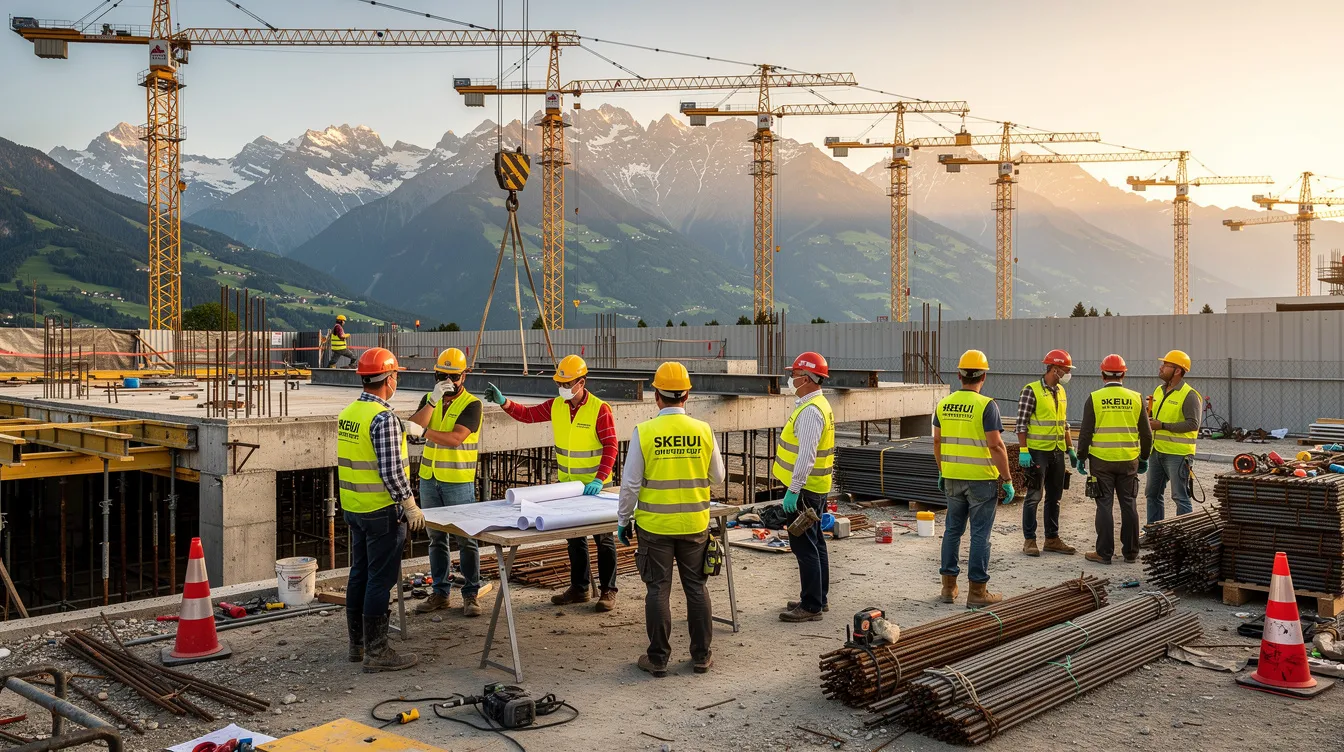
Construction wearables are devices worn by, attached to, or directly assigned to workers that monitor physiological status, movement, location, or environmental conditions to support jobsite safety. They differ from broader site technology because they focus on the worker level.
Examples can include:
What does not count as a wearable? Drones, fixed cameras, site-wide air monitors, and building information models may still support safer operations, but they are not worker-worn devices. That distinction matters because wearables raise different questions about comfort, privacy, alert fatigue, and worker trust.
In practice, the main purpose is immediate intervention. Alerts may go to the worker, a supervisor, or both. The point is not more data for its own sake. It is faster recognition of a developing issue so the crew can act before conditions worsen.
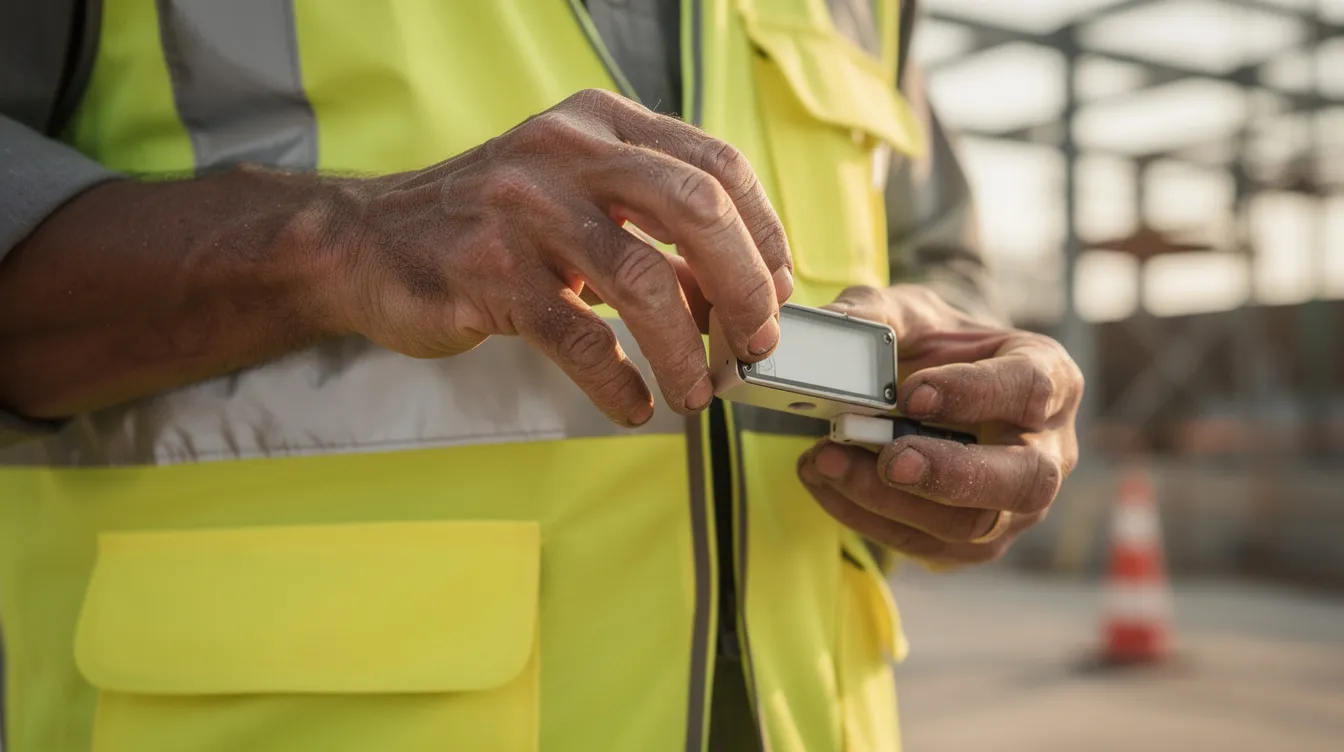
Contractors should start with one high-impact exposure rather than every possible feature. On Colorado and Wyoming jobsites, the use cases below are often the most practical places to evaluate wearables.
Heat stress monitoring. Wearables may help crews and supervisors spot signs of rising heat strain earlier, especially on summer pours, paving, roofing, enclosed work areas, or tasks requiring heavy PPE. That can support a broader heat illness prevention plan, but it does not replace water, rest, shade, acclimatization, or supervisory judgment.
Fatigue and exertion monitoring. On long shifts, remote work, shutdowns, or physically demanding assignments, some devices aim to flag patterns associated with overexertion or reduced readiness. Contractors should treat those alerts as prompts for a check-in, not as stand-alone proof that a worker is fit or unfit for duty.
Proximity alerts around equipment. Worker-worn tags or sensors can be useful where visibility is limited or equipment and foot traffic frequently intersect, such as laydown yards, congested urban sites, or industrial shutdowns. The strongest case is not that the device eliminates struck-by risk, but that it may add another layer of warning in areas where supervisors already know exposure is persistent.
Lone-worker and remote-area safety. Remote Wyoming projects, mountain infrastructure work, and dispersed industrial sites can create longer response times and thinner supervision layers. Man-down detection, automated check-ins, or location-aware alerts may help close some of those gaps.
Environmental exposure monitoring. In renovation, utility, mechanical-room, tunnel, or industrial work, worker-centered sensors may help identify changing gas, dust, or environmental conditions earlier than periodic observation alone.
The common thread is simple: wearables are most useful where a real exposure changes faster than ordinary observation can reliably catch it.
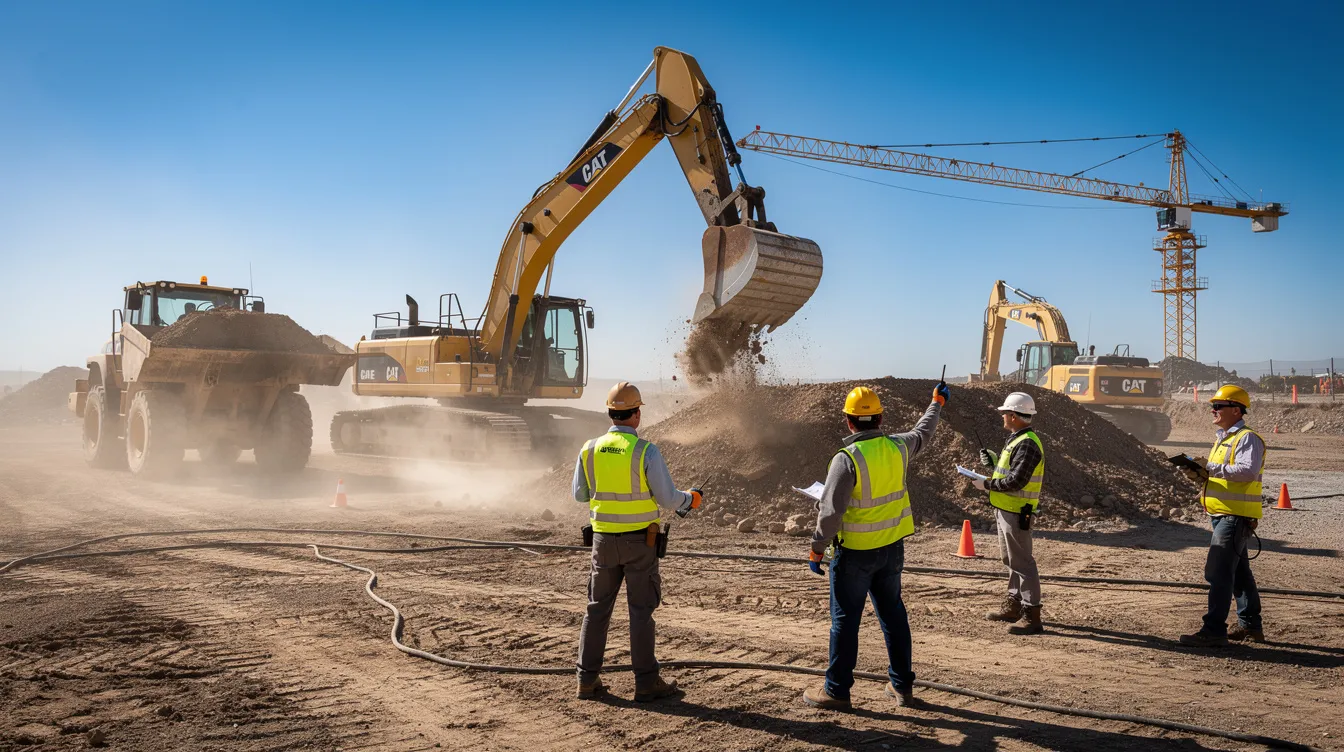
OSHA defines leading indicators as proactive measures that show whether safety and health activities are working and reveal potential problems before incidents occur. That is the most practical way to think about construction wearables.
If a crew generates repeated proximity warnings in one traffic area, that may point to a layout problem. If heat alerts cluster during a certain task or time of day, that may show the need to change pacing, staffing, break timing, or layering practices. If lone-worker alerts repeatedly fail because crews do not hear them or cannot respond, that may reveal a communications weakness rather than a device problem alone.
That is why wearable data should feed into daily huddles, pre-task planning, job hazard analyses, and supervisor coaching. Used well, alerts become early warnings that help teams make practical changes before a recordable injury occurs.
Wearables do not replace core controls. Guardrails, lockout/tagout, ventilation, training, PPE, competent supervision, and emergency response planning remain foundational. Wearables are best understood as one more source of earlier information inside that larger system.
Not every jobsite needs wearables. This checklist can help contractors evaluate whether a project is a reasonable fit.
Project profile. Is the work vertical commercial, industrial, civil, plant maintenance, or infrastructure? Does it involve high heat, remote work, elevation, dense worker-equipment interaction, or long periods without direct line-of-sight supervision?
Risk concentration. Focus on projects where a small number of tasks drive a large share of serious exposure, such as summer concrete work, busy equipment corridors, isolated service work, or shutdown activity with changing environmental conditions.
Existing controls and gaps. What is already in place, and where are supervisors still struggling to detect problems early enough? Wearables should solve a defined gap, not just add another dashboard.
Connectivity and logistics. Rural Wyoming projects may have weak cellular coverage. Dense urban sites may face signal interference. Battery life, charging routines, issue-and-return procedures, cleaning, and durability all matter.
Workforce readiness. Device acceptance depends heavily on communication, trust, language access, and whether frontline leaders can clearly explain the purpose. Contractors should also remember the evidence base is still developing. The U.S. Government Accountability Office has reported limited published evidence on the effectiveness of workplace wearables in improving safety outcomes, which is another reason to pilot them narrowly and evaluate field results honestly.
A good pilot is small, specific, and transparent. Rolling out devices across every project at once is more likely to create confusion than useful insight.
Start with one project, one risk, and one device type. For example, that may mean heat monitoring on one summer site or proximity alerts for one equipment-heavy work zone.
Set a defined pilot window. A 60- to 90-day pilot is often long enough to test routines, identify false alarms, and gather crew feedback across changing conditions.
Explain exactly what the pilot is for. Before deployment, tell crews what the device tracks, what it doesn’t, who sees the data, and how it will be used. If you frame the program as surveillance, trust will erode quickly.
Write alert-response rules before the pilot starts. Decide which alerts go to the worker, foreman, safety manager, or medic, and what each person is expected to do in response.
Plan the basics.
Create a feedback loop. Ask field users about comfort, false alarms, usability, and whether the alerts actually help them work more safely. A pilot tests more than hardware. It is testing whether the workflow makes sense on a real jobsite.
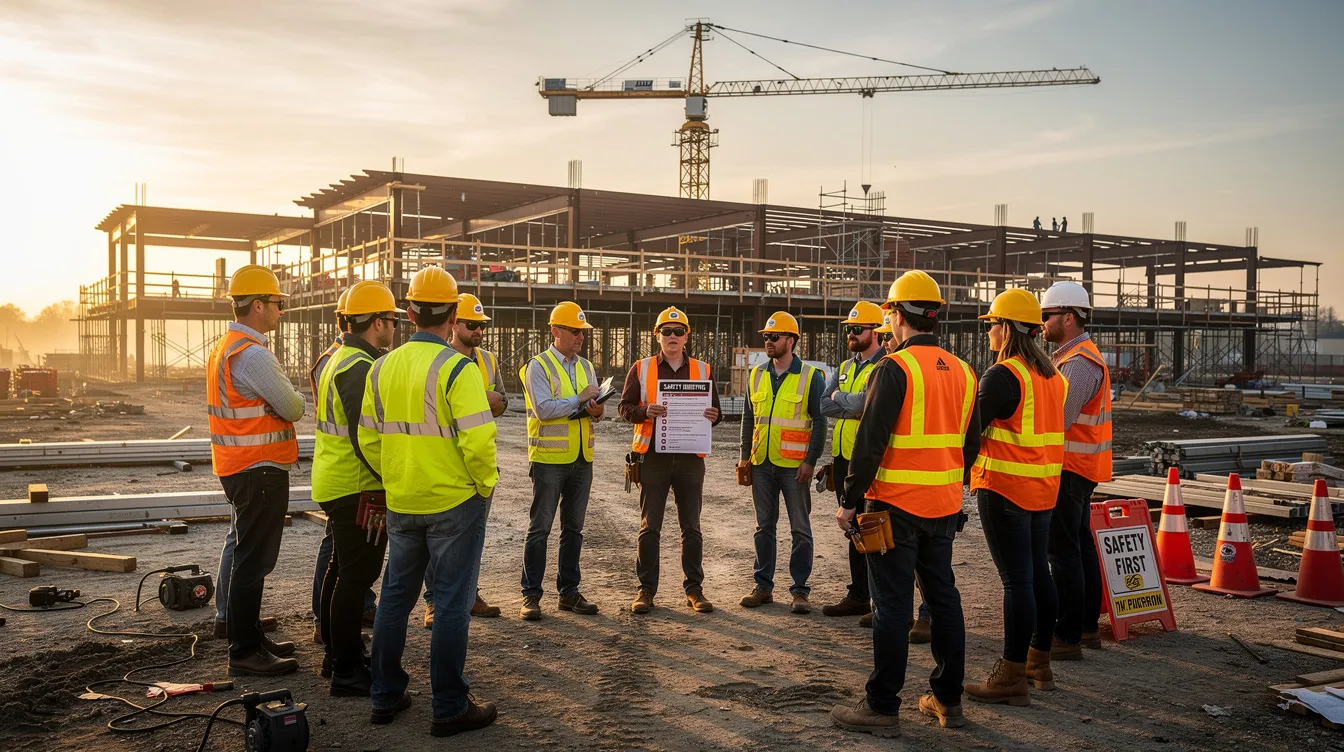
Data collection is often the point where wearable pilots succeed or fail. Contractors should set boundaries before devices go into the field.
Define the data scope. Be clear about what you collect, such as heat-related alerts, motion triggers, environmental readings, or proximity flags. If a data point isn’t needed for safety, don’t collect it.
Limit use. If the pilot is for safety, keep it for safety. Avoid turning a wearable trial into time tracking, discipline, or generalized worker monitoring without separate review and a clearly defined basis.
Control access and retention. Decide who can view alerts, summaries, and raw data; how long information is retained; and what role vendors play in storage or analysis.
Keep AI features in a support role. Some systems use artificial intelligence or pattern recognition to surface trends. That may help with review, but safety-critical decisions should remain human-led. If a tool’s output could affect hiring, discipline, job access, compensation, or other employment decisions, contractors should seek specific legal review rather than treat it like an ordinary safety workflow.
Involve workers early. Safety committees, supervisors, and field leaders should help shape policy before launch. Transparency builds adoption more than technical sophistication.
For contractors already thinking through digital-tool boundaries, ABC Rocky Mountain’s article on construction safety technology and AI offers a related framework.
Decide before launch how you’ll judge the pilot. Otherwise, every result becomes subjective.
Useful leading-indicator measures can include:
Use lagging indicators carefully. A short pilot may not change injury rates, especially on one project. Near misses, first-aid cases, or changes to JHAs may offer better short-term context than expecting a dramatic shift in the recordable rate.
Measure worker experience too. Ask whether crews found the devices acceptable, distracting, intrusive, helpful, or easy to ignore. If workers do not trust the system, scaling it will be difficult regardless of the technical results.
Measure operational friction. Track charging failures, connectivity problems, administrative burden, training gaps, and false alerts. A device that creates too much noise can weaken the safety value it was meant to add.
Use a simple decision framework.
| Outcome | Action |
|---|---|
| Clear safety value, workable routines, solid crew acceptance | Expand to similar projects or exposures |
| Mixed results, but fixable issues | Adjust thresholds, retrain, and extend the pilot |
| Low value, low trust, or high administrative burden | Pause and reassess before scaling |
Even a successful pilot should not remain a stand-alone tech experiment. If a device proves useful, fold it into existing safety planning and supervision.
Update procedures. If alerts require a field response, include that response in the relevant safety plan, JHA, or emergency procedure.
Train supervisors and crews together. Wearables work best when the field understands both the device and the response expectations.
Connect findings to other controls. If wearables consistently show a recurring problem, the long-term fix may be a layout change, a schedule adjustment, different staffing, or an engineering control, not simply broader device deployment.
Use peer learning where possible. ABC Rocky Mountain members can compare approaches through chapter safety resources and STEP-related conversations, which may be more useful than relying only on vendor claims.
For readers wanting broader context, ABC Rocky Mountain’s wearable safety technology article and its construction safety technology hub show where wearables fit among other jobsite tools.
Construction wearables make the most sense when they are tied to one real exposure and tested through a disciplined pilot. The contractors most likely to get value are the ones that start small, define boundaries early, and judge the results against field reality rather than product demos.
To connect that pilot to a stronger chapter-based safety process, explore ABC Rocky Mountain resources related to STEP, training, and peer learning. Wearables are most useful when they support a stronger safety system, not when they try to become one.
Below are answers to common questions about this topic.
They can be, especially if the contractor starts with a narrow pilot focused on one crew, one project, or one recurring exposure. A smaller firm does not need a companywide rollout to learn whether a device improves earlier hazard recognition on its jobsites.
They can if you don’t check compatibility first. Contractors should field-test any device with required hard hats, high-visibility clothing, fall protection, gloves, eyewear, and seasonal layers before deployment. A wearable should not compromise the performance of existing protective equipment.
It may, depending on what is collected, how it is stored, and how the contractor documents the program. That is one reason to define retention, access, and reporting practices before launch and involve the right internal stakeholders early.
That depends less on the device category than on communication, comfort, false-alert rates, and whether workers believe the tool is there to protect them rather than monitor them. Acceptance usually improves when crews help shape the pilot and see consistent, practical responses to alerts.
Yes. Contractors should ask vendors how devices perform under wide temperature swings, changing weather, layered PPE, and physically demanding conditions. A product that looks strong in a brochure still needs to prove it can function reliably in the field conditions your crews actually face.


