


For commercial contractors across Colorado and Wyoming, every dollar of margin is earned twice: once in the estimate and once in the field. Construction technology adoption focused on asset management is no longer a back-office upgrade. It is a front-line margin strategy.
Construction technology adoption centered on fleet, tools, and building materials handling is now a core profit-protection lever for Colorado and Wyoming contractors. With input costs rising over 7% year over year across the Rocky Mountain region and steel tariffs holding at 50%, the gap between a well-managed yard and margin erosion has never been narrower.
Smarter construction equipment uptime, jobsite inventory tracking, and disciplined maintenance can cut emergency rentals, reduce cost overruns, and stabilize profit on construction projects across Denver, the Front Range, Northern Colorado, Colorado Springs, and Wyoming. Economic, organizational, and technological factors influence construction technology adoption, but it doesn’t have to be complex. Telematics, QR or RFID tagging, and simple maintenance software can deliver fast wins when tied to a clear procurement strategy and yard accountability.
Thin net margins in the construction industry, persistent cost overruns, and labor shortages across Colorado and Wyoming have turned day-to-day asset decisions into C-suite issues. Denver input costs rose roughly 10.4% year over year in early 2026, and Colorado’s average tariff rate on all imports jumped from about 3% to 21% between 2024 and 2025. Labor shortages in the construction industry increase the appeal of automation and robotics, and the need for improved project efficiency drives technology adoption in construction. Client demand for modern deliverables also encourages technology adoption in construction projects, pushing contractors toward tighter operational control.
Construction technology adoption aimed at asset management connects directly to profitability by reducing idle equipment, rental dependence, and schedule delays that erode bids on commercial and industrial work. This article focuses on the “yard and fleet” side of construction technology, complementing broader data science and AI topics already covered by ABC Rocky Mountain. Treating asset management as a margin strategy changes how leaders prioritize tools, staffing, and training around equipment and inventory decisions.
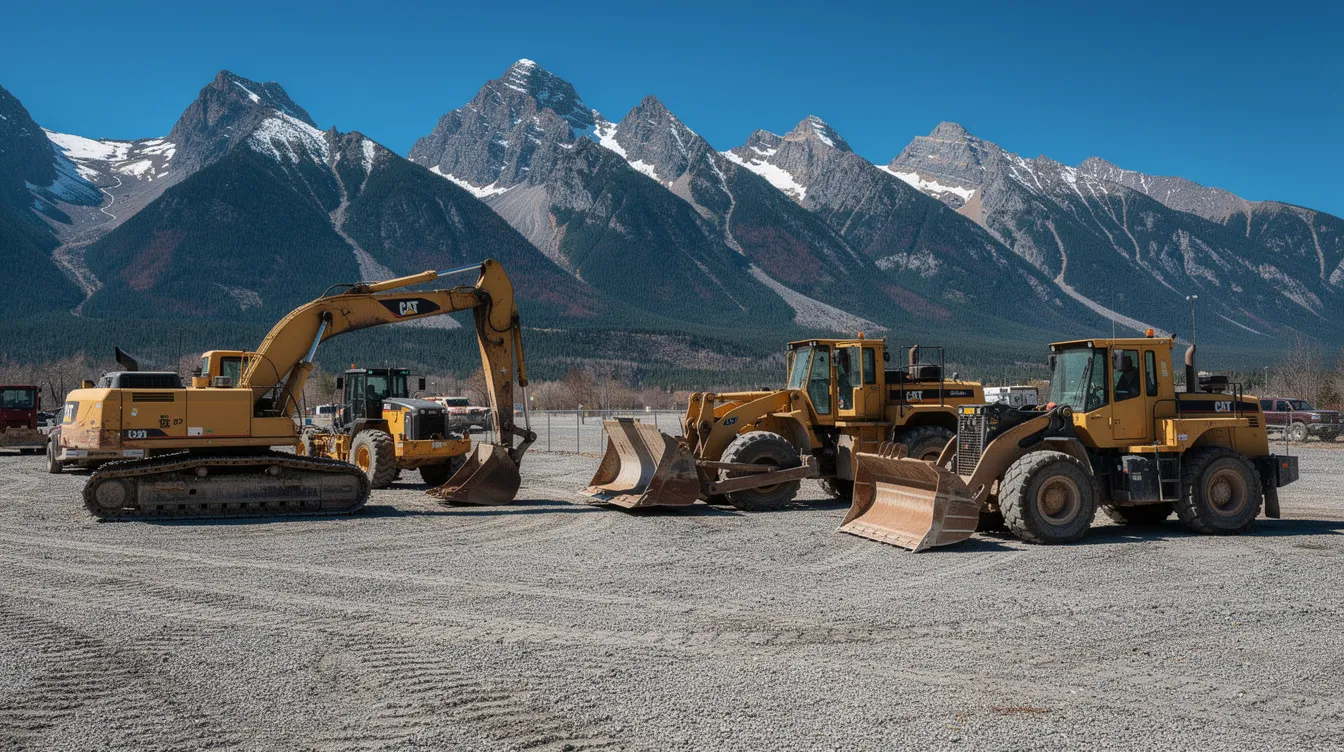
Across ABC Rocky Mountain’s two-state service area, common margin leaks follow familiar patterns: missing tools on job sites, underutilized equipment parked in Denver yards while crews rent the same class of machine in Colorado Springs, last-minute rentals on the Front Range, and unplanned downtime on remote Wyoming construction projects. Industry data shows that 52% of rework stems from insufficient project data and miscommunication, and 60% of general contractors cite communication breakdowns as a productivity issue. These are not abstract numbers; they show up on every project closeout where estimated margins have faded.
Specific failure modes that hit Rocky Mountain contractors hardest include:
These problems multiply when contractors operate across multiple counties and states, with assets moving between Colorado and Wyoming and visibility gaps growing as crews spread out. Every one of these failures is a margin leak that better resource allocation and construction technology can address.
This section outlines a practical stack of construction technology focused on tools that most mid-sized commercial construction companies in Colorado and Wyoming can deploy in the next one to three years. Nearly 60% of construction organizations now use fleet management or telematics solutions on at least some projects, and that number is climbing.
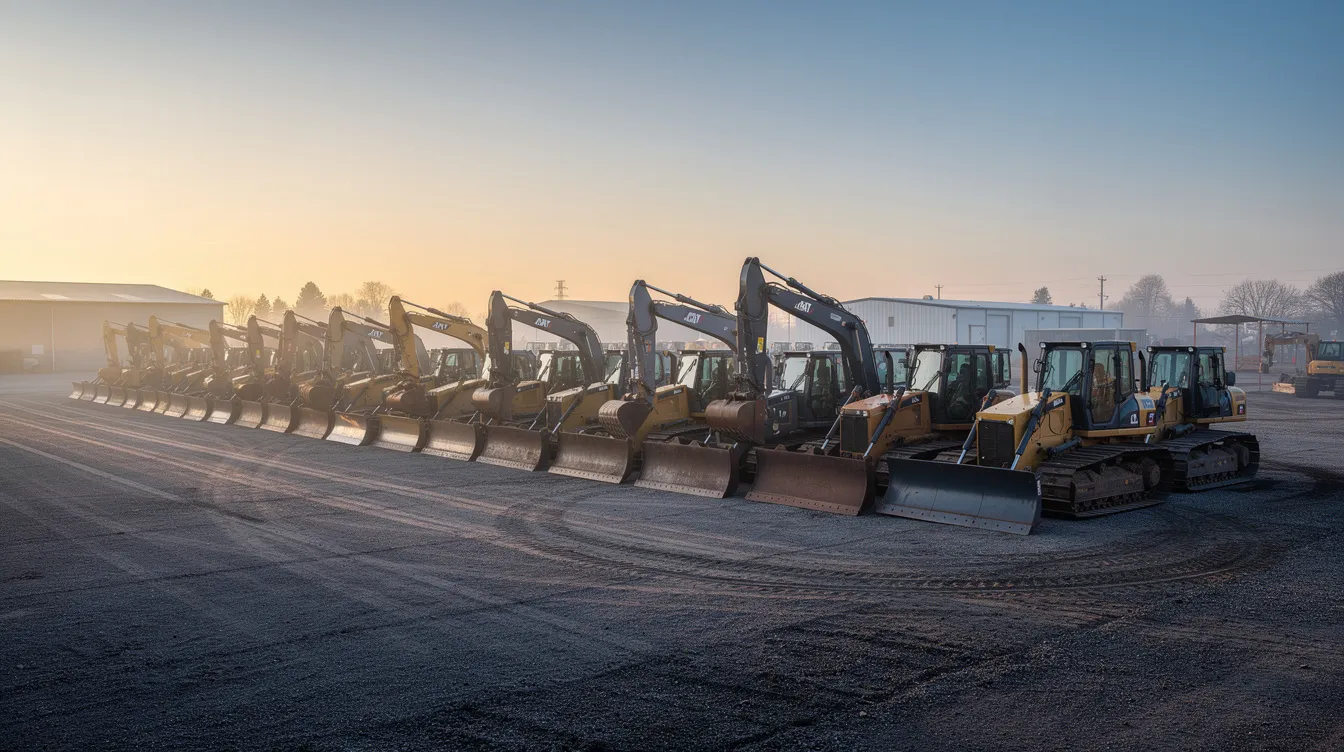
Telematics and GPS tracking form the foundation for better construction fleet management. Utilization reports, engine-hour tracking, and geofencing reduce idle iron, improve equipment uptime, and flag underused assets that could be sold or redeployed. Real-time tracking of heavy equipment across Denver metro, Northern Colorado, and Wyoming gives operations leaders the data to optimize resource allocation across dispersed construction sites.
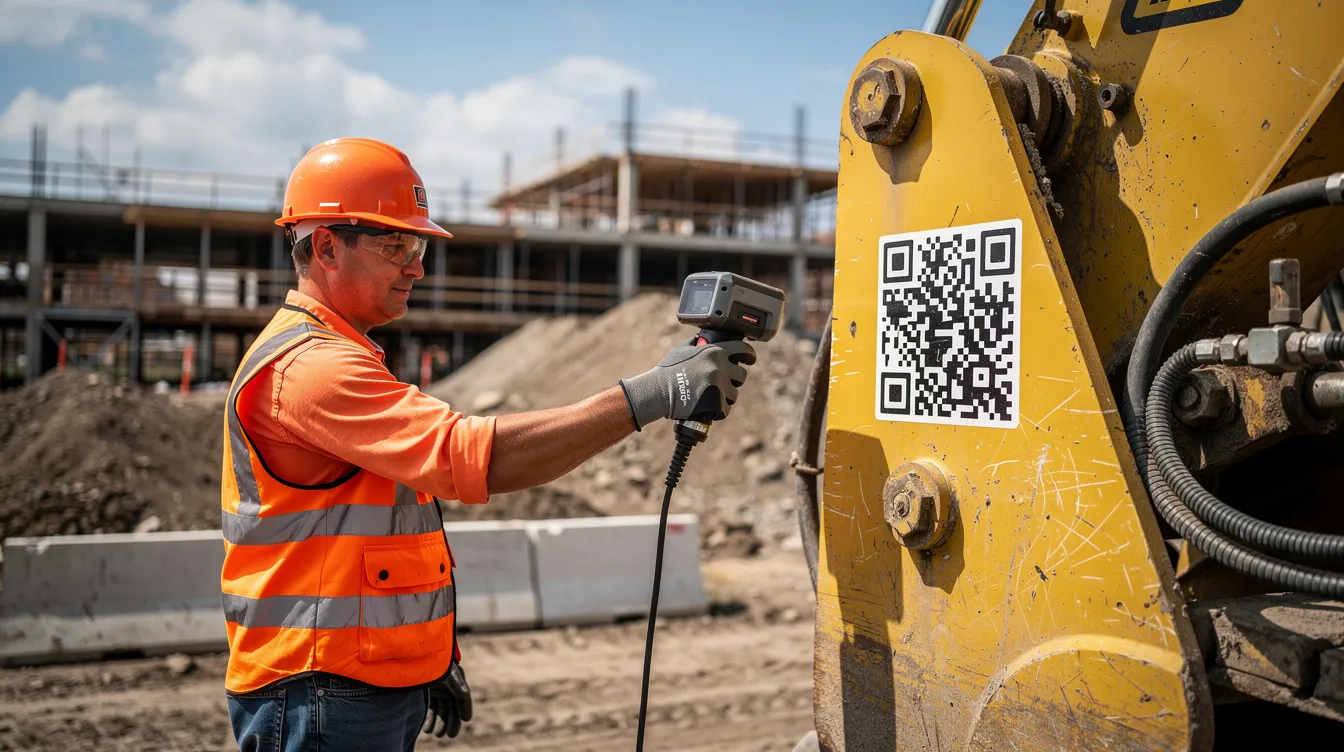
QR code or RFID tagging for tools, small equipment, and high-value building materials pallets enables digital check-in and check-out workflows. These limit loss, support accountability by crew or superintendent, and speed up jobsite inventory tracking without adding paperwork. One national contractor achieved a 90% utilization rate on formwork units using QR-based tracking and mobile transfer modules.
Computerized maintenance management systems or simple management software standardize preventive maintenance intervals, automate reminders, and provide a clear record for warranty and regulatory compliance on cranes, lifts, trucks, and specialized gear. A 500-vehicle construction fleet using integrated telematics and maintenance software achieved a 40% reduction in maintenance cost over 18 months.
Dashboards and reporting, either within existing project platforms or fleet tools, give executives a single view of fleet health, open work orders, and utilization by region. Construction management software centralizes project information for efficiency, and 32% of owners and contractors use internally developed tools to fill gaps that commercial products do not address. Building information modeling software integrates with cloud platforms like Procore and Autodesk to provide centralized project access, and when asset data is connected to these platforms, project managers gain a centralized platform for informed decisions about task allocation and resource requirements.
Fragmentation in the construction industry complicates technology integration among diverse stakeholders, and interoperability and data integration challenges hinder the seamless use of construction technology. But once data is captured consistently, AI enhances predictive maintenance and improves safety monitoring in construction, and machine learning can help predict parts demand, replacement timing, and optimal procurement windows.
Volatile prices for steel, aluminum, copper, electrical components, and other building materials complicate estimating and procurement for Rocky Mountain contractors. Wyoming’s steel and aluminum tariffs sit at 50%, copper pipe prices have surged 30% to 40%, and material costs in Colorado have risen an estimated $7,500 to $10,000 or more on single-family construction projects alone. These pressures hit hardest on federal, industrial, and large commercial building projects with long project timelines.
Better asset visibility makes construction procurement strategy more precise. When contractors know exactly what is in the yard and on each jobsite, they can time bulk buys, avoid rush orders, and align material deliveries with realistic equipment availability and installation schedules. Accurate asset and inventory data supports stronger procurement risk management: firms can lock in prices earlier, negotiate better terms with suppliers, and reduce exposure to sudden tariff changes that push up material costs mid-project.
Smarter asset management also informs capital planning. Extending the life of existing equipment through disciplined maintenance can defer new purchases until price spikes ease, preserving cash and protecting margins. High initial investment strongly deters adoption of construction technology, but the cost of inaction rises when tariff pressure compounds every deferred maintenance decision and every emergency rental.
Colorado and Wyoming contractors should build simple cross-functional workflows between operations, procurement, and estimating so data from fleet and inventory systems directly informs bid assumptions, escalation clauses, and contingency planning across the entire project lifecycle.
This section is intentionally tactical. These are steps commercial contractors can start in a single quarter to tighten asset control and protect margins without major system overhauls.
Technologies that require minimal training are adopted faster, so start with tools field teams can use without steep learning curves. Enhancing communication between shop, field, and office during any pilot is as important as the technology itself.
Owners and executives support construction technology adoption when they see a clear return on investment. Unclear return on investment can slow adoption of new technology in construction companies, so asset management metrics must translate into margin impacts that finance and leadership understand.
Quantify cost savings from reduced rentals by comparing historical rental spend on specific equipment classes to projected usage once telematics and maintenance programs are in place. Even modest improvements in construction equipment uptime and faster repair turnaround lower overtime, reduce schedule extensions, and minimize change-order disputes, helping teams increase productivity while protecting estimated margins on complex construction projects and improving project outcomes.
A concise KPI dashboard for asset management should include:
| Metric | What It Measures | Why It Matters |
|---|---|---|
| Utilization rate by equipment class | Active hours vs. calendar hours | Identifies idle iron that costs money |
| Preventive maintenance compliance % | PMs completed on schedule | Reduces emergency repairs and downtime |
| Average days out of service per asset | Repair turnaround speed | Flags bottlenecks in maintenance workflow |
| Tool loss rate by project | Missing tools per jobsite | Quantifies a common hidden cost |
| Rental spend as % of revenue | Dependence on outside equipment | Tracks progress toward self-sufficiency |
Active leadership support is critical to successfully implementing new technologies in construction. Encourage leaders to share early wins internally, such as a Denver project where better tracking eliminated a crane rental extension, so field leaders see asset management as a tool that supports rather than burdens their crews. These valuable insights improve productivity and help the organization remain competitive.
Better asset management supports worker safety, quality, and workforce development, which are central priorities for ABC Rocky Mountain members. OSHA data shows falls are a leading cause of construction fatalities, and equipment failures contribute to incidents that disciplined inspection and maintenance workflows can prevent. Wearable devices and IoT sensors help lower on-site accidents by nearly 30%, and wearable tech improves construction safety with real-time data that complements asset management systems.
Consistent asset and maintenance data can inform Construction Quality Management for federal work, helping contractors demonstrate control over critical equipment and materials on USACE and NAVFAC projects. Regulatory pressures can influence the adoption of construction technology by establishing compliance standards that favor firms with documented maintenance histories and digital inspection records.
Training improves workforce efficiency and productivity in construction, and investing in employee training enhances construction project outcomes. Training on new technologies is crucial for workforce safety, and effective training reduces labor shortages in the construction industry by making existing crews more capable. Apprenticeship and craft training programs delivered through CITC and the Wyoming Electrical Apprenticeship Education Program can incorporate technology skills related to telematics, digital inspections, and maintenance documentation, so apprentices see asset management as part of professional construction practice.
Firms should connect asset management initiatives with existing safety training, toolbox talks, and ConstructionU or United Academy courses. AI enhances safety monitoring in construction projects, and 55% of contractors use drones for construction safety, representing a $10 billion industry enhancing construction site safety. Drones are just one example of how construction technology, when paired with sustainable construction practices, can improve efficiency and protect workers at the same time. The global 3D printing market for construction was $3.5 billion in 2022 and is projected to exceed $523 billion by 2030, showing how rapidly the broader construction technology landscape is evolving alongside asset management tools.
Many Rocky Mountain contractors feel overwhelmed by the number of construction technology options. Construction technology adoption relies on tools addressing specific site problems effectively, not on adopting technology for its own sake. A phased approach keeps the focus on measurable margin improvement and avoids the trap of chasing every trend.
Phase one: Standardize data capture using spreadsheets or existing project platforms. Identify baseline metrics for utilization, rental spend, downtime, and tool loss across your construction sites. 52% of construction rework stems from insufficient project data, so getting this foundation right is essential to completing projects on time and on budget.
Phase two: Add targeted tools like GPS tracking or maintenance software for high-impact asset classes. Automated payroll systems can reduce 20 hours of work to 30 minutes, illustrating how even modest automation delivers outsized returns on routine tasks. BIM software integrates with cloud platforms for centralized project access, creating a centralized platform that connects project information with asset data.
Phase three: Integrate these systems into broader project and financial platforms as experience grows. Information modeling and advanced analytics become practical once the data foundation is solid.
Workforce skills and cultural resistance are major barriers to technology adoption in construction. Inadequate training on new systems will undermine even the best tools. Form a small internal working group that includes operations, field supervision, accounting, and safety. Task them with piloting one or two asset-focused workflows on upcoming bids or active projects. Establish clear success criteria, such as a target reduction in rental usage, fewer lost tools, or improved on-time project completion, so the organization can decide whether to expand based on evidence. Enhancing collaboration between these groups is what separates successful pilots from failed ones.
ABC Rocky Mountain serves as a regional partner for construction companies looking to align construction technology adoption with merit shop principles and profitable growth. The chapter’s education offerings, including ConstructionU, United Academy, and CITC apprenticeship, can integrate training on digital tools for asset management, maintenance documentation, and jobsite inventory tracking.
Safety programs like STEP and the Safety Peer Group provide venues where members share effective strategies on equipment inspections, digital checklists, and technology-enabled safety oversight that also improve uptime and quality. ABC Rocky Mountain’s advocacy and Construction Day at the Capitol keep members informed about regulatory and market shifts in Colorado and Wyoming that affect equipment ownership costs, public work requirements, and technology investments.
Contractors should explore membership, engage with the chapter’s technology and business-support resources, and use networking events to compare real-world experiences with asset management tools that have protected margins on local building projects.
In today’s Rocky Mountain construction market, better asset management through targeted construction technology adoption is one of the fastest ways to protect thin profit margins and streamline operations. Necessary adjustments do not require a massive capital outlay or a multi-year implementation timeline.
Start by running an asset audit within the next two weeks. Bring operations, fleet, and finance stakeholders into one room to review current rental spend, downtime, and tool loss data. From there, choose one or two high-impact technology tools, define KPIs aligned with project goals, and launch a 90-day pilot on a specific project or region. This risk assessment and planning step catalyzes sustainable practices in asset management.
Document before-and-after results from pilots and share them with ABC Rocky Mountain peers through committees, events, or case studies. The regional merit shop community benefits when contractors share which approaches deliver the strongest return, helping everyone win work and remain competitive. This collective discipline brings many benefits.
Colorado and Wyoming contractors who treat fleet, yard, and inventory management with the same discipline as labor, safety, and estimating will hold a competitive advantage and be better positioned to compete, regardless of how tariffs or material prices move in the coming years.
The following questions address common concerns Colorado and Wyoming contractors raise about adopting margin-focused construction technology and managing assets.
Asset-focused tools concentrate on equipment uptime, fleet utilization, maintenance, and jobsite inventory tracking. General project management platforms focus on schedules, RFIs, documents, and enhancing communication among stakeholders. Both layers should eventually connect, but they can be adopted on separate timelines. The business case for asset tools is built on cost-reduction outcomes like fewer rentals and less downtime rather than document workflow improvements.
Even firms with modest fleets benefit from simple GPS tracking, QR-based tool checkout, or maintenance reminders. A single avoided rental extension or prevented equipment failure on a remote Wyoming project can pay for basic tools in one quarter. When construction project margins are tight, every prevented disruption matters. Project managers at smaller firms often see faster returns because they can implement changes with less organizational friction.
Many contractors start to see measurable gains within one or two project cycles. Reduced rentals, fewer lost tools, and improved on-time project completion are typical early wins, provided they track baseline metrics, set clear targets, and focus initial efforts on the most problem-prone equipment classes or regions. Preventing delays on even one project can justify the investment.
A cross-functional approach works best. Operations and fleet managers lead day-to-day decisions, finance validates ROI and capital planning impacts, project managers provide jobsite feedback, and executive leadership sets priorities and ensures alignment with broader construction operations efficiency goals. Without this structure, technology investments risk becoming isolated experiments that fail to meet project timelines or deliver organization-wide cost savings.
Start with ABC Rocky Mountain’s existing resources on data science in construction and technology in construction. These resources explain how AI and machine learning build on solid data foundations from asset tracking and maintenance systems. Treat advanced analytics as a second-stage step after basic visibility and discipline are in place. 55% of contractors use drones on their projects today, showing that the industry is already adopting technology at scale, and asset management AI will follow the same adoption curve once underlying data quality improves.


