Milwaukee PIPELINE 2026 put a spotlight on where construction safety technology is heading next, and Colorado and Wyoming contractors need to pay attention. The event revealed tools and systems designed to embed safety directly into field workflows rather than bolt it on as an afterthought. For Rocky Mountain firms balancing growth, tight labor markets, and rising safety expectations, these signals translate into real operational decisions over the next 12 to 24 months.
Key Takeaways
Milwaukee PIPELINE 2026 confirmed that construction safety technology is accelerating from trade show novelty to field standard. Here is what matters most for Colorado and Wyoming contractors right now.
- Construction safety technology, including smart vests and drones, is moving rapidly from demo to daily use. Wearables, connected tools, AI-driven safety analytics, and aerial inspection platforms now provide real-time insights on construction sites that were impossible five years ago.
- Construction firms using technology can reduce injuries by 59%, making the investment case far more than theoretical for companies operating in high-risk areas across Denver, the Front Range, and Wyoming energy corridors.
- Rocky Mountain contractors should treat trade show announcements as field intelligence, not marketing. Focus on technologies that genuinely reduce falls, struck-by incidents, rework, and supervision burden rather than chasing every gadget that sounds great on a demo floor.
- ABC Rocky Mountain Chapter helps members turn these tools into safer project management through programs such as the STEP Safety Management System, Safety Peer Group, and Data Science in Construction resources.
- This article delivers a 90-day pilot checklist so project leaders, safety directors, and construction companies can test one high-impact workflow without disrupting production.
What PIPELINE 2026 Signals for Rocky Mountain Contractors
Milwaukee PIPELINE 2026 is Milwaukee Tool’s invitation-only, one-day innovation showcase held at its Milwaukee headquarters. As Construction Executive reported in its 2026 coverage, media and industry guests preview both released and still-embargoed tools, getting hands-on access to what will define job sites in the near future.
Several signals from the event matter for Rocky Mountain decision makers:
- The “disruptive innovation” theme highlighted rapid prototyping, virtual reality testing, and tight feedback loops with actual tradespeople. Milwaukee’s product teams can iterate within 24 hours of field input, compressing the timeline from concept to jobsite-ready hardware.
- New products like the ROLL ON 7200W/6.0 kWh Power Supply (a PACKOUT-compatible alternative to diesel generators) and an M18 FUEL circular saw with auto-stop kickback prevention and automatic dust extraction signal a shift toward safety embedded in tools themselves.
- Milwaukee’s “seven pillars of safety” framework (dust, vibration/noise, ergonomics, safety technology, visibility, emissions, PPE) pushes the construction sector toward systems-driven safety rather than reactive compliance.
For the construction industry in Colorado and Wyoming, these signals land at a critical moment. Denver metro, the Front Range, Northern Colorado, Colorado Springs, and key Wyoming markets are juggling commercial and industrial growth, federal and military projects, labor pressure from retirements, and tighter regulatory expectations.
This article is not an event recap. It interprets trade show signals into practical guidance on construction safety technology selection, project planning, and workforce strategy for Rocky Mountain firms. ABC Rocky Mountain, a merit shop trade association serving 60 counties across the two states, provides the regional safety training, construction technology insight, and workforce development resources that help members act on intelligence like this.
From Demo Floor to Daily Use: Which Safety Technologies Matter Now
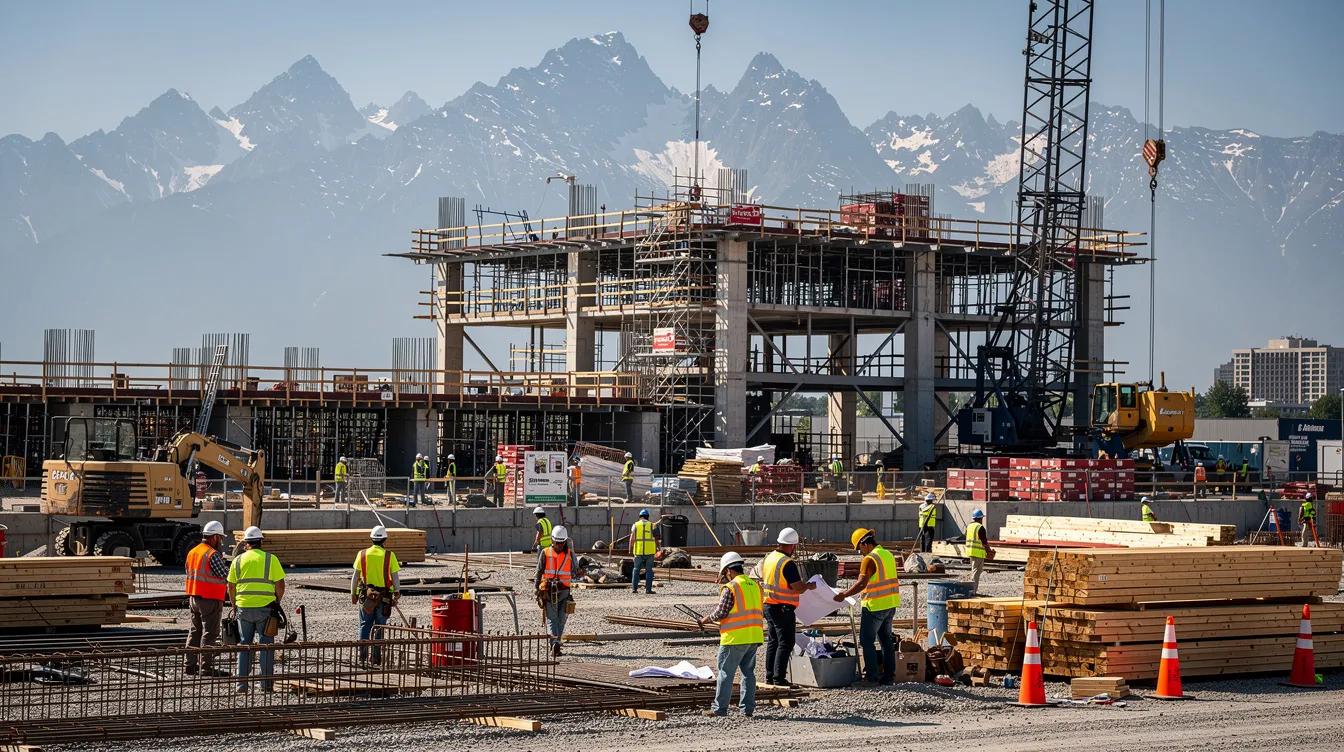
Many tools shown at PIPELINE 2026 will not be field-ready for years. The question for Colorado and Wyoming general contractors and specialty firms is which categories of construction safety technology are mature enough to pilot between late 2026 and 2028. Several stand out.
- Wearables. Smart vests and helmets can detect falls and monitor fatigue levels in workers. Wearable technology tracks vital signs and alerts supervisors in case of emergencies. Smart wearables also monitor core body temperature and sweat loss to prevent heat stress, which is particularly relevant at Colorado’s high-altitude sites and during Wyoming’s summer field seasons. On Denver infill projects or Front Range rooftop work, wearables detecting proximity to unguarded edges can reduce fall incidents before they happen.
- Connected tools. Systems like Milwaukee’s ONE-KEY auto-log torque, usage, and operational status, giving project managers visibility into maintenance, potential misuse, and compliance. For example, a high-torque tool in a Colorado Springs fabrication shop or a saw triggering dust collection without manual action embeds safety into the process without adding steps.
- Drones. Drones conduct safety inspections without endangering personnel, and construction drones can generate 3D models and aerial imagery for progress tracking and hazard identification. Drones can expedite construction processes, saving significant time on tasks like stockpile measurement, roof inspections, and edge protection verification.
- AI-enabled cameras. Computer vision systems flag PPE compliance issues, detect line-of-fire risks, or identify missing guardrails from video feeds. AI and machine learning algorithms flag safety violations in real time, generating alerts when a worker enters a risky zone.
- Digital permits and checklists. Digital safety management platforms enable instant incident reporting and hazard tracking, replacing paper-based systems that rely on end-of-day reviews. These feed real-time dashboards that safety directors and project managers can access from any location.
The difference between practical solutions and “innovation theater” comes down to field integration. Tools that work with existing workflows, operate in gloves and PPE, survive harsh Colorado winters, support bilingual crews, and function offline at remote Wyoming sites will get used. One-off gadgets that require extra chargers or constant connectivity will end up in a trailer drawer after the first month. ABC Rocky Mountain’s Data Science in Construction resources help contractors understand how these tools connect to broader construction technology and data-driven decisions.
Investing in safety training and the right technology can reduce injuries by 59%, but only when adoption is disciplined and grounded in actual field conditions.
Construction Safety Technology That Directly Reduces Critical Risks
Construction accounts for about 1,100 fatalities per year in the U.S. Construction safety technology reduces accidents by shifting strategies from reactive investigation to proactive prevention. Mapping specific technologies to OSHA’s construction focus areas and ABC Rocky Mountain priorities clarifies where to invest first.
- Falls. Fall detection wearables and automated anchor-point tracking via RFID or sensor networks reduce edge-fall exposure. Drones or AI vision systems can inspect rooftop anchors, scaffolding, and temporary edge protection before crews access high-risk areas. Smart vests and wearables enhance worker safety on sites where leading edges are a constant concern.
- Excavation and trenching. Sensors detecting soil movement or groundwater buildup, combined with 3D modeling to locate utilities, improve hazard recognition before anyone enters a trench. Remote cameras and remotely controlled machines reduce collapse-related exposure.
- Confined spaces. Gas detectors with wireless transmission and access control tags ensure only authorized, properly equipped personnel enter. Robots can handle dangerous, repetitive tasks, minimizing human exposure to risks in enclosed environments.
- Struck by. AI vision systems monitor crane and rigging operations to detect swinging loads. Proximity sensors on tools and equipment, paired with telematics and machine guidance, improve navigation precision in construction and reduce collision risk. Autonomous software kits are retrofitted to heavy equipment to remove operators from high-risk zones.
- Ergonomics. Exoskeletons can reduce the physical load on workers during demanding tasks. AI-powered exoskeletons reduce fatigue and lower the risk of chronic strain injuries across trades like concrete finishing, masonry, and mechanical installation.
Real-time alerts and digital pre-task plans improve hazard recognition and response speed compared with paper-based systems. Instead of waiting for end-of-day inspection reports, field teams get immediate warnings documented automatically, improving accountability and follow-up.
ABC Rocky Mountain’s STEP Safety Management System and Safety Peer Group help members embed these digital tools into a broader safety culture rather than treating them as standalone gadgets. Technology supports, but never replaces, superintendent and foreman leadership, coaching, and accountability on construction sites.
Drones, Cameras, and Connected Sites: Visual Safety Tools in the Rockies
Drones and fixed cameras have moved from niche equipment to standard visual safety solutions on many construction sites. Their growing role in hazard identification, progress documentation, and claims defense makes them a significant investment for Colorado and Wyoming firms. The global construction drone market is projected to reach $19 billion by 2032, reflecting how quickly adoption is scaling.
- Drones improve safety by performing aerial inspections in hazardous areas and accessing hard-to-reach areas for inspections that would otherwise require scaffolding, lifts, or rope access. They identify structural weaknesses during safety inspections and provide real-time footage of construction site incidents. Drones enhance safety by monitoring site conditions remotely, giving safety directors eyes on multiple job sites simultaneously.
- Drones enhance data accuracy for measurements and assessments, feeding directly into project management systems and construction software. This gives project managers and safety directors real-time dashboards of high-risk zones, access points, and housekeeping issues across large or multi-level sites.
- Practical regional concerns matter. High-altitude weather in Colorado mountains, wind on the Front Range, and winter conditions in Wyoming affect drone selection, flight planning, and redundancy for safety inspections. Contractors need rugged hardware with extended battery life and the capability to operate in limited visibility.
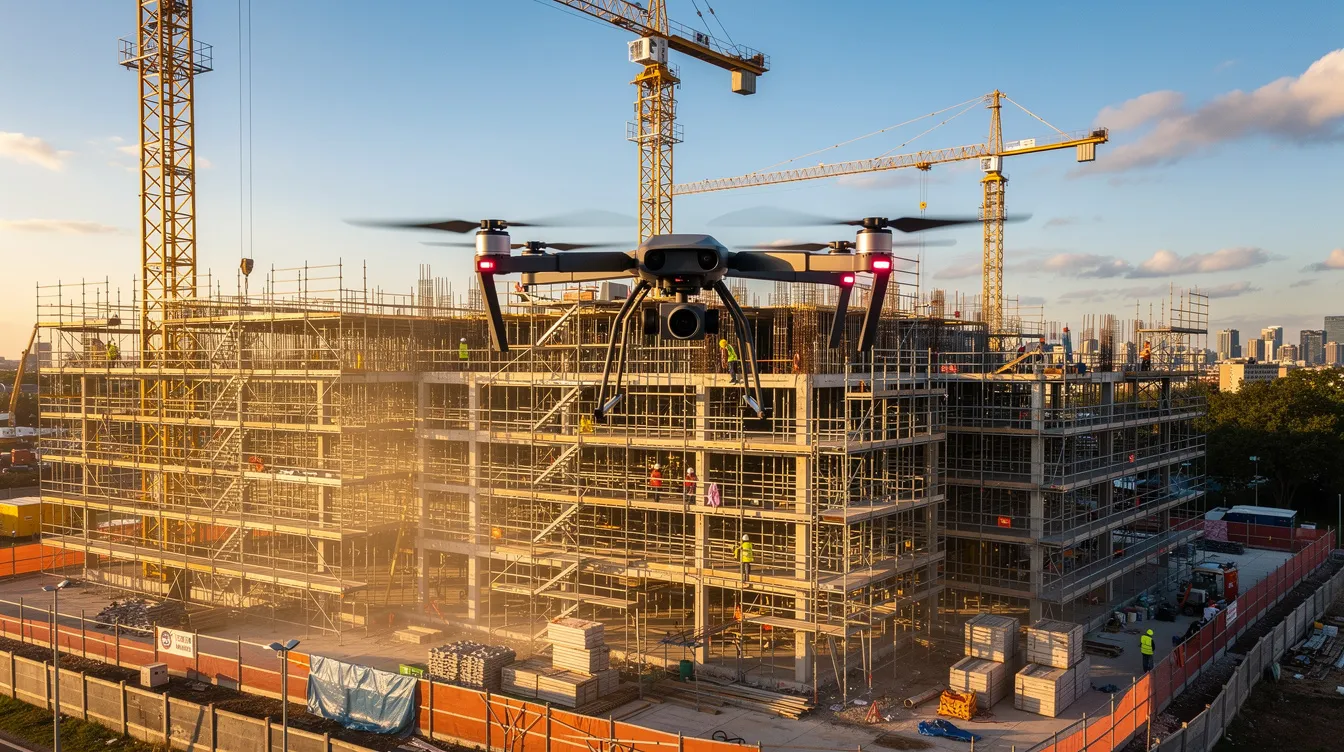
For example, a Denver contractor running routine drone flights for weekly safety walks, pre-pour checks, or documenting temporary edge protection on a downtown project can compress what used to be a half-day superintendent walk into less time with better data. That is resource management that improves both safety and schedule reliability. ABC Rocky Mountain’s prior coverage of safety technology and drones explores how these platforms support inspections, stockpile measurement, and real-time situational awareness.
AI, Data, and Digital Safety Workflows
AI in construction is shifting from a buzzword to a behind-the-scenes engine for analyzing incident reports, near misses, and field observations, turning them into actionable risk trends for project teams. The construction industry is shifting to proactive, data-driven safety protocols, and predictive software analyzes data to forecast when accidents are likely, enabling teams to intervene before incidents occur.
- Automated analysis of daily reports surfaces leading indicators that human review often misses, especially across multiple projects.
- Computer vision flags missing guardrails, missing PPE, or unsafe proximity in video feeds, generating compliance alerts without requiring a supervisor to be physically present at every point.
- Predictive scheduling models identify when high-risk tasks (roof deck, formwork, crane lifts) are approaching, so extra supervision, inspection, and resources can be planned into the schedule.
- Natural language tools standardize incident narratives, making trend analysis across projects and teams possible for the first time at many mid-sized construction firms.
ABC Rocky Mountain’s guidance on construction technology adoption and practical AI playbooks encourages members to see safety as one of the first and most valuable AI use cases, not a future aspiration.
Data privacy, ownership, and security must be addressed up front. Federal, military, and critical infrastructure projects in Colorado and Wyoming often carry strict contract requirements around video data storage, worker location data, and retention. Companies must confirm compliance before selecting vendors. Small and mid-sized contractors can plug AI-enabled features into existing tools and software rather than building custom systems from scratch.
How Safety Directors and Superintendents Should Lead Tech Adoption
Safety directors, superintendents, and foremen are the gatekeepers who determine whether any new construction safety technology actually gets used day to day on construction sites. Without their buy-in, even the best tools fail.
- Involve field supervisors in early demos and selection, not just purchasing and IT personnel. If the superintendent does not see the point, crews will not either.
- Run tech-enabled toolbox talks. Construction safety training includes educating workers on safe practices, and pairing new digital tools with existing morning briefings makes adoption natural rather than forced.
- Pair seasoned craft professionals with younger “tech champions” who can troubleshoot and encourage adoption across teams. This better communication between generations keeps projects on track.
- Tie digital safety tasks to existing pre-task planning routines so they feel like an improvement, not an addition.
- Use real job stories, not abstract dashboards, to show how new tools prevent incidents. For example, catching a missing midrail before a concrete pour on a Front Range project makes the value concrete and immediate.
- Virtual and augmented reality are standardizing safety onboarding in construction. HR and workforce development staff should coordinate with safety teams so that CITC apprenticeship training, Wyoming electrical apprenticeship, and ConstructionU courses introduce core digital safety workflows from day one.
Real-time data and mobile apps reduce frustration over duplicate forms and unclear expectations, closing the gap between office and field personnel.
Evaluating New Safety Tech: A Rocky Mountain Buyer’s Checklist
Not every construction safety technology showcased at trade events will be the right fit. Colorado and Wyoming leaders need a disciplined evaluation framework before committing budget to any new tool. Effective safety programs require both hardware and software solutions, and the checklist below helps ensure you are buying capability, not just marketing.
| Evaluation Criteria |
Key Questions |
| Risk alignment |
Does this tool address your top exposure (falls, excavation, struck by, confined space)? |
| System integration |
Does it connect to your current project management, ERP, or safety software? |
| Field usability |
Can crews operate it in gloves, PPE, dust, and wet conditions? |
| Training burden |
How many hours to onboard a foreman? A first-year apprentice? |
| Language support |
Does the interface and training support bilingual (English/Spanish) workforces? |
| Data ownership |
Who owns the data, where is it stored, and how long is it retained? |
| Offline functionality |
Will it work on a remote Wyoming pipeline site or a mountain pass with no cell coverage? |
| Cybersecurity |
Does it meet federal contract requirements for data security? |
| Vendor support |
Is local service and support available in the Rocky Mountain region? |
| Cost estimation |
What is the total cost of ownership, including subscriptions, over 24 months? |
Validate vendor claims with pilot data, reference checks from similar-sized construction companies, and, when possible, job walks where the tool is in use on an actual construction site rather than a controlled demo. Collaborate with IT, legal, and insurance partners to confirm that new tools meet cyber, contract, and risk management requirements, especially on federal and municipal work along the Front Range and in Colorado Springs.
Print this checklist or share it with your operations team during product evaluations and project planning meetings.
From Pilot to Standard Practice: 90 Day Roadmap for Rocky Mountain Contractors
Small, time-boxed pilots on one project or one crew are more effective than company-wide rollouts, particularly for busy commercial contractors in Denver, Northern Colorado, and Wyoming. Investing in safety training improves project efficiency, but only when rollout is controlled and informed decisions drive each phase.
Weeks 1 to 2: Select and scope.
- Choose one high-friction safety workflow (near-miss reporting, excavation inspections, fall protection audits) based on your highest risk exposure.
- Define success metrics: incident rates, supervisor hours spent chasing issues, schedule delays from safety non-compliance, completed inspection counts.
Weeks 3 to 8: Run the pilot.
- Deploy on a single job with one crew. Capture baseline data and compare with after data.
- Hold weekly huddles with field leaders to collect input, adjust the process, and document what works.
Weeks 9 to 12: Review and decide.
- Compare results to your baseline. Review with safety directors, superintendents, and company leadership.
- Decide whether to scale, adjust, or pivot to a different solution.
Align the pilot with ABC Rocky Mountain programs. Use STEP self-assessment findings to choose the focus area, or use Safety Peer Group discussions to compare pilot results with other member construction companies. Document lessons learned, build simple SOPs and checklists, and integrate the new tool into onboarding, CITC apprenticeship labs, and United Academy or ConstructionU classes if the pilot succeeds.
Not every pilot will succeed. Merit shop contractors should treat experimentation with construction safety technology as part of continuous improvement and production discipline, not a one-time project.
The Operational and Competitive Edge for Merit Shop Contractors
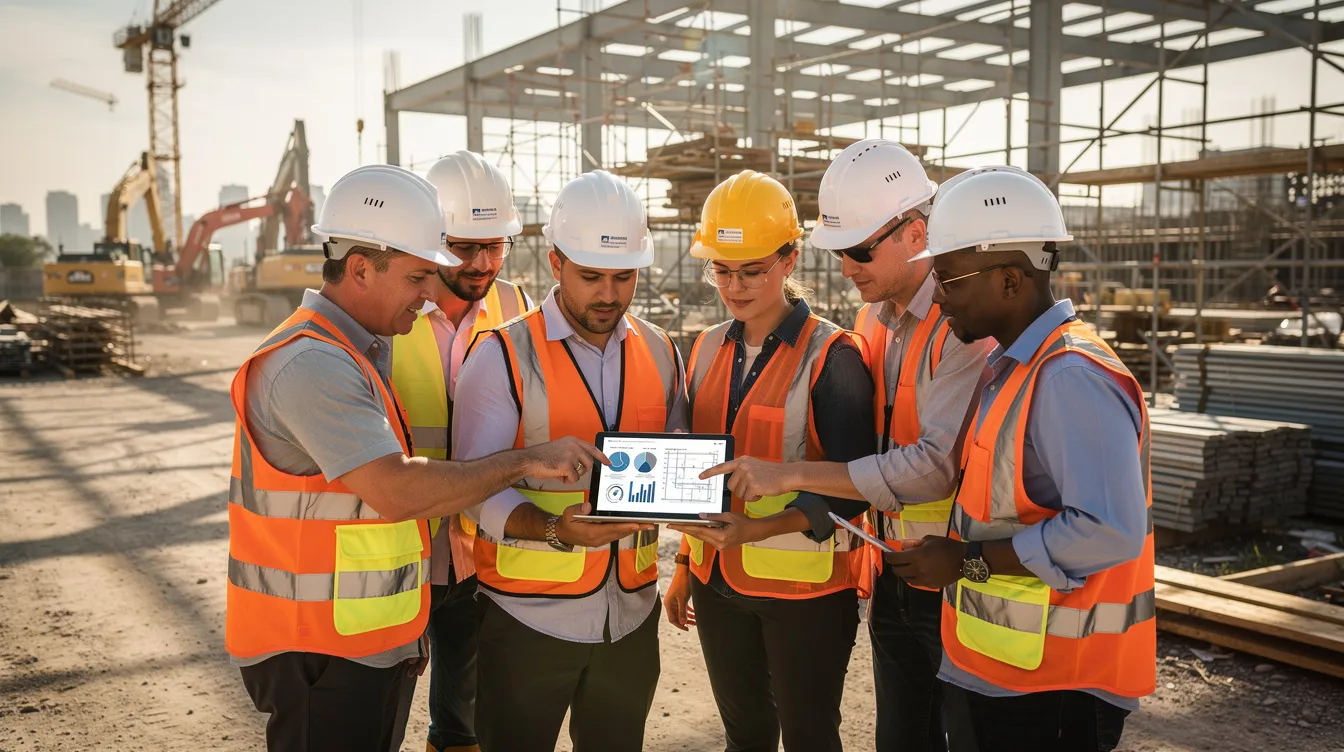
Strong safety performance, supported by smart technology, connects directly to schedule reliability, fewer callbacks, and better margins. These are critical competitive advantages in open competition for public and private work across Colorado and Wyoming. Construction training can reduce injuries by 59%, which translates to fewer lost workdays, lower insurance costs, and stronger bid profiles.
- Digital safety tools and connected construction sites strengthen project management by linking safety observations to RFIs and changes, improving documentation for delay claims, and reducing time superintendents spend chasing paper across the accounting and compliance cycle.
- Performance-based contracting, transparent metrics, and safer, more productive crews help merit shop contractors stand out in a crowded construction industry. When your safety data is digital, auditable, and current, owners and GCs notice.
- Younger craft professionals and experienced tradespeople alike increasingly expect modern tools, clear data, and safer sites. Thoughtful construction technology adoption supports retention and recruiting in competitive Denver and Wyoming labor markets. Energy-efficient design, sustainability projects, and data center work attract workers who want to build careers, not just fill positions.
- The global community of contractors is watching the same trends. The next few years will reward companies that combine strong safety culture, disciplined project planning, and targeted technology investments rather than chasing every gadget that appears at national trade shows. Keeping projects safe and on schedule is the ultimate competitive advantage.
Next Steps: How ABC Rocky Mountain Can Help You Move Now
The safest and most competitive construction companies in Colorado and Wyoming will choose one or two high-impact safety technology workflows to improve in the next 6 to 12 months, rather than waiting for a “perfect” solution. Waiting is the riskier option.
- Schedule a safety program review using the STEP Safety Management System to identify your highest friction point and greatest exposure.
- Join the Safety Peer Group to benchmark digital tools and compare pilot results with other member companies.
- Explore ABC Rocky Mountain education options, including ConstructionU and United Academy courses that introduce field leaders to connected construction and digital safety basics.
- Review ABC Rocky Mountain’s Data Science in Construction hub and related construction technology adoption content to understand how safety tools plug into broader data-driven project management strategies.
- Choose one pilot before your next bid cycle. Name an internal champion. Set a specific date to submit pilot results to field leaders and company leadership for review.
- Contact ABC Rocky Mountain to discuss upcoming safety training, technology-focused workshops, or committee involvement that can support smarter construction safety technology adoption across the region. The responsibility to act belongs to every contractor who wants to compete on performance, not just price.
Frequently Asked Questions
The following questions address common concerns Colorado and Wyoming contractors raise about construction safety technology that are not fully covered in the main article.
How quickly can a mid-sized contractor in Colorado or Wyoming realistically roll out a new safety technology?
Most mid sized construction companies should expect a 3 to 6 month timeline from selection to stable use on multiple projects. The first 90 days should focus on a single pilot job. The next phase covers refining training, building SOPs, and integrating the tool with existing project management systems. Rushing a company-wide rollout without field-tested data usually results in low adoption and wasted budget.
Do small contractors really benefit from advanced tools like AI and wearables, or are these only for large firms?
Many AI-enabled features and wearable safety devices are now bundled into off-the-shelf platforms and subscription-based tools, making them accessible to smaller firms. A 20- to 50-person contractor can use wearable alerts for heat stress monitoring on a summer concrete pour, or use an AI-enabled app for incident tracking and toolbox talk documentation. Access to these innovations is no longer limited by company size or substantial capital budgets.
What special considerations apply to construction sites in remote parts of Wyoming or the Colorado mountains?
Limited connectivity, harsh weather, long travel times, and hazardous conditions at altitude are real constraints. Focus on safety technologies that offer offline functionality, rugged hardware, extended battery life, and easy syncing once crews return to areas with stable coverage. Redundant safety systems and clear manual backup procedures remain essential when technology depends on connectivity that may not be available at every point on a remote site.
How should contractors handle worker privacy concerns when using cameras, wearables, or location tracking?
Create a clear written policy explaining what data is collected, why it is used, and how long it is stored. Involve employees in the planning process, consult legal counsel where needed, and emphasize that the goal is to prevent potential hazards and support safety coaching, not constant surveillance. Transparency builds trust and keeps adoption rates higher across all teams and personnel.
Where can Rocky Mountain contractors find training to help field leaders use new safety technologies effectively?
Explore ABC Rocky Mountain programs such as ConstructionU, United Academy courses, CITC apprenticeship training, and STEP-related workshops. Ask specifically about sessions covering digital safety workflows, data literacy, and connected construction tools. Augmented reality-based onboarding modules are also becoming available through industry training providers and can accelerate the learning lifecycle for new hires and experienced professionals alike.


