


Construction risk management in live work zones goes beyond cones and posted speeds. It requires a repeatable system with clear ownership, layered controls, daily verification, and escalation rules that change as field conditions change. For contractors across Colorado and Wyoming, this article focuses on how to turn a traffic control plan into a field-run safety system.
Construction risk management in live-traffic operations is often treated like a traffic-control task. In practice, the bigger challenge is operational drift: the approved setup changes in the field, crews adapt to production pressure, equipment routes cross worker paths, or traffic behaves differently than the plan assumed. When that happens, the risk is no longer just where the cones sit. It is whether the contractor has a system to recognize changes and respond before an exposure becomes normal.
Colorado’s recent data shows why that matters. According to CDOT, 23 crashes resulted in 31 fatalities in Colorado construction and maintenance work zones in 2024.
OSHA also emphasizes the exposure inside the zone, not just outside it. The agency identifies struck-by hazards as a major construction fatality risk and says workers near public roadways should be protected with traffic signs, barricades, or flaggers. OSHA’s construction motor-vehicle guidance further notes that a worker in this industry can be just as likely to be struck by equipment inside the work zone as by passing traffic.
That is why this article takes a narrower angle than a general work zone safety overview. The practical question for project executives, safety leaders, and superintendents is this: who owns the active work zone phase, what gets checked before startup, and what triggers a higher-level review when the field no longer matches the drawing?
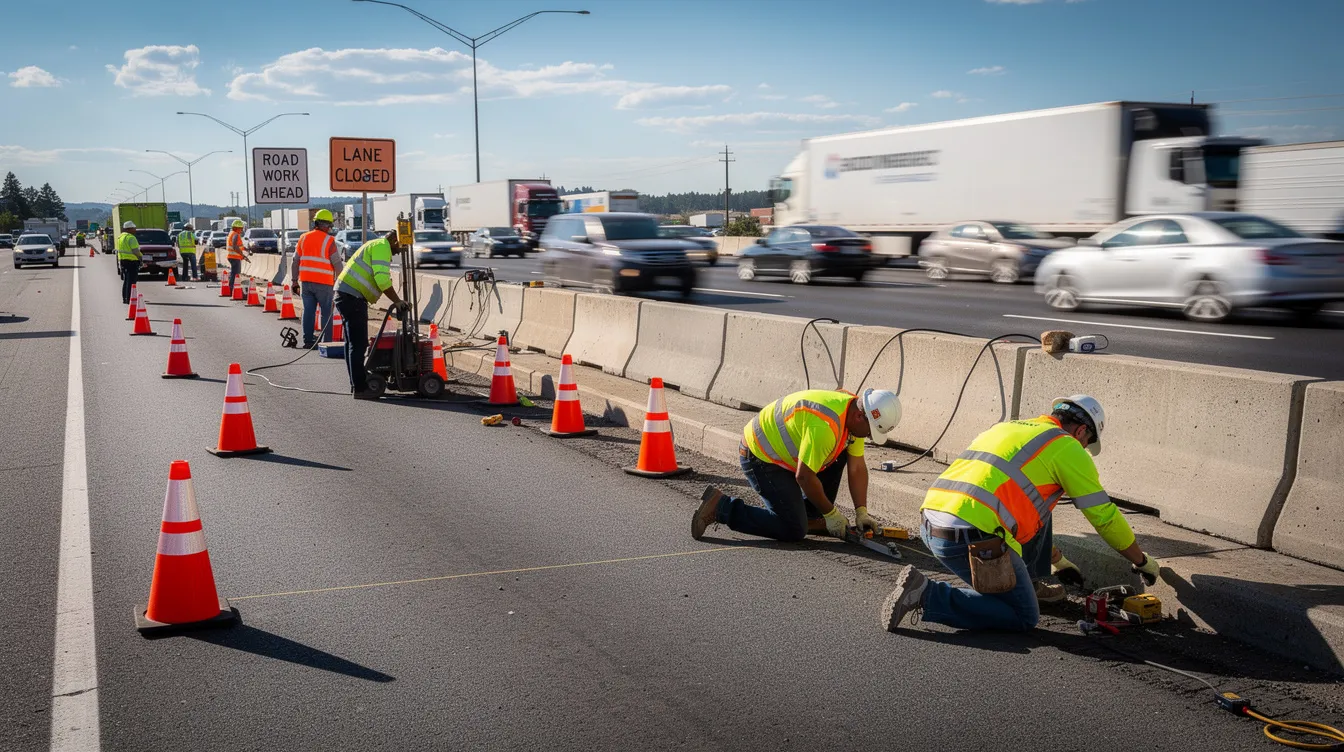
A temporary traffic control plan or transportation management plan explains how road users will move through or around the work area. A field operating system for work zone safety is broader. It places that traffic plan inside a framework of leadership, internal routing, verification, communication, and escalation.
What a typical traffic control plan covers:
What a field-run safety system adds:
This distinction matters because many failures happen after a plan is approved. A Denver arterial utility project, a Front Range corridor shoulder operation, or a Wyoming highway maintenance setup may all start with a compliant drawing. The question is whether the contractor can still run that phase safely after a delivery conflict, a weather shift, or queues form differently than expected.
One of the most useful ways to separate this article from general work zone guidance is to assign responsibility by phase, not just by job title. Contractors often say the superintendent, project manager, and safety director all own the work zone. That can leave decision-making blurry when conditions change quickly.
A more useful model is to designate one field owner for each active traffic phase and define who supports that person.
Field-phase owner: assign one superintendent or foreman as the named owner of the active setup for that shift or phase. This person confirms the layout, checks internal movements, documents deviations, and initiates escalation if the zone stops functioning as intended.
That step is simple, but it changes behavior. Instead of assuming someone will notice drift, the company assigns one person to verify that the phase is still working in the real field environment.
Effective work zone construction risk management relies on layers of control rather than one protective measure. OSHA’s roadway and motor-vehicle guidance supports basic protections such as signs, barricades, and flaggers. For Colorado projects, CDOT’s Work Zone Safety page describes transportation management planning, and CDOT’s Work Zone Safety Management materials include guidance related to positive protection.
For contractors in Colorado and Wyoming, the best field question is often: if one layer fails, what still protects workers and the public?
Layered controls matter because real work zones do not fail in only one way. A device can shift, a queue can back up, a delivery can arrive early, or an operator can enter a pedestrian route. Systems thinking helps teams plan for those overlapping failures instead of treating each one as a surprise.
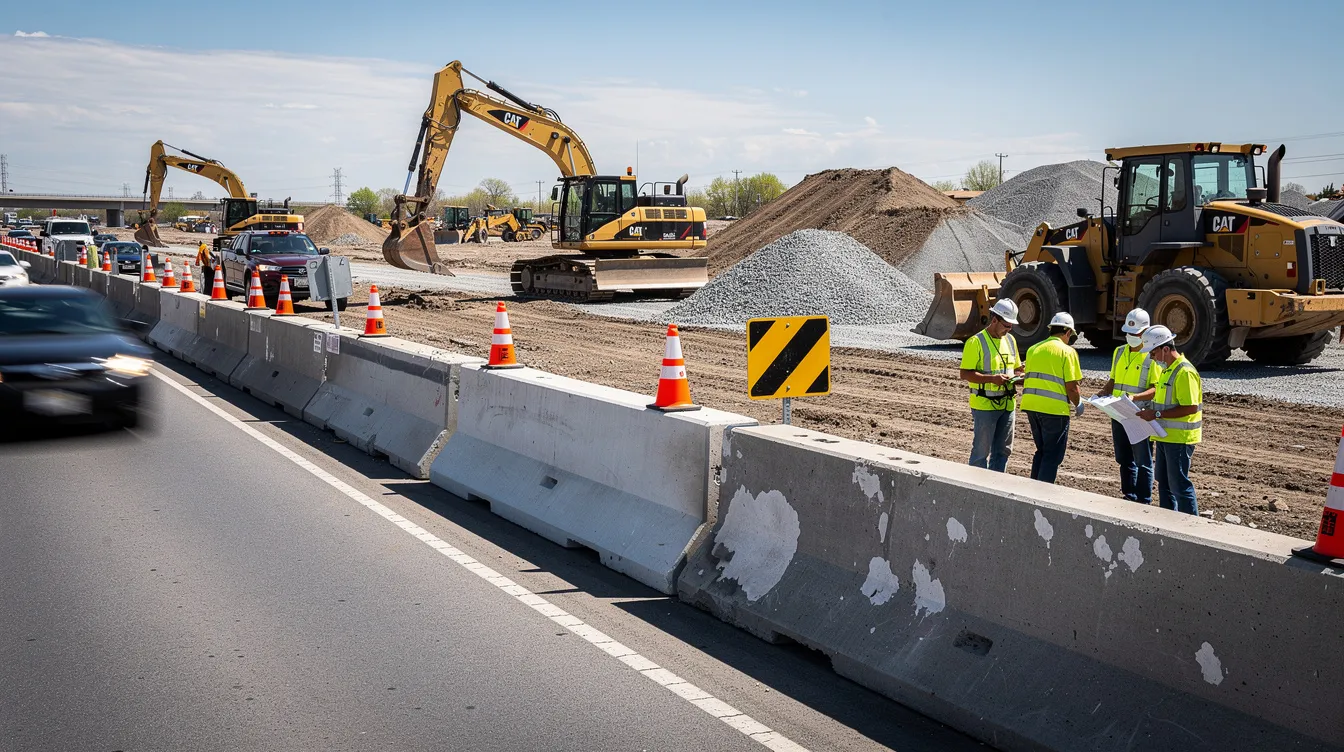
CDOT’s Work Zone Safety materials describe a transportation management plan as a coordinated set of strategies used to manage the impacts of a project work zone. That definition is helpful because it pushes the plan beyond permit paperwork and into operations.
A usable plan for field leaders should answer more than where devices go. It should address:
For Colorado projects, aligning with CDOT’s published work zone safety guidance helps keep the plan grounded in current agency expectations. For Wyoming work, contractors should confirm project-specific requirements with WYDOT and local authorities rather than assuming Colorado agency practice applies.
Just as important, the plan must translate into field tools crews can actually use: phase sketches, lane-closure summaries, access maps, and short verification checklists. If the only version lives in a PDF the field never opens, the plan isn’t managing risk.
CDOT’s Work Zone Safety Management materials include guidance related to positive protection. In practice, that supports a broader lesson for contractors: not every change should be handled informally at the field level.
Leaders should consider defining internal escalation triggers in advance, especially when:
Instead of presenting one universal threshold as a legal rule, many contractors will benefit from setting company decision points in advance. For example, a firm may require project executive or safety director review when a combination of speed, duration, lane configuration, and observed intrusion exposure reaches a predefined level. That approach is often more dependable than asking field leaders to make the call alone while balancing production pressure.
The goal is not to over-control every job. It is to ensure that higher-risk setups trigger a higher-level conversation before exposure becomes accepted as routine.
Before crews enter any live work zone, project leaders should run a structured review. This is where construction risk management becomes operational, not theoretical.
Pre-mobilization checklist:
This checklist works best as a startup gate. It creates a handoff between preconstruction planning and field execution and helps expose whether the approved plan is actually buildable under project conditions.
Conditions in work zones can shift by the hour. Devices move. Weather changes visibility. Traffic backs up differently than expected. Equipment enters areas that were clear at shift start. That is why daily verification is a core part of construction risk management.
To keep this article distinct from broader work-zone explainers, here is a simple five-point routine that a superintendent or foreman can run at shift start:
Keep the routine short enough that field leaders will actually use it every shift. The point is not more paperwork. The point is to catch the gap between the approved plan and the actual operating condition before someone gets hurt.
ABC’s STEP Safety Management System can support this work by giving contractors a framework to measure safety data and benchmark performance with peers in the industry. For work zones, that structure helps move review beyond lagging incidents alone.
This is also where a systems article should differ from a basic traffic-control article. The real question is not whether the company has cones, drawings, or a vendor. It is whether the company has a repeatable operating method for reviewing, running, and improving live-traffic work across projects.
ABC Rocky Mountain serves merit shop contractors across Colorado and Wyoming and provides safety-focused education and resources that can support stronger work zone construction risk management. For companies trying to move beyond minimum compliance, the chapter’s published safety content and peer learning opportunities can reinforce a more disciplined operating approach.
A practical next step is to compare your current work-zone startup and shift-start process against the tools in this article, then identify where ownership, escalation, or daily verification is still informal.
Every live-traffic project is either actively managed as a field system or drifting toward a setup that depends too heavily on habit and hope. Before your next mobilization meeting, take these steps:
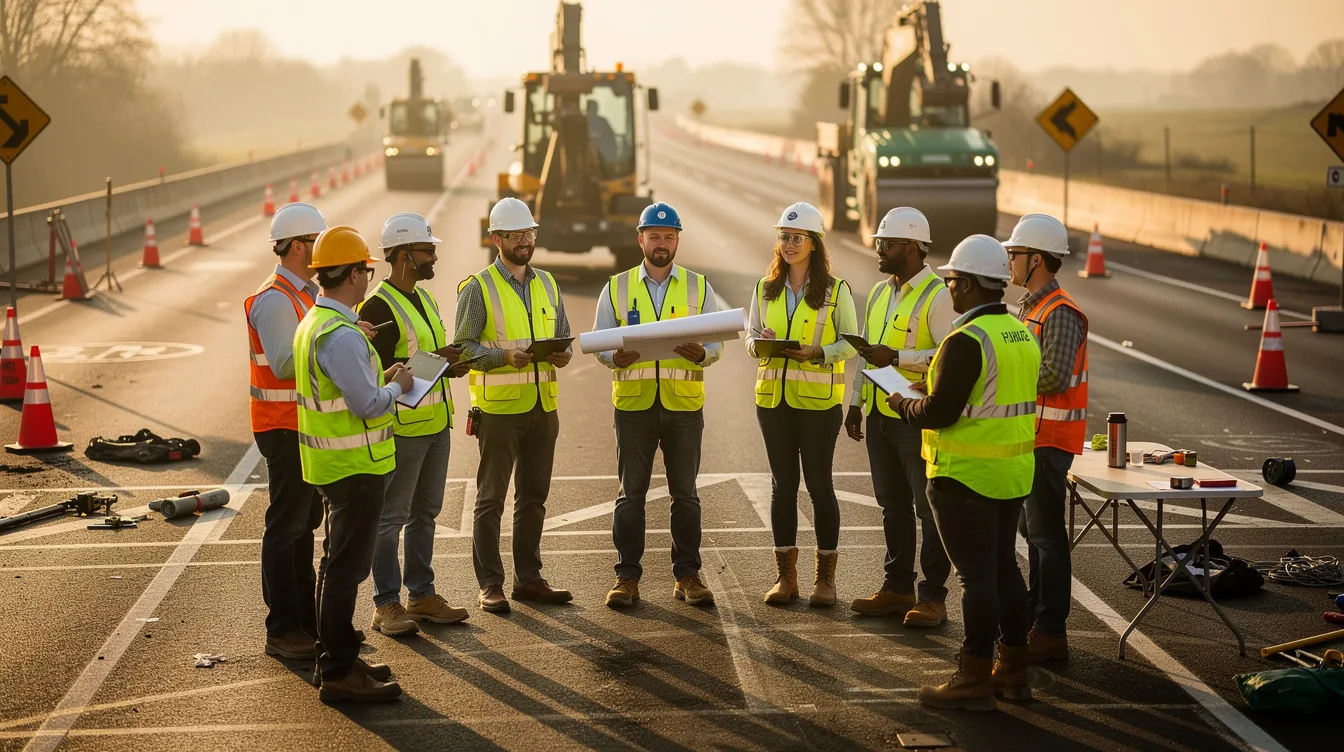
These questions address practical issues that Colorado and Wyoming contractors often face when moving from traffic-control compliance to a broader operating system.
A temporary traffic control plan focuses on the physical setup for moving drivers through or around a work area. A transportation management plan is broader. It can include multiple traffic-control phases along with coordination strategies for mobility, access, communication, and incident response across the project.
Night work changes the exposure profile. Lower volumes may help, but visibility, fatigue, impairment risk, and driver recognition often get worse. Contractors should reassess lighting, retroreflectivity, internal traffic routing, and staffing rather than copying the daytime setup.
Urban work zones usually add pedestrians, cyclists, business access, transit stops, and tighter geometry. Rural and highway work often involve higher speeds, longer sight distances, fewer detour options, and more weather exposure. The management system should reflect those different risks instead of relying on one standard setup for both.
They can start with agency standards, qualified traffic control vendors, and a disciplined internal process for pre-mobilization review, phase ownership, and daily verification. Even when outside specialists develop the traffic plan, the contractor still owns field execution and escalation.
Update them at each major phase change, after an intrusion or near miss, when nearby projects alter traffic behavior, or when seasonal and weather conditions materially change the exposure. Short reviews tied to actual field changes usually work better than infrequent formal reassessments.


