


A Denver commercial project last year swapped a specified interior partition system for a product the supplier had in stock. The submittal was never updated. Crews showed up, installed the first floor of partitions using fasteners and methods from the original spec, and by lunch the project manager was on the phone with the architect. The next morning, laborers were tearing out everything they had built. Two days of labor, wasted material, and a conversation with the owner and architect on the client side that made every future change order harder to negotiate.
Construction rework is the process of correcting or replacing work installed incorrectly, or that does not meet contract specifications. This article narrows that definition to rework linked to material substitutions and specification changes on commercial and industrial construction projects, because that is where the failure chain is most preventable and most expensive.
Construction rework costs average 5 to 20 percent of projects, with industry research showing ranges from 2% to 30% of total project costs depending on project type and tracking method. Rework can drive over 50% of schedule delays in construction. On a $10 million Front Range project, even a 2% rework rate is $200,000 of unplanned cost that comes straight out of margin. Communication breakdowns among project stakeholders consistently contribute to rework, and when issues stem from poorly communicated material changes, costs escalate quickly from estimating through procurement to the field. Poor communication leads to misunderstandings and rework in construction projects; construction rework costs from poor communication exceed $31 billion annually across the industry.
This article focuses on preventing construction rework caused by material changes. The goal: help Colorado and Wyoming contractors catch problems before the next phase begins, so the first install does not become the first rework event.
The root cause of most material-change rework is not a bad product or an incompetent crew. It is a gap between what the estimating team assumed, what procurement ordered, what project managers carried forward, and what the field expects to install.
Here are the typical drift points after bid day:
Industry data shows that accurate project information is crucial to preventing day-one failures. These numbers point directly at the documentation chain. When one document (the estimate) is updated but related documents (scopes of work, subcontracts, submittal logs) still reflect old assumptions, the stage is set for day-one failure.
The risk is the same whether the project is in Denver, Northern Colorado, Colorado Springs, Cheyenne, or Casper. The specific products and suppliers differ; the process failure does not. Without an intentional cross-check before ordering materials, the “approved” material in the architect’s mind can differ from what the supplier ships and the crew installs.
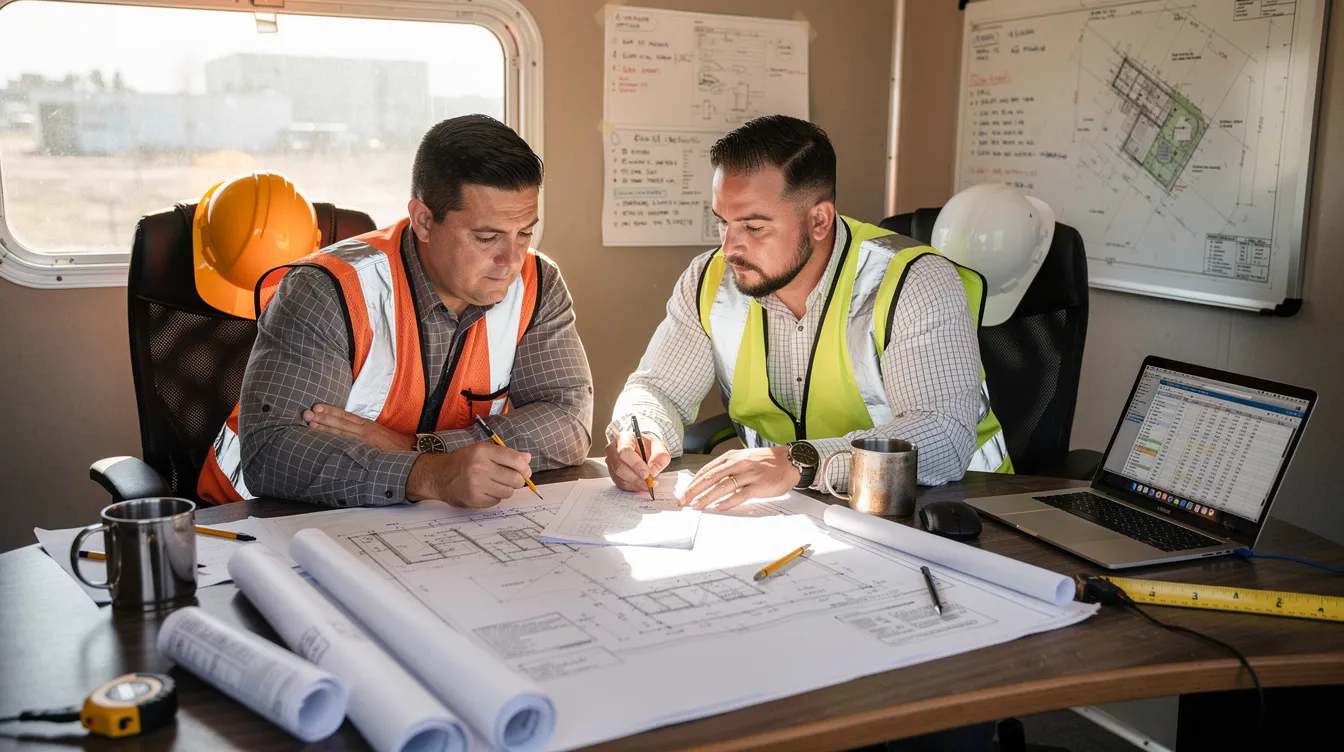
A formal material substitution in construction projects is a documented request, evaluation, and approval that changes the specified product, finish, or system for a good reason: cost savings, schedule improvement, or better performance. The request includes manufacturer data, test reports, and certifications. The architect or engineer reviews it. The owner signs off. The team records the approval in project records and communicates it to everyone involved.
An informal swap is the opposite. Procurement or field personnel use what is available, familiar, or cheaper without fully documenting how it differs from the original specification. Material defects or substitutions can lead to rework in construction, and informal swaps are the most common version of this failure.
Common triggers in commercial construction include:
Even when a product is marketed as equivalent, it may differ in criteria that matter for quality assurance and safety. A fire-rated door leaf paired with hardware that is not listed for the same rating is not equivalent, regardless of what the supplier’s catalog says. Undocumented swaps shift risk to the contractor, including rework costs, warranty exposure, and disputes over whether the work meets the contract.
Before delivery, the estimate, contract, specifications, approved submittal, and purchase order should all describe the same product in the same way and match properly before materials reach the jobsite.
On a typical commercial construction project, the documents that need alignment include:
| Document | What to Check |
|---|---|
| Bid recap / estimate | Product, manufacturer, model assumed at pricing |
| Owner contract | Specification sections referenced, any alternates accepted |
| Subcontract scopes | Scope language matching current (not bid-day) spec |
| RFIs and responses | Any changes to product, method, or detail |
| Substitution approvals | Formal record of accepted changes |
| Approved submittals | Manufacturer, model, finish, fire rating, certifications |
| Purchase orders | Exact product, quantities, delivery dates |
| Delivery tickets | Confirmation that what shipped matches the PO |
Construction rework prevention here means checking for conflicts in product name, manufacturer, model, dimensions, finish, fire rating, structural requirements, and special installation details so project quality standards are protected, not just document consistency. Change control prevents unauthorized modifications in construction projects; without it, each document can tell a different story.
Consider a fire-rated door leaf ordered without compatible hardware. Denver Building Code requires hardware listed and labeled for the door’s fire rating. If the hardware arrives with a lower rating or no listing, the entire assembly fails inspection the first day installers are on that floor. The door leaf, the frame, and the hardware must be removed and replaced. A centralized document management system ensures all teams access the same current plans and specifications, reducing the chance that someone builds from an outdated version.
Creating a reliable substitution-approval process means reviewing each change against these criteria and documenting the result in project records:
In both Colorado and Wyoming, building officials, fire marshals, and owners can require documentation showing that the final installed product meets the same intent as the specified material. Effective communication is essential for successful quality control throughout this verification process.
Picture a Northern Colorado project where a lighter-weight exterior wall panel system replaces the originally specified heavier system. The crew, experienced with the older product, shows up and begins installation using the fasteners, adhesives, and leveling methods they know from years of practice. The first course goes in out of level. They use the wrong adhesive at frame junctions. By the time the superintendent walks the floor at the end of the day, the first 40 panels are locked in wrong.
This type of failure is typically a handoff problem between procurement and the field, not a lack of effort or skill by the craft professionals on site. Inexperienced labor can increase installation errors, but even experienced crews make mistakes when they aren’t briefed on how a new product differs from what they have installed before. Out-of-sequence installations lead to costly rework when follow-on trades discover that tolerances, depths, or attachment points don’t match their approved details. Construction personnel spend over 14 hours weekly on non-productive activities, and rework from material mismatches is a major contributor to that lost time.
Rushed schedules along the Front Range and pressure to show visible progress on day one push crews to start before they have complete instructions or clarified details. The connection is direct: the earlier you catch a discrepancy, the cheaper it is to fix. Closing the gap on day one is the point of construction rework prevention.
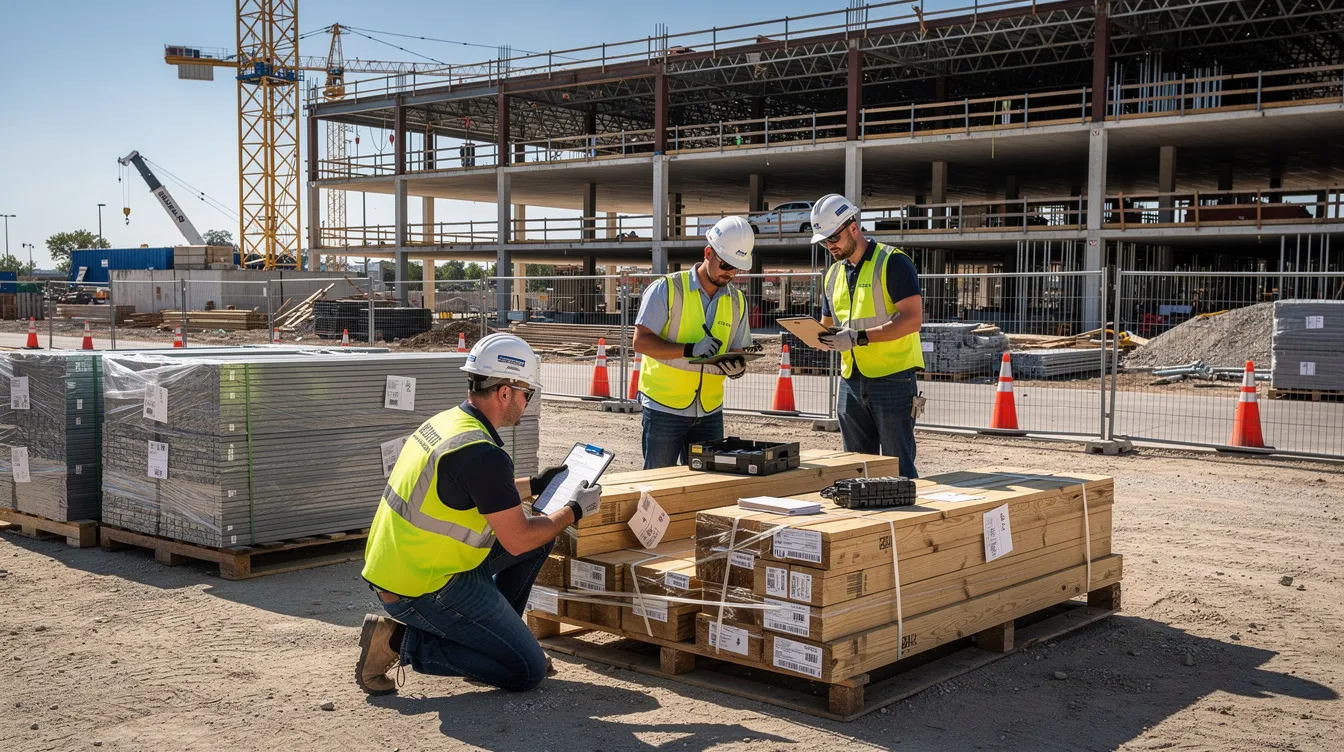
This checklist is designed for a superintendent or foreman in Denver, Colorado Springs, or Gillette to review in a ten-minute toolbox talk before installing a changed material for the first time. First-work inspections ensure installation quality before repetitive work occurs across a floor or elevation.
Before the first piece goes in, verify:
For example, inspect the first room, bay, or wall section and confirm it meets the approved detail before the crew continues.
Quality Inspection and Test Plans define when inspections occur and who is responsible. Proactive quality-control practices can reduce construction rework by catching problems before they multiply across an entire floor or building. Robust communication channels help mitigate rework by clarifying instructions before the work starts, not after it fails.
The same quality assurance principles apply across the region, but contractors must adapt handoff timing and communication methods to local conditions and site remoteness.
On fast-paced Denver and Front Range projects, teams may rely on digital document control and quick-turn huddles to keep up with frequent substitutions and aggressive schedules. Clear communication channels improve project stakeholder collaboration, and effective communication reduces accountability gaps in construction projects. The pace demands same-day handoffs once a substitution is approved, not a week later.
Wyoming projects present a different challenge. Fewer suppliers, longer lead times, and more remote jobsites make it essential to catch any mismatch before trucks leave the yard. A wrong shipment to a site near Gillette or Casper can mean days of delay waiting for a replacement, plus the cost of return freight. Resource availability in these areas is tighter, so careful planning and earlier verification matter more.
Practical handoff practices for both states:
Quality assurance sets the processes and checklists that govern material changes. Quality control verifies that teams follow those processes on each construction project. The distinction matters: QA is the system the organization follows; QC is the field execution.
A strong QA framework requires formal review of substitution requests, standardized submittal workflows, and mandatory pre-installation meetings for high-risk materials. Establishing a strong change management process can reduce rework. Change control involves six steps from request to closure, and when applied to material changes, it keeps every substitution visible and traceable. Change control is critical for compliance in regulated industries, including construction, and helps maintain project focus and reduce scope creep. Effective change control requires clear communication among stakeholders at every step.
QC on the jobsite, led by superintendents and foremen, checks actual deliveries, installation methods, and field conditions against approved documents. Regular quality inspections during construction help catch defects early. Inadequate quality control often leads to rework because unidentified defects multiply before anyone notices. Quality control ensures deliverables meet client standards and guidelines, and construction quality control aims to prevent issues from recurring. Quality control processes include inspections and corrective actions tied to each material package.
Implementing Building Information Modeling can help coordinate designs and prevent clashes before construction begins. BIM helps detect clashes and design conflicts before construction, reducing rework that stems from spatial or system conflicts. ISO 9001 sets international quality management standards that provide a framework for continuous improvement in these processes.
Connecting material change control to broader business impacts: owner trust, surety underwriting priorities, and the ability to win repeat work in competitive Colorado and Wyoming markets all depend on demonstrated quality discipline. Firms should integrate this process into their existing safety and quality programs so field leaders see it as part of routine operations, not extra paperwork. Enforcing rigorous quality assurance and quality control involves regular inspections tied to each phase of the construction process.
This section is a brief executive briefing for company leaders, project executives, and senior superintendents who set expectations across multiple construction projects.
Action 1: Review your three highest-uncertainty material packages on a current job. Walk through the estimate assumptions, approvals, POs, and field instructions. Confirm everything matches. If it does not, classify each gap: carry (accept the risk), clarify (get a formal answer), escalate (flag to the owner or designer), or reprice (adjust the budget). Root cause analysis helps explain why rework happens and prevent future occurrences; this review is where that analysis starts.
Action 2: Require procurement to provide a short written handoff note to the project team whenever a major material change is approved. The note should highlight installation differences, inspection points, and anything the crew needs to know that differs from the original specification. This is the point where technology, even a simple shared document, can close the gap between office and field.
Action 3: Pilot the pre-install checklist on a single Denver or Wyoming project. Gather feedback from crews. Adjust the checklist to fit your company culture, project mix, and organizational workflow. Then expand it to your next project.
Explore ABC Rocky Mountain resources, including CQM training for federal work and other quality-focused education, as next steps for teams that want to formalize their material change processes. The first install should never be the first test of whether your documents match.

Below are answers to common questions about this topic.
A change order is a formally approved change in project scope, cost, or schedule initiated by the owner or design team. Rework is unplanned corrective work the contractor must perform because something was installed incorrectly or without proper approval. When material substitutions are not documented correctly, corrective work often ends up treated as rework instead of a compensable change order, which directly affects project profitability and erodes the budget.
Field leaders should pause before first installation if delivered materials do not match the approved submittal, lack required certifications or labels, or require methods crews have not been briefed on. Escalate quickly to the project manager and procurement team using photos and delivery documents so the issue can be resolved before labor is spent on work that may need to be removed. Stopping early costs minutes; stopping late costs days.
High-risk categories include structural systems, fire-rated assemblies, envelope and roofing systems, life safety systems, and any product that affects water intrusion or long-term durability. For these packages, contractors in Colorado and Wyoming should always require a formal pre-install meeting and first-work inspection, especially when a substitution has been approved. These materials define the integrity of the finished building.
Smaller firms can practice effective construction rework prevention by standardizing a short substitution review form, a basic document alignment step before ordering, and a simple day-one checklist for changed materials. Start with one or two high-risk trades or material systems, prove the value, and then expand the process. You do not need a dedicated quality department to manage this; you need a process that fits on one page.
While this article focuses on commercial and industrial construction projects in Colorado and Wyoming, the same principles apply to any project where material changes affect performance, code compliance, or owner expectations. Even smaller tenant finish or light industrial jobs benefit from better substitution control and clearer procurement-to-field handoffs. On those projects, margins are often tighter and the negative impacts of rework are felt immediately. Rework in construction typically accounts for 4% to 9% of total project costs on well-tracked jobs, and that percentage hits smaller budgets harder.


