


Construction mental health safety is not a side conversation. It affects how people show up, communicate, and work around hazards on active job sites. OSHA’s calendar lists Construction Suicide Prevention Week as September 14–18, 2026, giving contractors a defined point to organize their message and field routines.
The most reliable national data in this draft support the urgency:
Those figures do not tell a superintendent how to respond on Tuesday morning. But they do justify a management decision: this topic belongs in the same operational conversation as fatigue, impairment, communication breakdowns, and other conditions that can affect safe work.
ABC Rocky Mountain already addresses mental health as part of safety culture through its published mental health content, Construction Suicide Prevention Week resources, and Safety Programs. This article takes the next step by focusing on field execution: what supervisors should say, what should be posted, and how to turn one awareness week into repeatable practice across Colorado and Wyoming job sites.
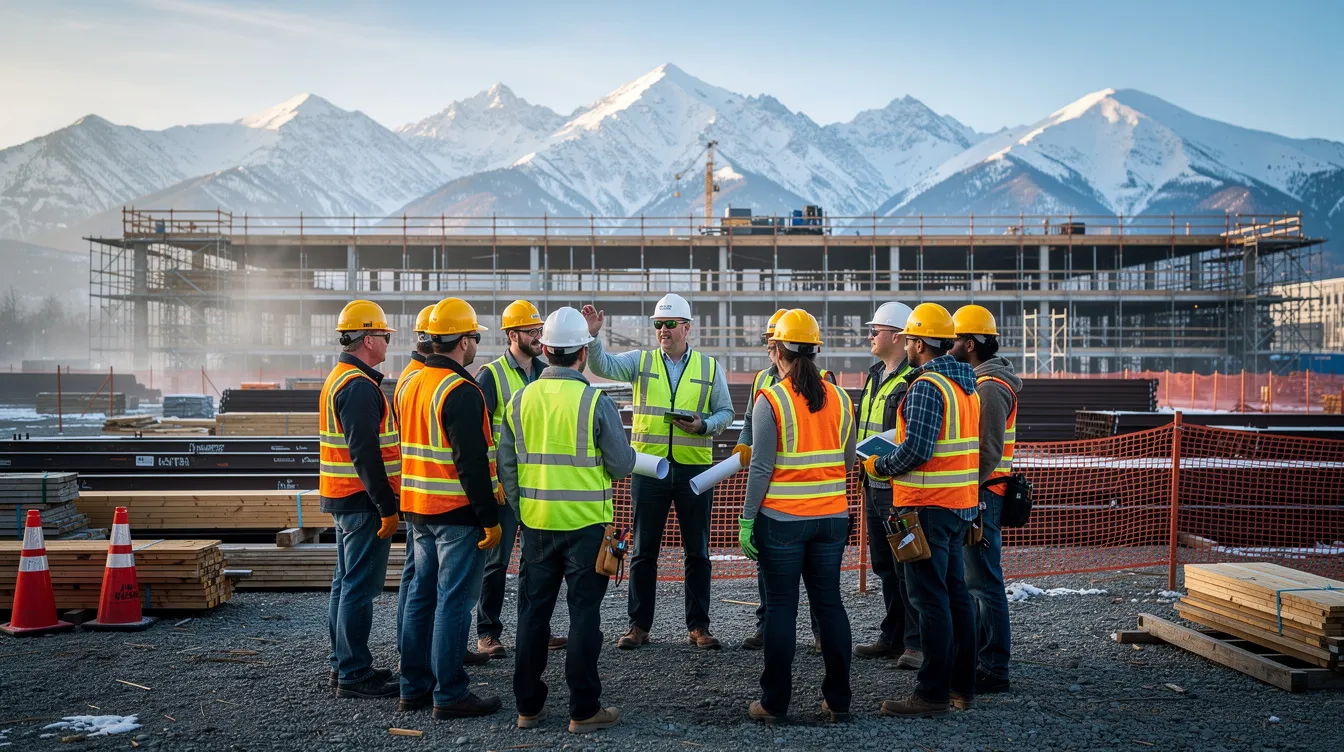
A real difference exists between acknowledging a problem and building a control around it.
That distinction matters because mental strain can show up at work through distraction, poor communication, unusual withdrawal, risk-taking, or visible fatigue. Supervisors do not need to diagnose any condition to recognize that those changes may affect the day’s work.
A practical approach is to connect mental health to safety-critical functions already familiar to the field:
When leaders place mental health inside existing systems such as toolbox talks, pre-task planning, STEP, and daily huddles, the topic becomes easier to manage consistently. It stops being a once-a-year message and becomes part of normal safety leadership.
The construction workforce faces pressures that can make support harder to seek and harder to deliver. CDC/NIOSH’s construction program notes that mental health issues, opioid use, and suicide remain significant challenges for the industry.
At the jobsite level, common stressors can include:
None of those factors automatically means a worker is in crisis. But together they help explain why this issue should not be treated as purely private and unrelated to operations.
For contractors in Colorado and Wyoming, the safest editorial move is also the most useful: avoid unsupported regional cause-and-effect claims, and focus instead on what managers can directly control. They can normalize check-ins, train supervisors to notice changes, and make reliable resources easier to find and trust.
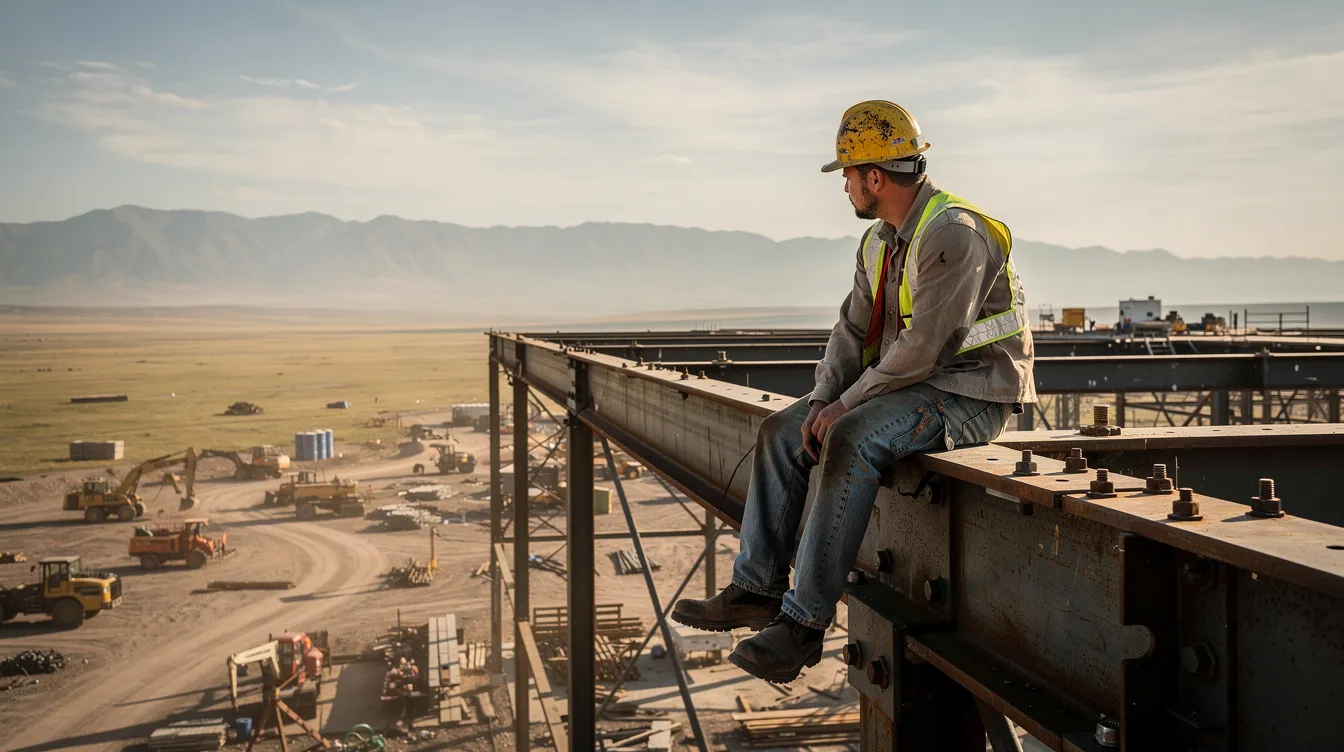
Supervisors are not clinicians. Their role is to notice, check in, document observable work issues when appropriate, and escalate according to company procedure.
Warning signs a foreman, superintendent, or crew member might notice include:
If someone talks about wanting to die, says goodbye in a final-sounding way, or shows other signs of immediate risk, supervisors should treat it as an emergency and follow the company’s escalation process right away. That may include contacting 988, emergency services, or both depending on the circumstances.
This article’s main practical tool is simple: use the week of September 14–18, 2026 to give every foreman and superintendent a repeatable script and rhythm.
Daily rhythm for the week:
| Day | Morning Safety Moment (5–8 minutes) |
|---|---|
| Monday | Why the week matters and why mental health belongs in the safety conversation |
| Tuesday | Observable warning signs in yourself and coworkers |
| Wednesday | How to ask a simple check-in question without trying to diagnose anyone |
| Thursday | Where help is available: 988, company resources, and local crisis contacts |
| Friday | What the company will keep doing after the week ends |
Opening script for supervisors: “This week is Construction Suicide Prevention Week. Mental health is part of safety on this job. If you or someone you know is struggling, there are resources available, and speaking up is treated seriously here.”
Simple one-on-one check-ins:
Those questions are not clinical tools. They are supervisor tools. The goal is to open a door, not to label a condition.
Documentation: Record observable work impacts and the steps taken. Avoid speculative language or clinical labels. Good documentation might include attendance changes, repeated near-miss behavior, resources shared, and who was notified internally.
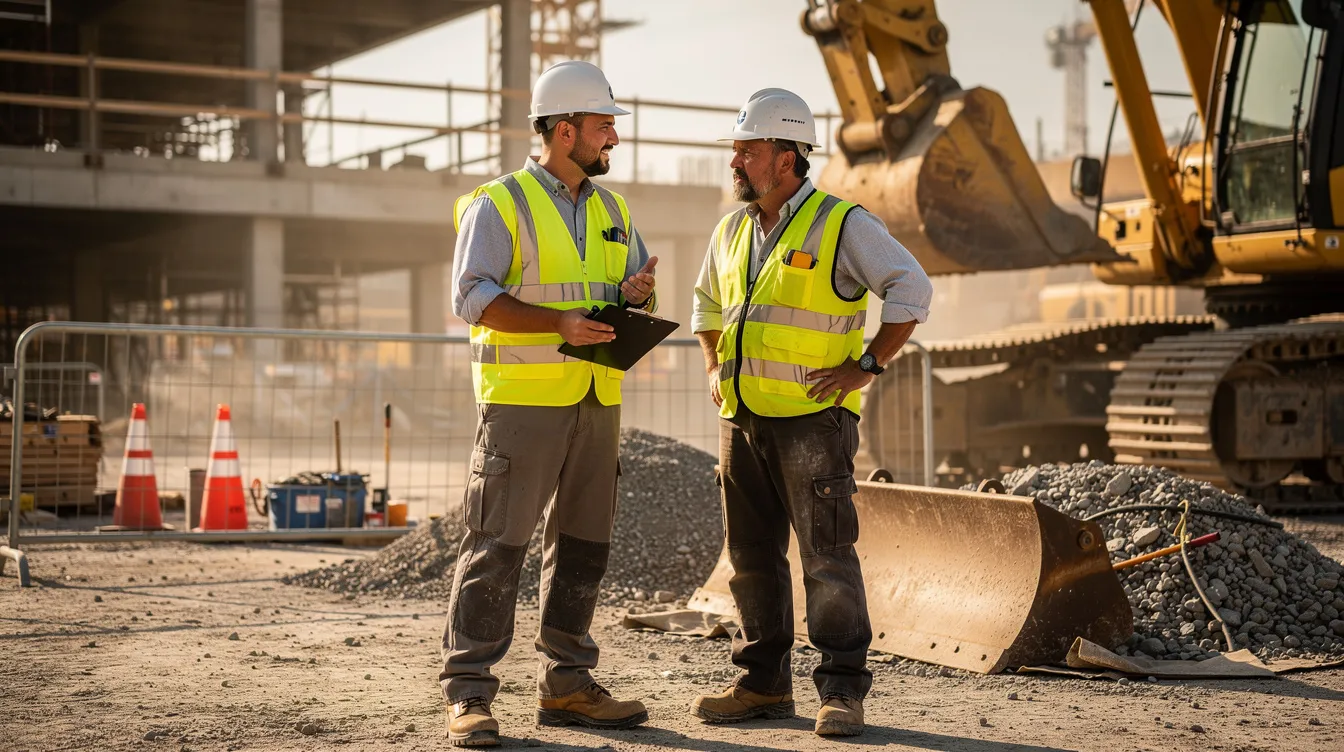
Toolbox talks work best when they stay short, specific, and clearly tied to field reality. Mental health topics should be handled the same way. The goal is not a lecture. The goal is a usable reminder and a visible resource.
Suggested toolbox talk themes:
Facilitation tips:
Contractors that want broader systems context can also review ABC Rocky Mountain’s existing article on mental health in construction safety. The practical distinction here is narrower: this article is about what field leaders can actually run during the week and repeat afterward.
Posting a phone number once in September is not enough. If resources matter, place them where workers already look for safety information.
Useful posting locations:
Core resources to include:
For Wyoming crews, companies should pair 988 with their own verified internal contacts and any current company-approved state or local resources they actively use. If the company has a standardized multilingual resource card, use that same card at every site so the message stays consistent.
The trust issue matters as much as the posting itself. Supervisors should briefly explain what the resource is, who can use it, and what happens next. Clear phrases help: “free,” “confidential,” and “available 24/7” are more useful than vague encouragement to “seek support.”
Supervisors need a simple framework. Three levels usually make the process easier to apply consistently:
| Level | What You See | What You Do |
|---|---|---|
| General stress | Worker seems tired, distracted, or quieter than usual | Check in privately, listen, and share resource information. |
| Noticeable decline | Repeated near-misses, attendance changes, unusual risk-taking, or behavior affecting the crew | Involve the designated safety, HR, or management contact. Document observable impacts and actions taken. |
| Direct risk | Statements about wanting to die, saying goodbye, giving away belongings, or other signs of immediate danger | Treat as an emergency. Contact 988 and/or emergency services based on the situation, and do not leave the person alone if there is immediate risk. |
Supervisors should never promise complete confidentiality when someone appears to be at immediate risk. The safer message is that the company will involve the right help to protect the individual and the crew.
Each contractor should convert this into a one-page internal protocol that reflects its own structure, after-hours contacts, and project locations. This article provides general guidance only and does not replace legal, HR, or medical advice.
The value of Construction Suicide Prevention Week is not the calendar entry itself. The value is what a company decides to keep doing after it ends.
Repeatable actions:
Year-round checklist:
This article recommends an operational shift: move from annual awareness to routine visibility, routine language, and routine escalation.
ABC Rocky Mountain serves merit shop commercial construction professionals across Colorado and Wyoming, and the chapter already provides a useful framework for integrating this topic into broader safety management.
For readers, the practical choice is not whether to create a separate wellness initiative. It is whether to use existing safety structures to give supervisors clearer expectations and crews easier access to support.
The most useful next step is simple: pick one active project and test a small, defined process before September 14–18, 2026 arrives.
That is how construction mental health safety becomes practical: one script, one posting plan, one escalation path, and one repeatable routine at a time.
Below are answers to common questions about this topic.
Mental health can affect attention, judgment, communication, and readiness for work. On a jobsite, those factors matter during equipment operation, work at height, lifting activities, and coordination between crews. Supervisors do not need to diagnose anyone to recognize that distress, distraction, or severe fatigue can affect safe performance.
988 connects the caller to trained crisis support. 911 dispatches emergency responders. If there is immediate danger or a medical emergency, 911 may be necessary. If someone is expressing suicidal thoughts or needs urgent crisis support, 988 can provide immediate guidance. Companies should align their procedures with internal safety, HR, and legal review.
Small firms can still create a useful process: post 988 and company contacts, train supervisors on simple check-in language, create a one-page escalation path, and build a few short mental health talks into existing safety meetings. The goal is clarity and consistency, not complexity.
Usually, a safer approach is to focus on warning signs, available resources, and how to support coworkers without discussing specific incidents involving known individuals. That reduces the risk of creating additional distress while keeping the discussion practical.
At minimum, review resources and supervisor expectations regularly enough that they stay familiar. Many contractors can cover the topic during periodic toolbox talks, orientation, and supervisor refreshers, then use Construction Suicide Prevention Week as the annual reset point.


