


Material shortages and extended lead times are no longer temporary inconveniences. For construction companies across Colorado and Wyoming, they have become a persistent source of construction contract disputes that erode margins, strain relationships, and stall projects from Denver data centers to Wyoming energy facilities.
Since COVID-19 caused severe delays in critical materials like lumber, the construction industry has been managing wave after wave of supply chain disruption. What began as pandemic-era shortages has evolved into a structural reality: changing tariffs, shifting sanctions, supplier consolidation, and logistics bottlenecks now generate a steady current of construction contract disputes and financial losses for contractors who thought they were only dealing with a delivery problem.
The numbers tell the story. Tariffs increased aluminum prices by over 30% in 2025. Supply chain disruptions can increase construction costs by 4% to 8% on affected projects. Lead times and delivery delays are projected to worsen in construction, not improve to pre-pandemic norms. Gilbane’s Q3 2025 Market Conditions Report showed pad-mounted transformers requiring 39 to 65 weeks, while medium-voltage switchgear hit 41 to 69 weeks-timelines that can blow through any reasonable schedule contingency on a Denver-area data center or a Colorado Springs medical facility.
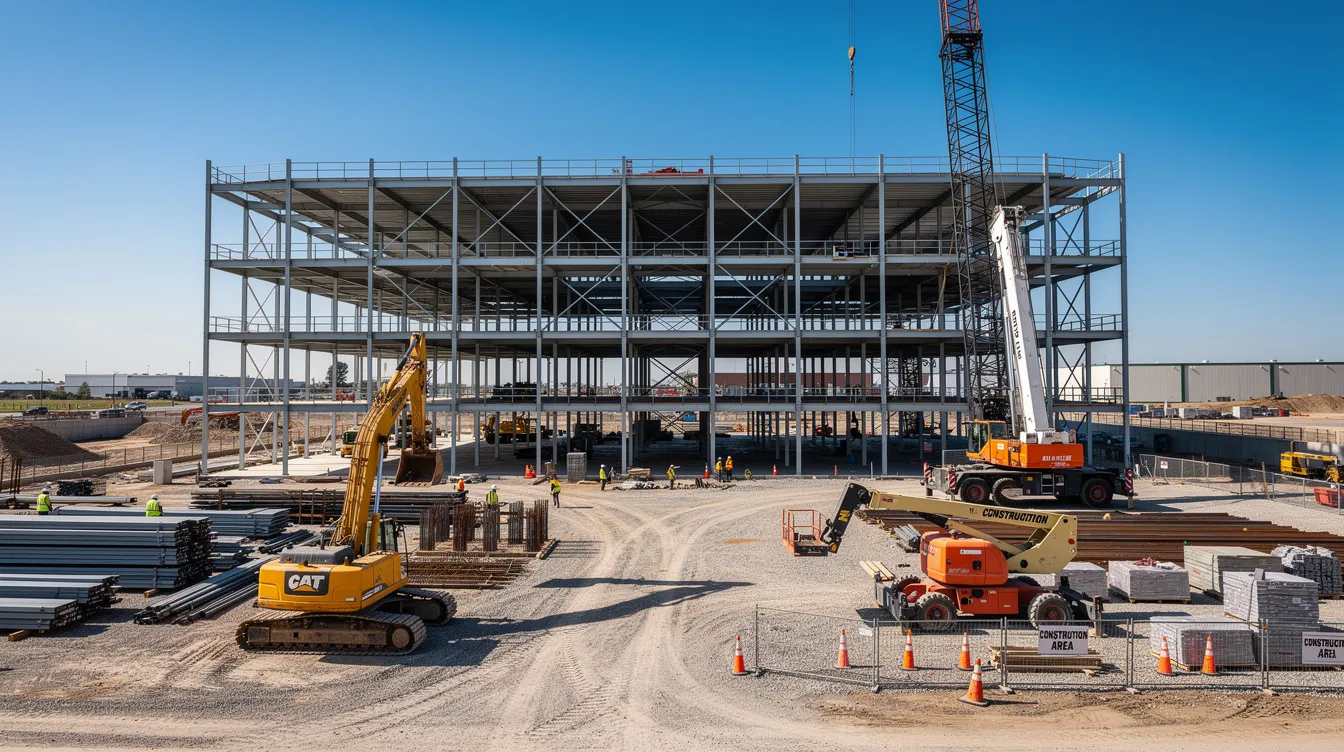
What starts as a logistics problem becomes a legal problem when completion dates, liquidated damages, and payment milestones in construction contracts are missed. Delays can trigger penalty clauses and breach-of-contract claims, turning a late transformer into a six-figure dispute. A Construction Executive article by Owen Newman illustrates the point: on a gas-fired power plant project, transformer oil was found at commissioning to contain Russian-origin base oil that a tier-two supplier had substituted mid-project, triggering OFAC sanctions exposure. That is not a force majeure problem-it is a compliance and contract-management failure embedded in the supply chain.
For Colorado and Wyoming contractors, the impact shows up as:
Many construction contract disputes trace back to terms that seemed harmless at bid time but become weapons under stress. Negotiating contract terms clearly can help prevent disputes from escalating, yet too many contractors sign agreements without stress-testing the delay and procurement language against real supply chain risks. Proper contract management is essential for mitigating disputes, and that management starts at contract review-not after a shipment goes missing.
The clauses that tend to control delay and supply chain risk include:
Contract clauses can allocate risk for supply chain disruptions, but only if they are drafted with that scenario in mind. Owner-furnished equipment, specified brands, or long-lead electrical components create additional risk if the contract is silent about substitutions or re-sequencing. Unforeseen physical conditions can deviate from bid documents and cause disputes, adding another layer of exposure when site conditions interact with delayed material deliveries.
Flow-down provisions can unintentionally push prime contract risk onto subcontractors and suppliers. On large Colorado and Wyoming projects with multi-tier construction supply chains, a general contractor’s strict schedule and compliance obligations may never reach the tier-two supplier who actually controls material availability. Unapproved modifications to project scope often lead to severe disagreements over costs, especially when a sub makes a substitution without alignment to the prime contract’s approval process.
Consider a Colorado Springs hospital contract that ties substantial completion to equipment commissioning for MRI machines furnished by the owner. If the MRI supplier is delayed and the contract does not allow re-sequencing or adjustment of the substantial completion milestone, the contractor may face liquidated damages for a delay entirely beyond its control.
The most frequent construction contract disputes arising from supply chain issues follow predictable patterns. Construction professionals who recognize these patterns early can act before a manageable delay becomes construction litigation.
Schedule delay and liquidated damages disputes dominate. When steel, switchgear, or mechanical equipment arrives late on critical-path activities, delays directly affect project completion dates. On Front Range industrial work, steel shipment delays of 30 to 50 weeks have become common due to overseas manufacturing backlogs, exposing contractors to daily liquidated damages.
Change-order battles erupt when specified products are unavailable or no longer comply with updated regulations. Contractors propose substitutions, redesign, or resequencing, and owners resist paying for additional costs or granting time extensions. Rising costs for alternate materials compound the financial burden.
Payment disputes follow. Delayed payment applications can strain cash flow for construction projects, and owners or CMs may hold retainage or refuse to pay applications when they perceive schedule delays as the contractor’s fault-even when the root cause is a supplier issue. Construction disputes may involve remedies like liens for securing payment, but pursuing those remedies on a project you still need to finish is rarely comfortable.
Claims between primes and subcontractors over who owns procurement risk are increasingly common, especially when purchase orders and subcontracts do not mirror the prime construction contract language. General contractors on Denver and Wyoming energy projects often absorb financial risks that should flow through to material suppliers who failed to deliver.
Delay claims are formal requests for schedule extensions, compensation, or both, and classifying delays correctly is critical to determining entitlement. Getting the categories wrong-or failing to document the distinction-can cost a construction business its entire claim.

Consider a hypothetical Northern Colorado industrial project. Foundation work is delayed three weeks because the contractor’s permit applications were late, pushing back the start of structural steel. Independently, the steel delivery scheduled for week six arrives four weeks late due to overseas supply chain disruption. The overlap during weeks six through eight creates concurrent delay. The owner argues the contractor is not entitled to a time extension for those overlapping days, and cost recovery for that period is denied because the contractor’s own delay was already on the critical path. Without a strong CPM schedule analysis and contemporaneous documentation, such delays become nearly impossible to apportion fairly.
Force majeure clauses do not automatically cover every instance of supply chain disruption in a construction project. Treating them as a catch-all is one of the most common-and expensive-mistakes contractors make.
In practical terms, force majeure events are circumstances beyond a party’s control that are unforeseeable and unavoidable at the time of contracting. Commonly covered events include natural disasters such as Colorado wildfires or major floods, government embargoes, widespread transportation shutdowns, wars, and sometimes labor shortages caused by unforeseen events. Ordinary market volatility, foreseeable supplier bankruptcy, localized disruptions a contractor could have mitigated, and poor procurement planning are almost never covered.
Different force majeure clauses provide different relief. Some grant only a time extension. Others allow time plus additional costs for storage, demobilization, or insurance. Some provide no relief at all if paired with aggressive no-damages-for-delay language. The contract’s exact wording determines the financial impact.
Consider a 2025 scenario: a specialty electrical connector specified for a Wyoming federal project becomes unavailable because newly imposed sanctions are announced after contract signing. Whether the contractor can claim force majeure depends on whether the contract defined sanctions or regulatory changes as covered events, whether compliance obligations flow down through the supply chain, and whether notice was properly given.
What to check in current force majeure language:
Contractors in Colorado and Wyoming must distinguish between unforeseeable and uncontrollable events and supply chain risks that should have been priced and scheduled as part of normal procurement risk.
The quality and timing of documentation often decide who wins or loses construction contract disputes arising from supply chain delays. Poor documentation and communication can escalate misunderstandings into legal battles, turning what should have been a straightforward time extension into months of adversarial claims.
Project teams should keep the following records current and organized:
The key is contemporaneous documentation showing when a disruption was first known, when notice was sent, and how it affected the critical path. Standard delay-notice templates, required attachments for each notice, and centralized storage accessible from Denver and Wyoming offices help construction businesses apply these habits consistently across project schedules.
Consider the contrast: a contractor on a Colorado Springs project lost a delay claim because written notice was not delivered within the required window after the delaying event was identified-a pattern reinforced by Colorado case law where courts have denied damages when contractors failed to follow contractual notice procedures. Meanwhile, a Wyoming contractor on federal work preserved its rights by sending timely supplier emails, verifying lead-time data, and providing contract-compliant notices; the agency awarded a time extension and partial cost recovery because the documentation showed the critical path was delayed by factors outside the contractor’s control.
While this article cannot substitute for jurisdiction-specific legal advice, Colorado and Wyoming contractors face different public project environments but similar supply chain and contract-management challenges. Each state’s laws, standard specifications, and agency procedures create distinct requirements that demand project-specific review.

Contractors should verify schedule requirements, notice deadlines, change-order procedures, liquidated damages provisions, and governing law in every contract before bid submission-and again before sending any delay claim.
The flow-down gap is one of the most underappreciated sources of supply chain risks in construction. Prime contracts may contain strict compliance, sanctions, or schedule terms that are never mirrored in downstream subcontract agreements or purchase orders, leaving the party holding the prime exposed when disruptions occur.
Subcontract agreements and purchase orders for critical materials-structural steel, transformers, switchgear, curtain wall systems-must align with the prime construction contract’s schedule, notice, and force majeure clauses. When they do not, the contractor who signed the prime absorbs downstream risk without recourse.
Practical steps to close the gap:
Consider a Denver metro data center project where a tier-two supplier substituted a component-such as transformer oil from a different origin-that later proved non-compliant with sanctions requirements. Without clear flow-down language requiring the supplier to certify material origins and notify the contractor of any substitutions, the general contractor faces both schedule delays and regulatory exposure with no contractual path to recover from the party that created the problem.
Construction leaders who want to reduce future construction contract disputes and delay claims should act now, not after the next disruption hits.
ABC Rocky Mountain serves as a practical ally for merit shop contractors facing rising contract and supply chain complexity across Colorado and Wyoming. The chapter connects construction companies to the resources, training, and industry experts they need to manage risk before it becomes a dispute.
Key programs and resources relevant to contract and delay risk include:
Through advocacy efforts like Construction Day at the Capitol, ABC Rocky Mountain monitors legislation and regulations that affect construction contracts, supply chain sourcing, and public-procurement rules. Membership, peer groups, and networking events give contractors a forum to compare contract strategies, share lessons from recent disputes, and strengthen standard forms together.
If your company operates in Denver, the Front Range, Northern Colorado, Colorado Springs, or anywhere in Wyoming, connect with ABC Rocky Mountain staff to discuss training and contract-risk priorities. The contractors who come through the next disruption with their margins intact will be the ones who prepared their contracts and teams before it arrived.
These FAQs address practical questions Colorado and Wyoming construction leaders often raise about managing disputes and protecting their positions when supply chain issues threaten project timelines.
Contractors should consider contacting construction-experienced counsel as soon as a delay threatens critical milestones, liquidated damages, or substantial impacts on project cash flow-not after a formal claim lands on the desk. Early advice can help interpret notice provisions, preserve rights, and shape communications with owners and subcontractors on both Colorado and Wyoming projects. Direct negotiation is often the fastest way to resolve construction disputes, and early counsel helps frame those negotiations properly. ABC Rocky Mountain does not provide legal services, but it can help members understand what questions to ask and where contract-review training fits into their broader risk strategy.
Contractors must follow the exact deadlines and delivery methods stated in their construction contracts, which often require written notice within a set number of days after the delaying event is known or reasonably knowable. In practice, it is safer to send an initial good-faith notice early-even if the full financial impact is unclear-then supplement with detailed schedule analysis and supplier data as they become available. Negotiation is a direct approach to resolving minor construction disputes, but only if you preserve your notice rights first. Standard templates and workflows help teams across Denver, Colorado Springs, Northern Colorado, and Wyoming apply notice rules consistently.
Smaller subcontractors can face significant exposure because they often sign upstream contracts or purchase orders with strict schedule, notice, and no-damages-for-delay provisions that limit their ability to recover costs. Disputes may arise over back charges, lost productivity, or termination even on modest private construction projects, especially when a key trade’s materials are on the critical path. Understanding contract terms and aligning sub-tier supplier agreements is just as important for a 15-person specialty shop in Wyoming as for a large general contractor on the Denver Front Range.
Many public and federal owners use their own contract forms with detailed provisions on delay claims, notice timing, documentation, and force majeure events that differ markedly from private commercial contracts. Parties may opt for arbitration to avoid public court proceedings in construction disputes, but on federal work, agency dispute procedures typically control. Arbitration is a private, binding process that is typically faster than court litigation, but it is not always available on public contracts. Mediation is a low-cost way to preserve relationships in ongoing construction projects; it is confidential and non-binding, and it helps parties reach a compromise before positions harden. Litigation is generally more expensive and time-consuming than arbitration or mediation, making early resolution critical. Federal and military work across Colorado and Wyoming often requires strict adherence to agency-specific procedures, making Construction Quality Management training and careful contract review particularly valuable.
Institute a simple, consistent process where every potential delay triggers three actions: a dated internal log entry describing the event, saved supplier communications showing lead times or disruptions, and a timely, contract-compliant written notice to the upstream party. Even basic organized records-emails, delivery tickets, photos, and schedule snapshots-can determine whether your company recovers costs or absorbs financial losses when a dispute arises. Build these habits into weekly project reviews and leverage ABC Rocky Mountain education offerings to train teams on claims-ready documentation before the next supply chain disruption tests your systems.


