


Construction accounting is built for a project-based industry, and in 2026 it has become a leadership issue, not just a compliance function. For Colorado and Wyoming contractors, the days of treating accounting as something that matters only at tax time or year-end are over.
ABC Rocky Mountain’s recent coverage on completion method revenue recognition makes the point clearly: in an uneven 2026 market, disciplined billing, accurate job costing, and consistent forecast updates are practical control issues tied to cash flow, margins, and credibility. That same logic applies more broadly to the accounting function.
When demand is uneven, and costs move faster than old assumptions, leaders need current numbers they can trust. Contractors pursuing public work, federal work, or more complex private jobs also need financial reporting that holds up under outside review. Weak job cost data, stale work-in-progress schedules, or delayed forecast updates can limit management visibility long before they create a year-end surprise.
For firms working across Denver, the Front Range, Northern Colorado, Colorado Springs, and Wyoming, that shift matters. Different project mixes, travel conditions, labor pressures, and owner expectations all put more pressure on the systems used to track costs and forecast outcomes. In that environment, construction accounting is less about recordkeeping and more about control.
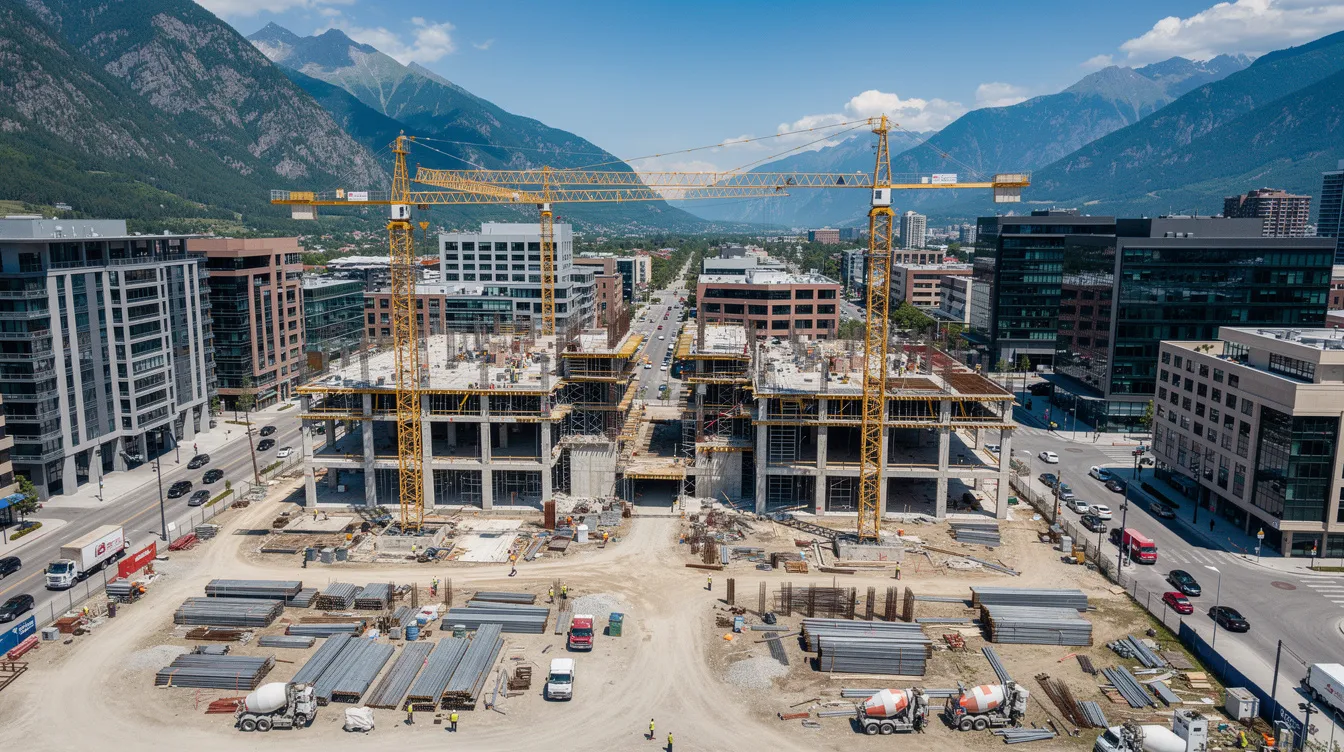
The most useful way to think about construction accounting in 2026 is as a control tower. It should help leadership see what is happening across open jobs, where risk is building, and what corrections are needed before a problem grows.
In practical terms, that means:
That shift is important because construction financial reporting depends on estimates, field inputs, and contract administration, not just posted transactions. If leadership wants better decisions, it needs accounting processes that quickly and consistently translate jobsite reality into usable financial information.
National accounting advice becomes more useful when translated to how work is actually delivered in this region. A contractor running multiple projects in metro Denver or along the Front Range may face faster bid cycles, denser competition, and tighter coordination across trades and owners. A contractor working in Wyoming may be managing longer travel distances, thinner local labor pools, or more dispersed projects.
Those differences do not change the fundamentals of construction accounting, but they do increase the value of precision. If cost coding is inconsistent, field updates arrive late, or project forecasts aren’t refreshed often enough, leadership can lose visibility quickly. That is true whether the issue is a Front Range commercial build, a Colorado Springs industrial scope, a Northern Colorado expansion project, or a Wyoming job with heavier logistics demands.
For merit shop contractors competing on performance, clean numbers also build credibility. Strong accounting discipline supports clearer conversations with owners, lenders, sureties, and internal teams about backlog quality, cash needs, and project risk.
Before adding more software, dashboards, or automation, every company needs dependable reporting fundamentals. In construction accounting, those basics usually include:
Monthly reporting is the practical standard for most commercial contractors because project conditions can change faster than quarterly reviews capture. More frequent internal updates may make sense on larger, riskier, or faster-moving jobs, but a monthly close and WIP review is the minimum rhythm that lets leaders react before a problem becomes a loss.
ABC Rocky Mountain’s recent article on completion method revenue recognition also reinforces why this cadence matters. Revenue recognized over time depends on reliable estimates and reliable project data. Even when this article stays broader than revenue-recognition rules alone, the management lesson is the same: if the inputs are weak, the reporting will be weak.
Job costing is what makes construction accounting useful. Without it, financial statements may still exist, but they become much less effective as management tools.
In practice, job costing should let a contractor see how labor, materials, subcontract costs, equipment, and selected indirect costs compare with how the job was estimated and planned. Cost codes are what make that comparison possible. The exact structure will vary by company and project type, but the principle is consistent: coding has to be clear enough to support forecasting, variance review, and future estimating.
Strong cost-code discipline also improves the next bid. When actual results from completed jobs flow back into estimating, contractors can price future work from experience instead of relying too heavily on assumptions that may no longer fit the market.
Common breakdowns are familiar: project teams coding similar work differently, late time entry, costs posted to broad miscellaneous buckets, or field teams bypassing the normal structure when schedules tighten. Those issues may look small in isolation, but together they can distort forecast accuracy and reduce the value of every WIP review that follows.
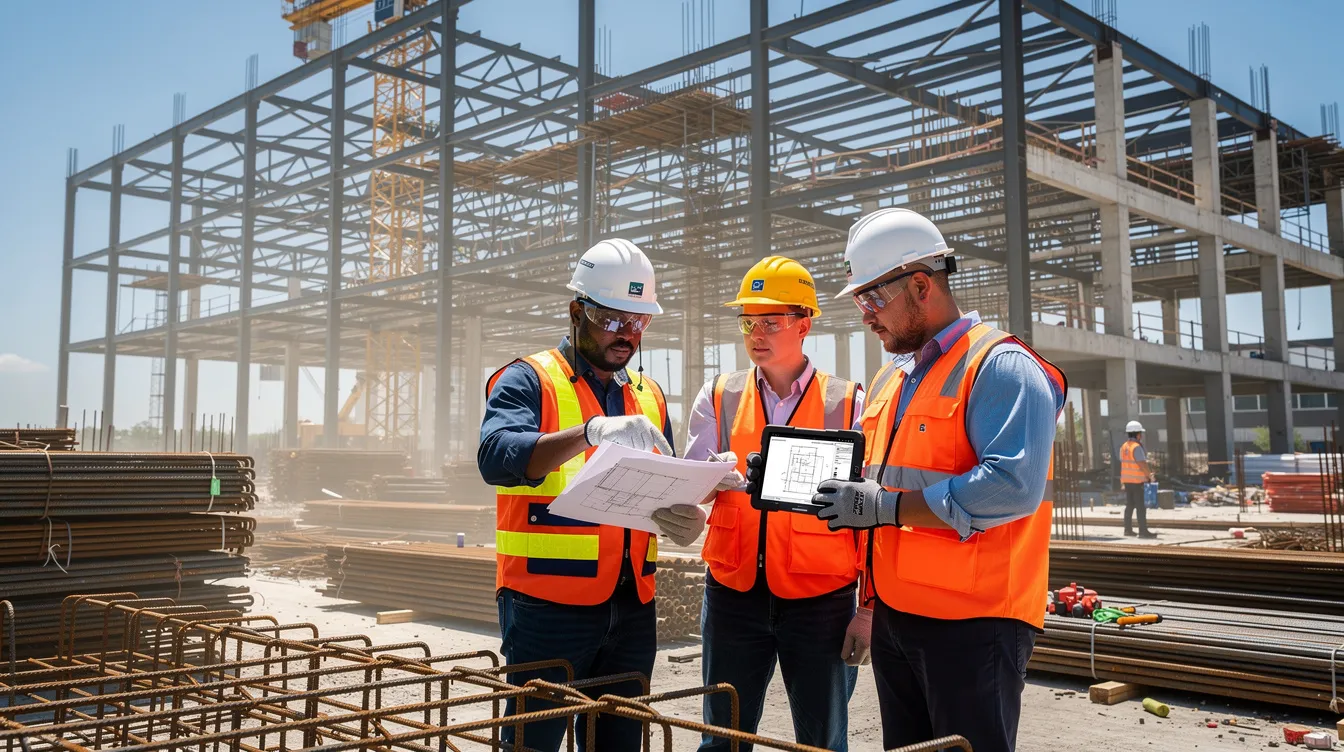
If one habit most clearly separates reactive accounting from useful accounting leadership, it is the monthly WIP review.
A practical WIP meeting brings together the people responsible for operations, forecasting, and financial reporting. The goal is not to restate the ledger. It is to pressure-test assumptions on active jobs before financial statements are finalized and before margin movement gets buried in the next month’s close.
For each open project, the discussion should focus on a few questions:
Consider a clearly hypothetical example. A contractor has an industrial project that originally appeared solid at award. Midway through execution, labor productivity weakens, overtime increases, and a scope issue remains unresolved. A monthly WIP review forces the team to update the cost-to-complete estimate, revise the expected margin, and address billing and operational corrections earlier than a quarter-end review would. That does not guarantee the margin is recovered, but it improves the odds that leadership responds while options still exist.
This is why WIP schedules should function as management tools, not just accounting worksheets. They connect project reality to financial reporting in time for leaders to act.
Construction accounting depends on field information more than many companies admit. Timecards, installed quantities, daily reports, production issues, and change documentation all shape the numbers leadership uses later.
When field and office systems are misaligned, accounting problems often follow. Labor can hit the wrong job or code. Scope changes can move forward operationally before anyone updates the financial forecast. Delayed reporting can make one month look stronger or weaker than it really is. None of those issues begin as accounting errors, but all of them become accounting problems by month-end.
That is one reason operational discipline matters. ABC Rocky Mountain’s article on construction safety leadership focuses on field execution, supervisor habits, and consistent follow-through. The accounting takeaway is not that the safety article is making a financial claim. It is that the same kind of disciplined field leadership also improves the reliability of project information flowing back to the office.
Leaders should aim for a regular weekly or month-end rhythm in which project teams confirm key job updates before the accounting close. Better software can help, but strong habits come first.
For leadership teams that want a practical starting point, these questions can reveal whether current construction accounting processes give the business enough visibility.
Job costing and coding
WIP and forecasting
Billing and cash visibility
Systems and control points
These questions are less about perfection than about visibility. If leadership cannot answer them with confidence, the accounting system may still be recording history without helping manage the future.
Construction has no shortage of technology discussion, but accounting leadership still starts with fundamentals. Before firms chase advanced analytics or AI features, they should make sure their core systems support clean job costing, dependable WIP reporting, payroll integration, and change tracking.
That sequencing also aligns with broader construction technology advice. Construction Executive’s 2026 technology commentary has emphasized asking how any new software connects with core systems such as accounting, ERP, and payroll before making a purchase decision. For contractors, that is a useful filter: if a tool does not improve the accuracy, timeliness, or usability of your operating data, it may not solve the problem you actually have.
A sensible modernization order often looks like this:
Controls still matter. Approval workflows, segregation of duties, and audit trails should stay in place as systems become faster and more connected.

Strong construction accounting leadership does more than produce cleaner statements. It helps contractors choose work more carefully, react to margin pressure sooner, communicate more credibly with outside stakeholders, and align project teams around current realities instead of outdated assumptions.
For Colorado and Wyoming contractors, that matters in a market where regional conditions differ, project risks move quickly, and leadership time is limited. Firms that treat accounting as a control system rather than a compliance chore are better positioned to spot problems early and act while options remain.
The most practical next step is simple: schedule one focused WIP and job-costing review before the next month-end close or quarter-end reporting cycle. Choose the jobs with the most movement, compare field assumptions with accounting assumptions, and document where the process is breaking down. If your team needs a deeper follow-up, ABC Rocky Mountain’s related resources on revenue recognition and project-margin exposure are a logical next read.
Below are answers to common questions about this topic.
Construction accounting centers on projects, progress, cost tracking, billing timing, and changing estimates rather than a simple recurring sales cycle. Contractors often need project-level reporting, WIP schedules, and more active forecast management than businesses with steadier transactions.
For most commercial contractors, monthly WIP schedules and monthly financial statements are the practical baseline. Some companies also use more frequent internal dashboards for larger or more volatile jobs, but quarterly-only review is often too slow for meaningful project control.
Common signs include managing multiple open jobs, relying heavily on spreadsheets for WIP and job-cost reconciliation, or spending too much time reentering field, payroll, and billing information. The right time is usually when process complexity is outgrowing the current system’s ability to produce timely, trusted numbers.
Clean, timely, understandable financial reporting generally improves confidence in how a contractor is managing backlog, project risk, and cash pressure. It does not guarantee any particular financing or surety outcome, but it supports more credible discussions with outside stakeholders.
Start with one recent or active project and walk through the WIP line by line with project management and accounting in the same room. Compare what the field believes is happening with what the reports show, then standardize a few core definitions and update rhythms before trying to solve everything at once.


