


Construction leaders do not have to guess whether culture matters. They see it in the field: whether crews raise problems early, whether supervisors welcome bad news, and whether written safety expectations hold up when schedules tighten. In Colorado and Wyoming, where contractors are balancing active pipelines, labor pressure, and demanding project conditions, those questions are not abstract. They affect safety performance, rework, retention, and trust on the job.
Company culture in the construction industry refers to the shared expectations that shape how people make decisions under pressure, how they report problems, and how leaders respond. A construction culture audit is a structured look at how work really gets done, how people speak up, and how management reacts. It is not the same as an annual engagement survey or a satisfaction poll. It compares what crews say, what leaders intend, and what day-to-day patterns actually show.
Construction Executive recently explored why a construction company’s culture may need an audit. For Colorado and Wyoming contractors, the takeaway is straightforward: if your workforce doesn’t trust the reporting environment, weaknesses in safety, communication, and supervision can stay hidden until they become bigger business problems.
This article gives executives in Denver, Colorado Springs, Northern Colorado, and Wyoming a practical checklist to decide whether their organization’s culture is healthy enough to support strong safety, stable field performance, and long-term growth.
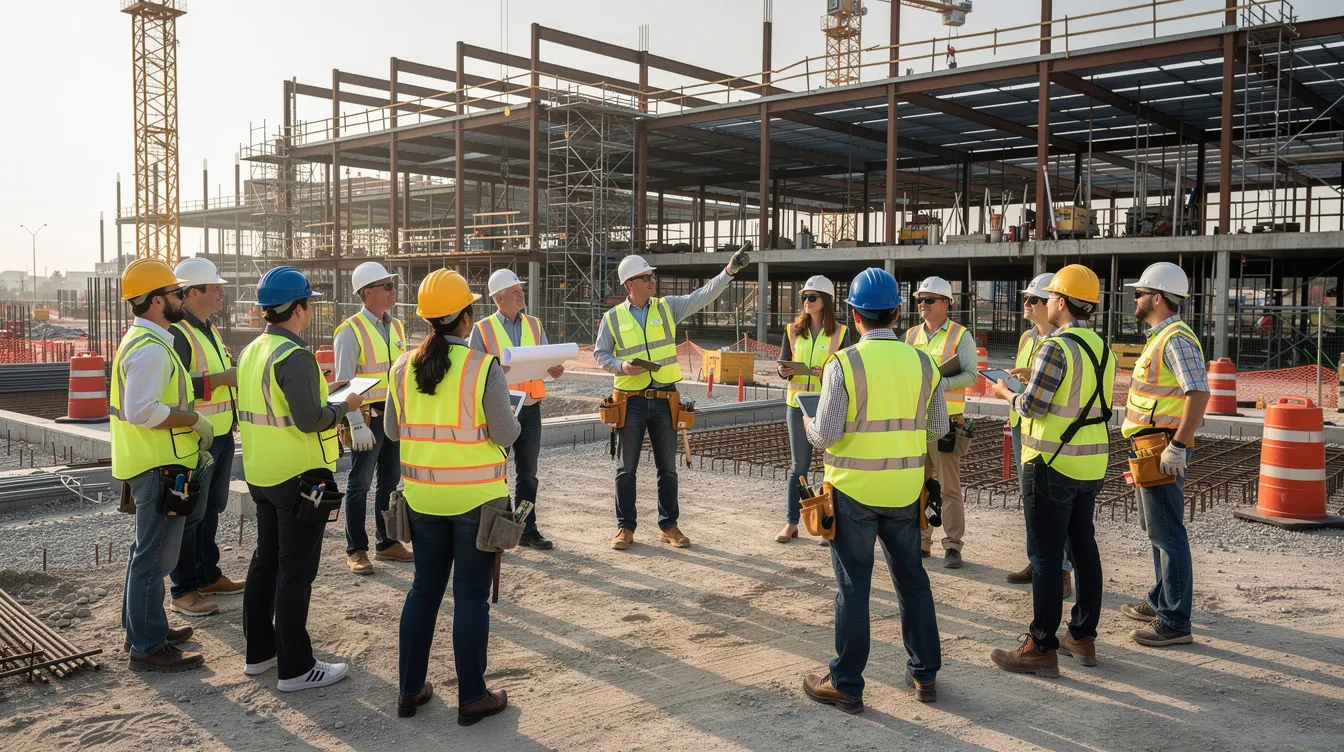
A culture audit looks past posters and values statements to day-to-day behavior on job sites, in trailers, and in project meetings. It examines how the organization actually functions when schedules tighten and problems surface.
Core dimensions to review:
Over-reliance on a few “hero” superintendents, or a pattern of crews working around procedures to meet deadlines, can be signs that the underlying culture needs attention. A pulse survey may miss those patterns. A triangulated audit is more likely to catch them.
Psychological safety in construction is whether apprentices, operators, and foremen feel safe stopping work, asking questions, or admitting uncertainty without fear of punishment. It is one of the clearest tests of whether safety expectations function in the field or only exist on paper.
When speak-up culture is present on a construction project, you are more likely to hear questions during pre-task planning, open discussion of near misses, and concerns raised before a mistake or hazard grows. Crews need room to talk honestly about pressure, confusion, and changing site conditions. Without that, the organization loses visibility into real risk.
Contrast that with a low-trust environment: people avoid raising issues, blame follows every incident, and only senior voices carry weight. Crews interpret their leaders’ reactions to bad news as the real policy, regardless of what the handbook says. A superintendent who dismisses a near-miss report in front of the crew sends a message no safety poster can undo.
A supportive work environment also matters when workers face stress, fatigue, or other conditions that can affect attention and judgment. ABC Rocky Mountain’s resources on mental health in construction safety can complement culture work by helping leaders normalize conversations about strain, pressure, and readiness for work.
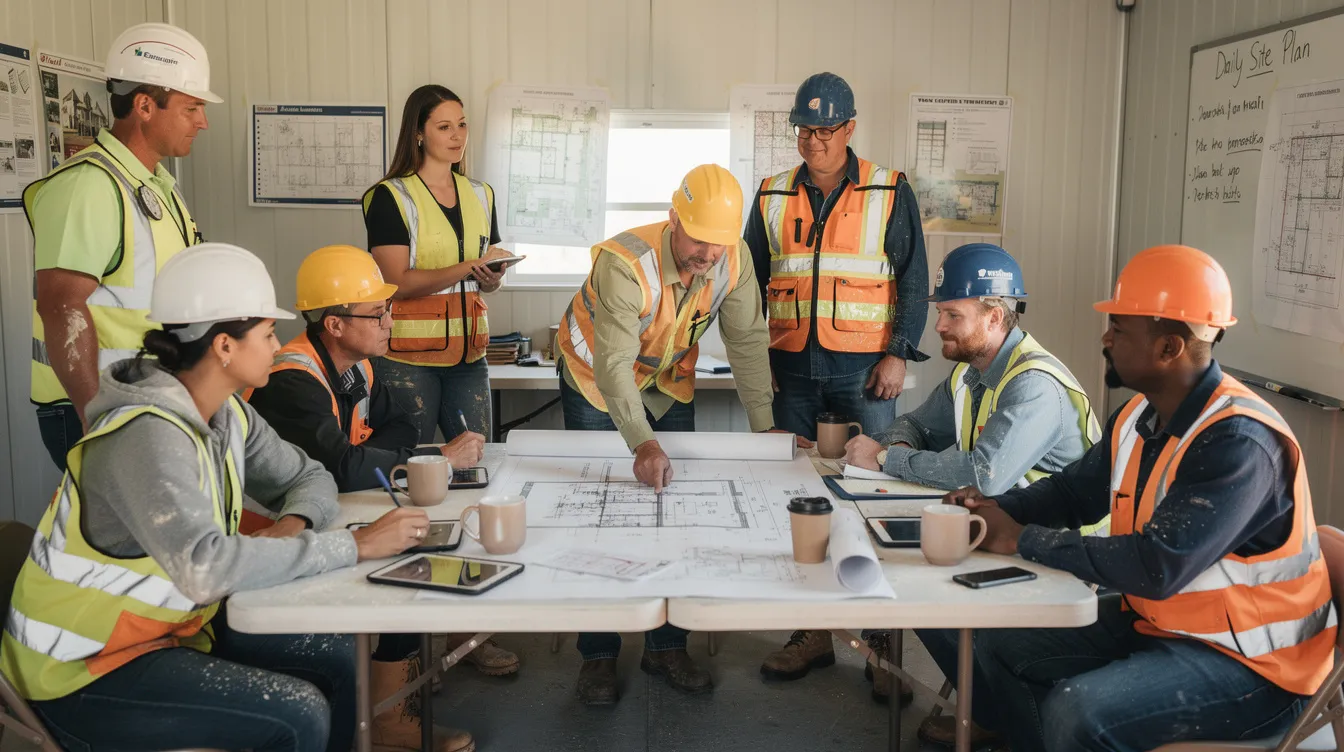
OSHA’s worker-participation guidance is direct: workers should not experience retaliation when they raise safety and health concerns, report injuries, illnesses, and hazards, participate in the program, or exercise safety and health rights. OSHA’s anti-retaliation guidance also advises employers to foster an organizational culture that values raising concerns about workplace conditions.
For construction leaders, that means culture is not separate from safety management. If workers do not trust the reporting environment, hazard identification weakens, learning slows down, and supervisors lose the chance to fix problems early.
How Rocky Mountain contractors can translate this into practice:
Leaders should treat OSHA’s guidance as a culture-audit checklist, asking whether employees and crews actually experience these protections in the field.
Project managers, safety directors, and executives can often spot culture problems before they become incidents by watching for patterns on active job sites.
Communication and reporting red flags:
Performance indicators tied to culture:
Retaliation indicators:
Each of these patterns points to a possible culture cause. A crew that stops reporting near misses is not necessarily a crew with no hazards. It may be a crew that has learned reporting is not safe. Leaders in Denver, the Front Range, and Wyoming should use these patterns as starting points for deeper review rather than waiting for a major incident, claim, or compliance action.
You do not need a consulting army. Start with one division, one major construction project, or one superintendent team.
Step 1: Define the scope. Pick a key project in Denver, Northern Colorado, or Wyoming for a six- to eight-week snapshot. One project is enough to test the process before expanding.
Step 2: Gather data from multiple sources. Combine confidential interviews with field leaders and craft professionals, direct observation of meetings and walk-throughs, and a review of incident, near-miss, and turnover data for that project.
Step 3: Ask focused questions. Use six to eight concrete questions:
Step 4: Compare policy to practice. Line up documented policies with what you observe and hear. Capture a short list of gaps instead of writing a long theoretical report.
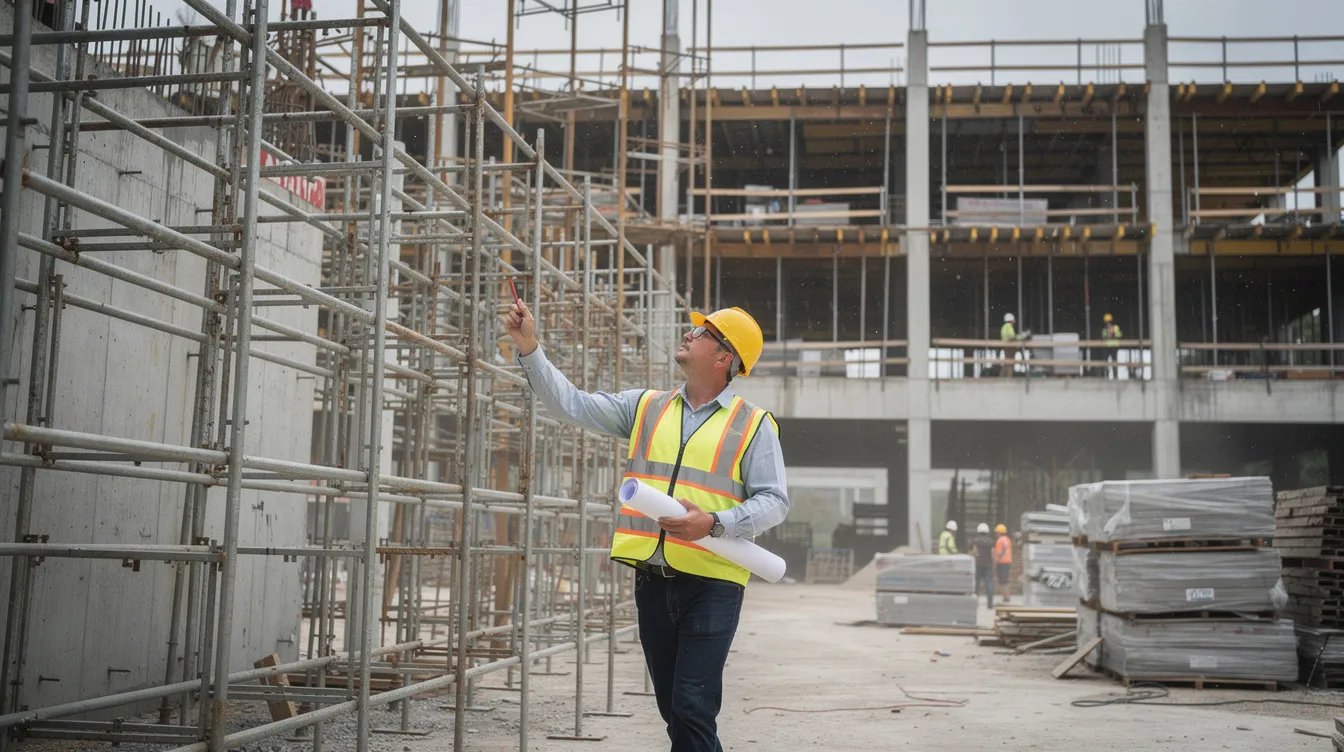
In the construction industry, the culture crews experience comes less from written values and more from how owners, executives, and superintendents behave under pressure. Crews read those signals faster than any memo.
Behaviors that build a strong culture:
Behaviors that damage culture:
A culture audit can include 360-style feedback on supervisory practices, targeted questions about how particular managers handle problems, and direct observation of how decisions are communicated. ABC Rocky Mountain’s peer groups and professional development resources can also help leaders adjust once an audit identifies specific gaps.
The value of a culture audit comes from what leaders do next. Plan for follow-up before you start.
Focus on a handful of high-impact changes rather than a sweeping initiative:
Communicate results back to the workforce transparently. Share the main themes, planned changes, and how progress will be checked. A non-blaming approach signals that the audit was genuine, not a trap.
Connect next steps to existing resources: engage with ABC Rocky Mountain’s Safety Programs hub for STEP benchmarking, join the Safety Peer Group for peer learning, or revisit workforce retention benefits in light of what the audit uncovered. Set a timeline to re-check culture indicators annually or at major project milestones so you can track whether reporting trust and psychological safety are improving.
In Colorado and Wyoming’s competitive labor markets, company culture can influence whether workers stay, leave, or hesitate to speak up once they are hired. Culture audit findings connect directly to common retention drivers:
A strong culture that prioritizes safety, open communication, and leadership consistency can help a merit shop contractor stand out when recruiting apprentices, project engineers, and superintendents. Use audit insights to refine onboarding for new hires so their first project experience matches the company’s stated values. ABC Rocky Mountain’s guidance on workforce retention can support that effort without pulling the article away from its main culture-audit focus.
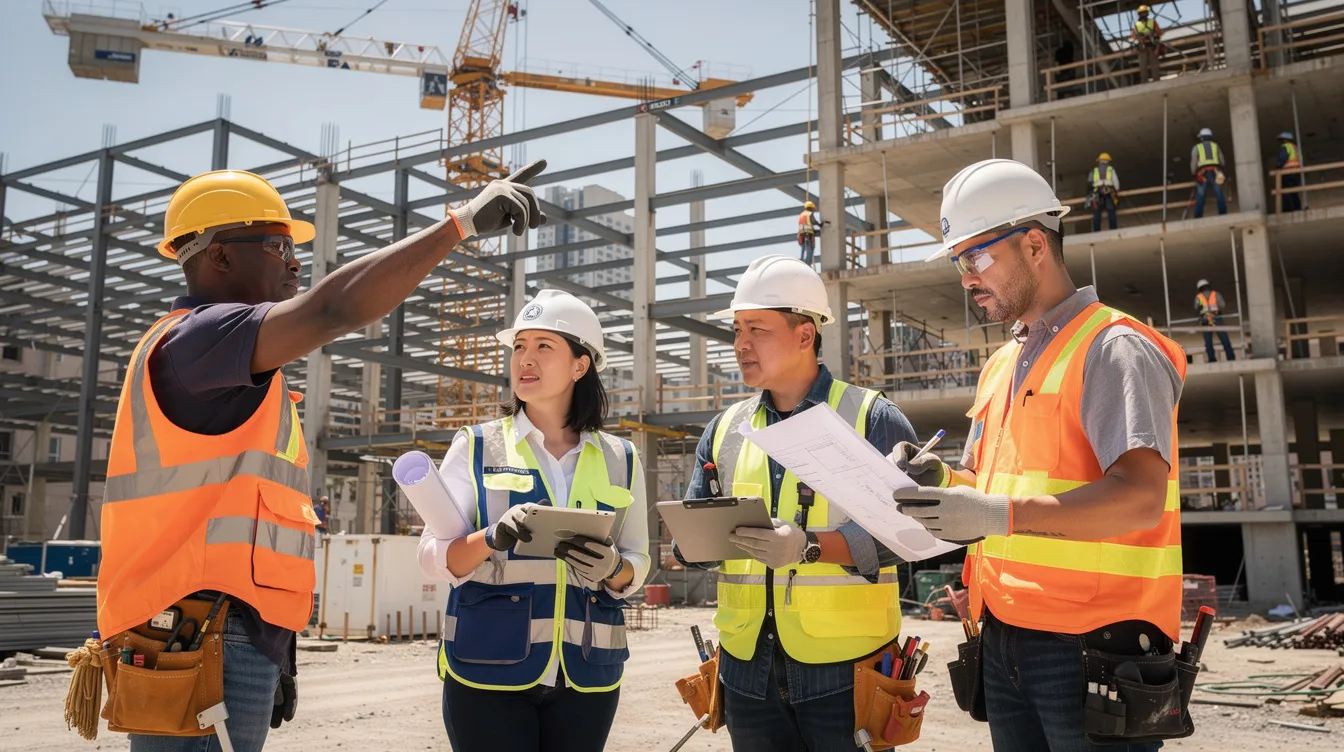
A culture audit is not a one-time event. Position it alongside schedule, cost, and safety tracking as a recurring management practice.
Integrate a brief culture check into project closeout reviews, quarterly safety meetings, or annual strategic planning. Track trends in reporting behavior, near-miss activity, and turnover among key roles as leading indicators of broader business risk.
Document your audit process and follow-up actions. On larger public or federal projects, that discipline can help show that leadership is taking reporting, supervision, and safety systems seriously. For firms across the Front Range and in Wyoming, treating culture metrics with the same seriousness as financial and production data reinforces that construction culture affects company performance, reputation, and resilience.
Companies that embed this discipline do not just reduce the chance of hidden problems. They create a more reliable environment for safety, communication, and execution across projects.
Below are answers to common questions about this topic.
A culture audit combines surveys with confidential interviews, field observations, and data review. It targets specific behaviors such as safety reporting, field supervision styles, and cross-trade communication that typical corporate surveys can miss. The result is usually a more focused action plan for leaders.
Many firms benefit from a light-touch culture review annually, with deeper audits every two to three years or after major growth, leadership changes, or serious incidents. Shorter, project-specific checks at key milestones on large or complex construction projects can also be useful. The commitment to act on findings matters more than a rigid schedule.
The effort should be sponsored by a senior executive such as a president, COO, or safety director to signal importance and ensure follow-through. A small cross-functional team that includes field operations, safety, HR, and project controls can provide a fuller picture of how culture is experienced across the business.
Start with a single pilot construction project or business unit and a short diagnostic focused on speak-up behavior, safety reporting, and supervisor practices. Use a simple set of questions and existing incident and turnover data rather than building a complex tool on day one. Then make one visible improvement based on what the pilot reveals.
Contractors can use findings to guide participation in ABC Rocky Mountain offerings such as the Safety Programs hub for STEP benchmarking, Safety Peer Group discussions, or professional development resources that improve supervision and leadership consistency. Leaders can also connect audit insights to broader workforce and training decisions as needed. Contact ABC Rocky Mountain to discuss which resources best fit your audit results and business goals.


