


The Colorado-Wyoming construction workforce challenge is forcing contractors to think beyond short-term hiring. Across both states, firms still need more reliable ways to move interested students and early-career workers into productive long-term roles. One of the clearest lessons from Construction Executive’s reporting on AEC internships is that internships work best when they are built as intentional talent pipelines, not treated as seasonal extra help. For Colorado and Wyoming contractors, that means designing internships that expose people to the realities of the job, evaluate fit, and create a clean handoff into apprenticeship or craft training.
For ABC Rocky Mountain members, that pipeline matters because the chapter already supports apprenticeship and workforce development across Colorado and Wyoming through education resources, CITC-connected craft training in Colorado, and the Wyoming Electrical Apprenticeship Education Program. A well-run internship should complement those pathways rather than operate as a disconnected summer program.
Internships can help contractors solve a specific problem: the gap between someone who is curious about construction and someone ready to commit to a trade pathway. That gap is where many potential workers are lost.
Used well, internships give employers a lower-risk way to evaluate attendance, safety habits, coachability, and basic craft aptitude before offering longer-term training. They also give students and career starters a more realistic picture of what construction work actually looks like in the field.
That matters in both Colorado and Wyoming, where contractors often compete for the same limited talent pool while also trying to build future foremen, superintendents, and journey-level craft professionals from within.
A construction internship is not a shortcut apprenticeship. It is an early-stage learning and evaluation tool. A useful program should accomplish three things.
First, it should introduce the intern to real jobsite expectations. That includes punctuality, PPE use, communication, documentation habits, and the pace of fieldwork.
Second, it should build supervised exposure to a specific trade or construction function. Interns should leave with a clearer understanding of whether they are interested in electrical, plumbing, carpentry, sheet metal, project support, or another path.
Third, it should support a next-step decision. At the end of the internship, the contractor should know whether to invite the person into an apprenticeship, encourage additional training, or conclude that the fit is not right.
If the program does none of those things, it may create activity without building a workforce pipeline.
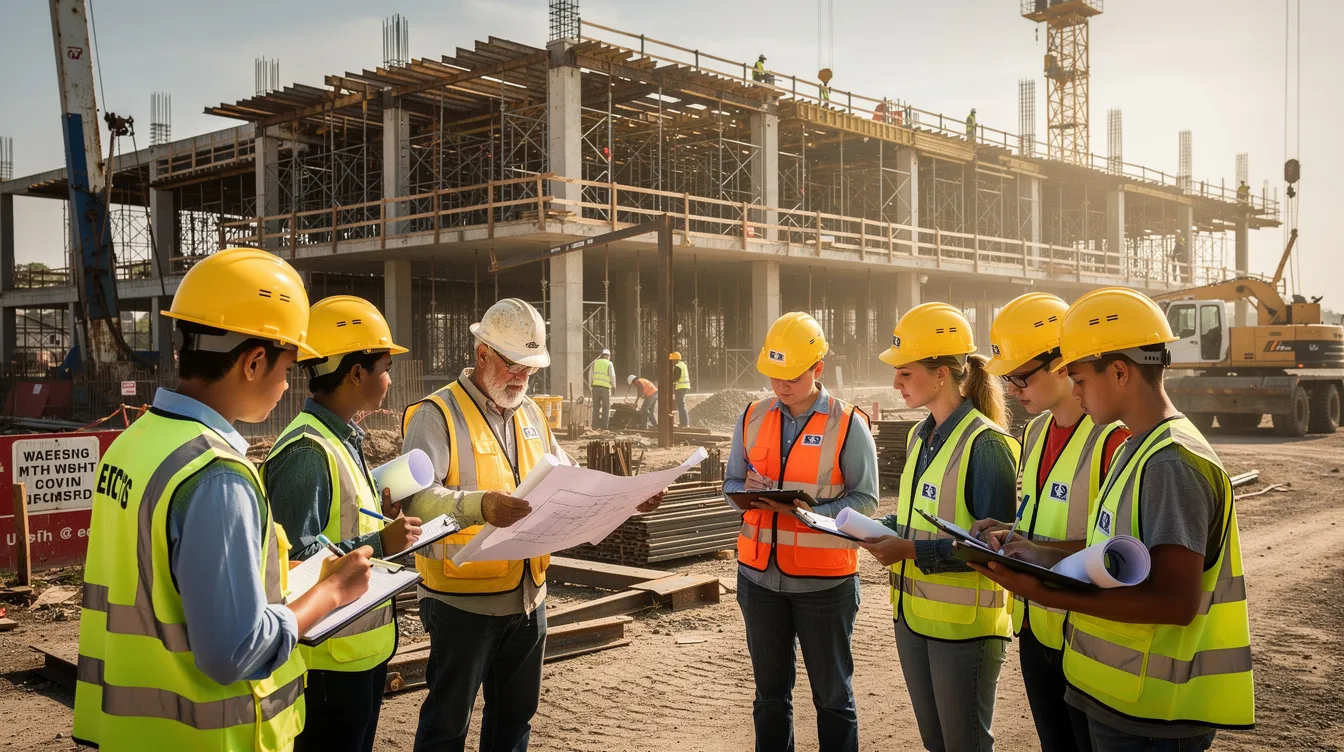
One of the easiest ways to improve an internship is to define what the intern should learn before the first day begins. That does not require turning the program into a full classroom curriculum. It does require clarity.
For example, an electrical internship might include:
A carpentry internship might instead focus on:
The point is not to make interns proficient in one season. The point is to make the learning objectives visible, measurable, and relevant to the trade.
Internships are most useful when contractors are honest about what they are and what they are not. Interns can observe, assist, and complete basic supervised tasks. They should not be treated as substitutes for fully productive craft labor.
That distinction matters for training quality and for program credibility. If an intern spends the entire experience doing errands or, on the other extreme, is expected to carry apprentice-level production without proper support, the employer has not built a real pipeline. It has built a poor first impression.
Construction Executive’s internship coverage emphasized intentional design. In practice, that means balancing exposure with structure: enough hands-on experience to test interest and aptitude, but not so much responsibility that the internship becomes a mislabeled labor solution.
Good internships expose people to more than isolated tasks. They also help interns understand how work fits into the larger project.
Technical basics might include safe tool handling, material recognition, introductory plan reading, housekeeping expectations, and simple supervised installation support.
Jobsite context should include how trades coordinate, why schedule sequencing matters, how quality checks affect rework, and why safety expectations are nonnegotiable.
This bigger-picture view helps interns decide whether they can see themselves in construction long term. It also improves the employer’s ability to spot people who are likely to succeed in apprenticeship, where understanding systems and coordination becomes more important over time.
Every internship should begin with documented safety orientation and close supervision appropriate to the tasks assigned. Contractors may also choose to require additional training, such as OSHA 10, owner-specific orientation, or company safety modules, depending on the project and role.
The key editorial correction here is simple: safety training is essential, but contractors should not describe OSHA 10 as a universal federal requirement for every intern unless a specific jurisdiction, owner, or project requirement applies.
For ABC Rocky Mountain members, this is also a natural place to connect internships to broader safety culture. If your company already emphasizes structured safety expectations, internships should reinforce that standard from day one.
The quality of the mentor often determines the quality of the internship. A strong mentor does more than answer questions. The mentor models pace, professionalism, safety habits, and how to receive feedback on a live jobsite.
When assigning mentors, contractors should prioritize people who can teach patiently and consistently, not just those who produce quickly. A technically strong employee who has no time or interest in coaching may not be the right fit for this role.
A practical mentor structure usually includes:
This is one of the clearest differences between a pipeline internship and an improvised summer job.

Field supervisors do not need a complicated scorecard. They do need a consistent one. Weekly evaluations should focus on the traits most likely to predict success in apprenticeship or entry-level craft training.
That process gives contractors a more defensible basis for deciding who should be encouraged toward apprenticeship and who may need a different path.
Wyoming contractors have a current funding angle that makes structured internships especially timely. The Wyoming Department of Workforce Services says its Internship Grants program supports structured hands-on learning experiences and allows businesses to receive wage reimbursement of up to $18 per hour for intern wages with proper documentation. The public program page also says businesses can sponsor up to six internships per fiscal year, while Registered Apprenticeship Programs may sponsor up to 10, and each intern must have a mentor with relevant experience. The internship period may not exceed six months, with limited amendment options.
Because grant terms can change, contractors should review the current Wyoming DWS Internship Grants page before planning budgets or making recruiting promises. But the broader takeaway is clear: Wyoming employers who want to pilot a more structured internship model have a verified public program worth reviewing now.
A practical Wyoming approach:
Colorado contractors should focus less on grant strategy and more on pathway clarity. If the goal is to move promising interns into long-term training, the internship should visibly connect to the next step.
For ABC Rocky Mountain members, that can mean aligning internship design with the apprenticeship and craft-training resources available through the chapter’s education programs. A contractor does not need to promise automatic placement. But the company should be able to explain what comes next for a strong candidate: apprenticeship, craft training, another internship term if appropriate, or a direct entry-level role with structured development.
Colorado firms operating in busy Front Range markets should also be realistic about supervisor capacity. If foremen and superintendents do not have time to coach interns properly, the program should start smaller rather than scale badly.
Internships work best when they are positioned as the front end of a longer workforce system. They are not a replacement for apprenticeship. They are a screening, exposure, and recruiting tool that can strengthen apprenticeship enrollment and improve fit.
That matters for ABC Rocky Mountain because the chapter’s education ecosystem already includes craft and apprenticeship pathways in multiple trades, and ABC National describes its broader apprenticeship network as including hundreds of government-registered programs as well as craft, safety, and management education resources.
For contractors, the practical question is this: after the internship ends, where does a promising person go? If the answer is unclear, the pipeline is incomplete.
Do not start by trying to build a large regional internship initiative. Start with one role, one mentor, and one pathway.
That approach gives contractors a manageable way to test whether internships can become a real part of their workforce system.
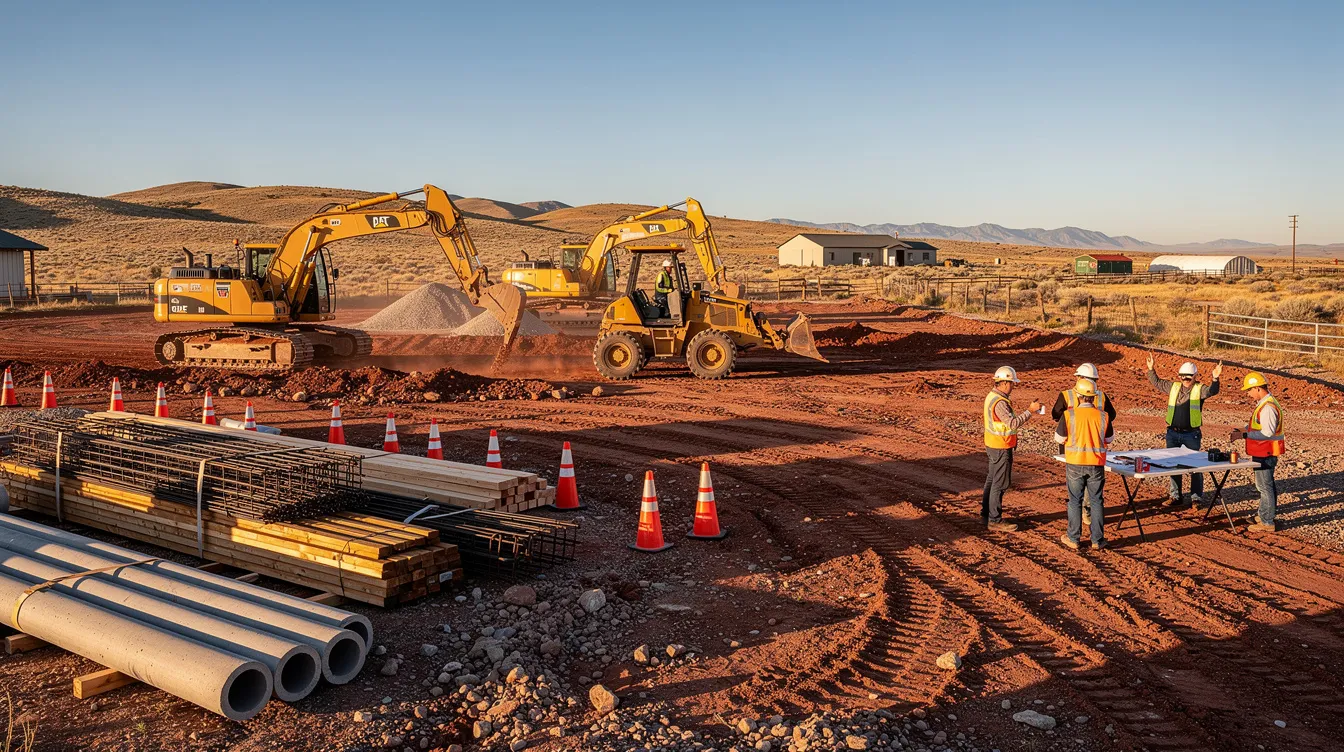
ABC Rocky Mountain positions workforce development and education as part of the member advantage it provides across Colorado and Wyoming. Contractors that want internships to feed longer-term training should start by reviewing the chapter’s education resources and its broader chapter information on workforce development and committees.
If your company is building a two-state talent pipeline, internships should not stand alone. They should connect to the training, safety expectations, and advancement pathways that already support your workforce strategy.
The strongest internship programs do not try to solve every labor problem in one season. They do something more practical: they help contractors identify promising people early, expose them to real construction work, and move the right candidates into the next stage of development.
That is the opportunity for the Colorado-Wyoming construction workforce today. Treat internships as a structured entry point, not a summer experiment. If you build the handoff to apprenticeship or craft training before the first intern arrives, you give the program a much better chance to strengthen your future workforce instead of simply filling a short-term gap.


