


Change order management in construction becomes more important when future work is less certain and current jobs must carry more of the company’s margin protection.
ABC’s August 11, 2026 release reported a Construction Backlog Indicator of 8.0 months for July 2026, down 0.8 months from both June 2026 and July 2025. ABC also said it conducted its member survey from July 20 through August 4. That does not prove every Colorado or Wyoming market is weakening in the same way, but it does support a more disciplined operating posture on active work.
Backlog measures work under contract but not yet performed. It does not guarantee clean execution, easy staffing, or protected profitability. For contractors across Colorado and Wyoming, the practical question is straightforward: where are unresolved changes, directive work, or field conditions quietly putting margin at risk?
A change order modifies the original construction contract. If you don’t document and escalate added scope, changed conditions, or schedule impacts promptly, the issue can spread beyond paperwork into billing delays, crew disruption, and weaker forecasting.
The safest response to a softer backlog is not panic. It is tighter control over changed work already happening in the field.
For commercial contractors in Denver, the Front Range, Northern Colorado, Colorado Springs, and Wyoming, leadership should focus on three questions:
Colorado’s June 2026 labor data reminds us that a softer backlog does not automatically make active projects easier to staff. Bureau of Labor Statistics data showed 189,000 construction jobs in the state, with a 3.9% unemployment rate.
Wyoming should still be assessed separately. Its smaller and more dispersed labor pool can make even modest scope changes more expensive when they trigger remobilization, added travel, delayed procurement, or schedule resets. That is an operating observation, not a statewide statistical claim.
In both states, unresolved changes are rarely just contract issues. They can quickly become production and staffing issues, too.
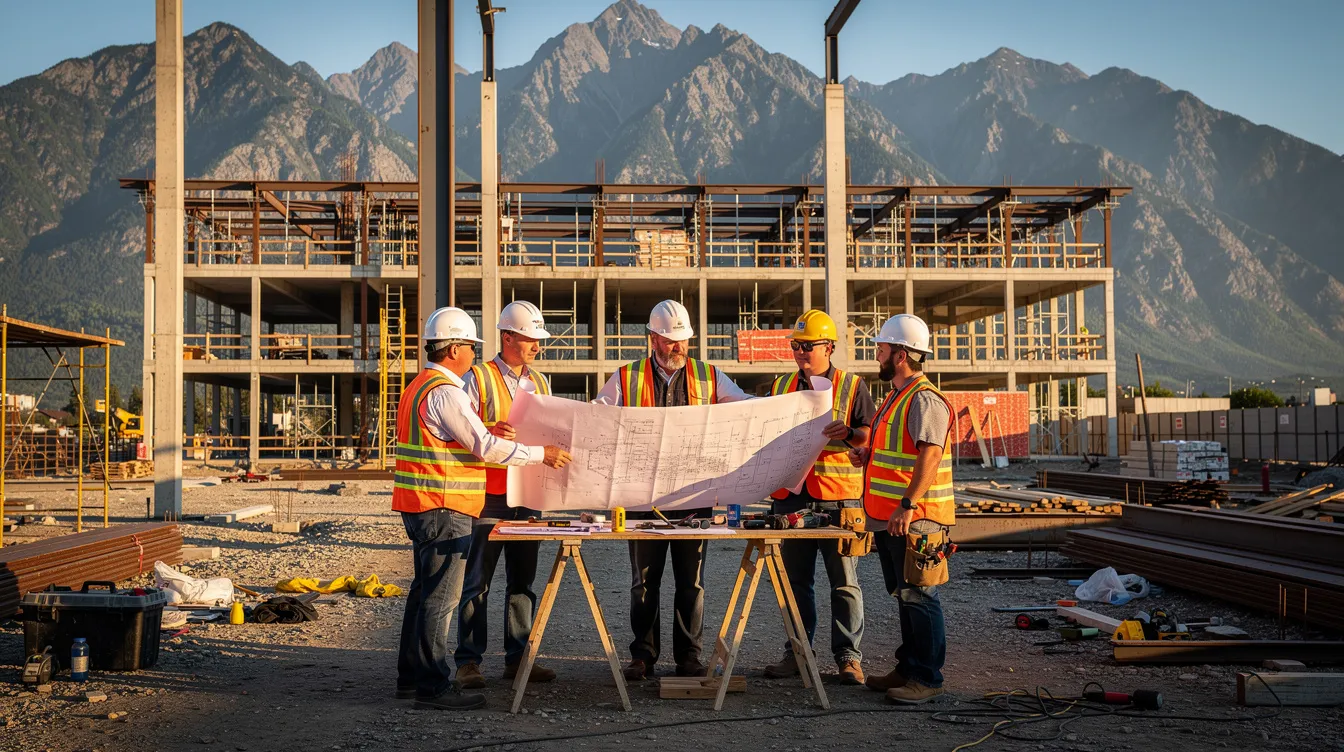
The most useful field-control question is not whether teams should document changes. They should. The more valuable question is which issues need same-day escalation from the field to project leadership.
| Situation | Main risk | Escalate same day? | First move |
|---|---|---|---|
| Owner-directed added scope | Work starts before price or time is resolved | Yes | Send written notice and begin separate labor and material tracking |
| Field condition differs from plans or specs | Late notice and responsibility dispute | Yes | Document with photos, daily report notes, marked-up drawings, and RFI |
| Change affects critical-path work | Schedule slippage and stacked trades | Yes | Record likely sequencing impact before crews are resequenced |
| Directive work proceeds without settled terms | Unbilled cost growth | Yes | Open a separate cost code or force-account record immediately |
| Many small changes from one source | Margin erosion through fragmentation | Usually | Bundle them in a live log and raise them in the next owner meeting |
| Minor issue with no current cost or time impact | Administrative clutter | Usually no | Log and monitor it, then escalate only if impacts develop |
This matrix gives superintendents, project managers, and executives a shared decision tool for identifying which changes threaten margin fastest.
Same-day field capture is one of the simplest controls in effective change order management. Photos, marked-up drawings, daily reports, and clear notes about who directed the change are often more useful than a longer reconstruction later.
If labor, material, equipment, or subcontractor costs tied to a change are not tracked separately, the contractor’s commercial position weakens quickly. Teams do not need a final negotiated number on day one, but they do need a clean record.
Leadership should know which projects carry unresolved change exposure, how old those items are, and whether directive work is moving faster than formal approval. A short, disciplined review is usually more useful than a long meeting.
For clause-level preparation, see the construction contract review checklist. For pre-award exposure that can later shape change pressure, the chapter’s article on procurement risk management is a useful companion.
Consider a hypothetical specialty contractor on a Front Range commercial project. Midway through installation, the owner team directs a layout revision that changes the sequence and requires rework. If the field team treats it as a minor instruction and proceeds without prompt notice, separate tracking, or marked-up documentation, the project manager may later have to reconstruct the event after costs are already buried in base production.
Now reverse the response. The superintendent documents the direction that day, the project manager sends notice within the contract timeline, accounting separates the cost record, and the issue is raised in the next owner meeting. The change may still be negotiated, but the contractor is working from current facts rather than incomplete recollection.
Better change management does not guarantee recovery. It does create a cleaner operating and commercial position while the facts are still fresh.
If this review shows repeat slippage in notice, documentation, or cost separation, the next step is not a longer meeting. It is a tighter internal process. In a more competitive market, protecting value on active work is often the fastest operational win available.
For related staffing context, see commercial construction management in a tight labor market.


